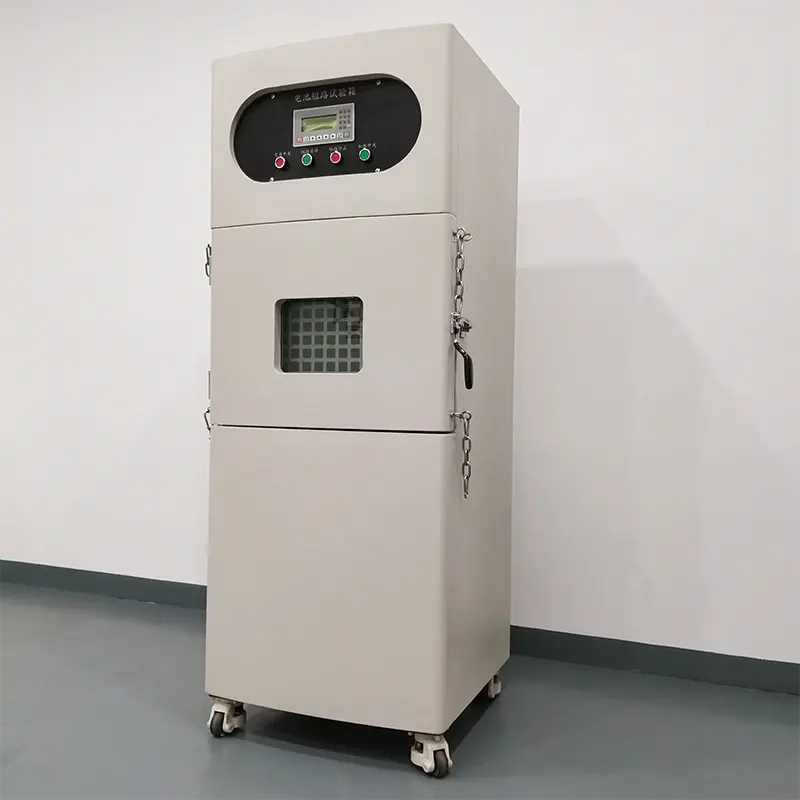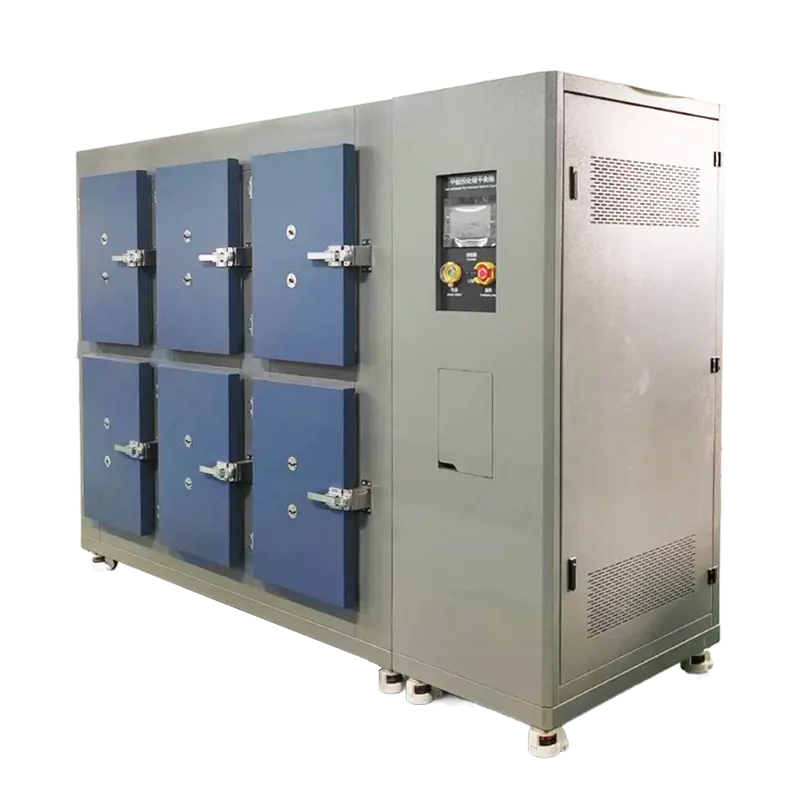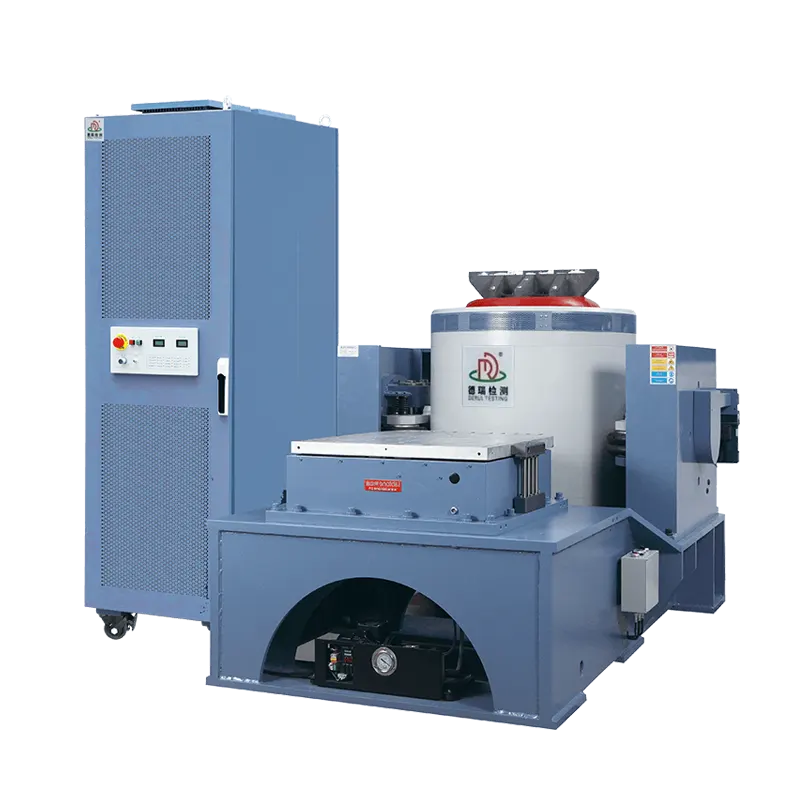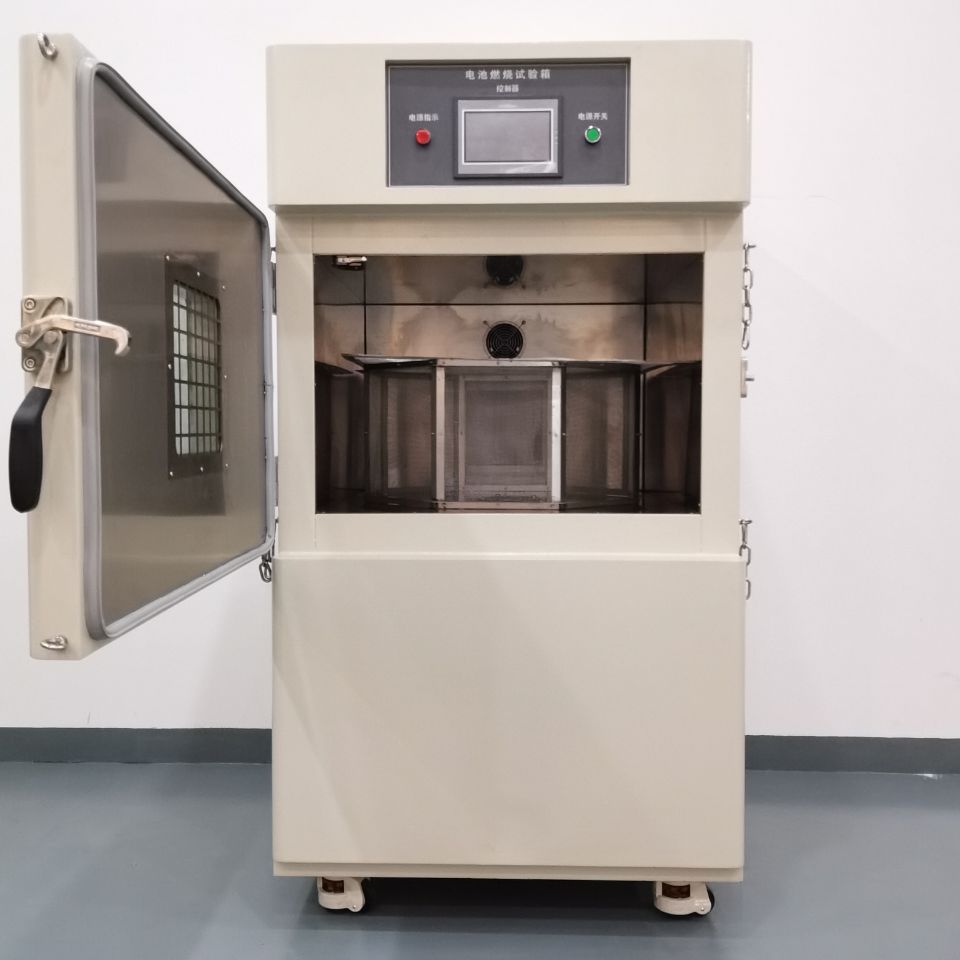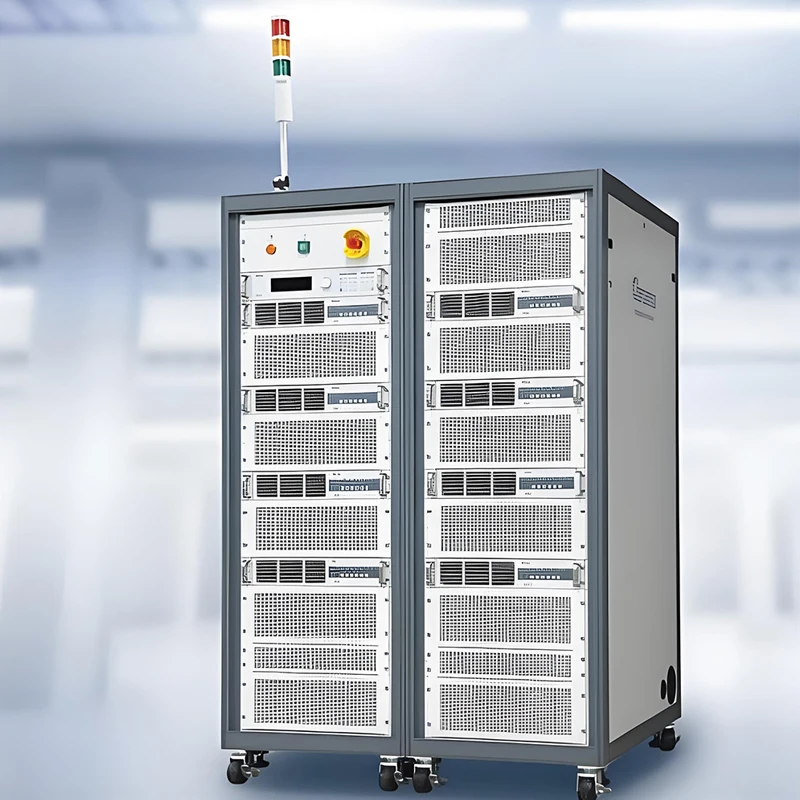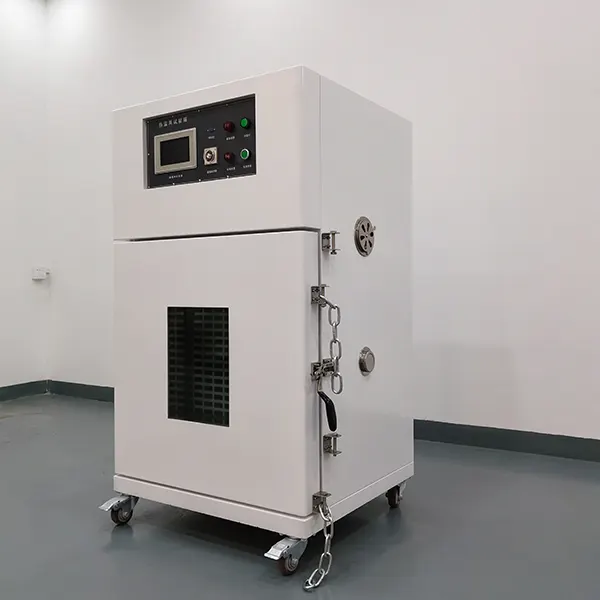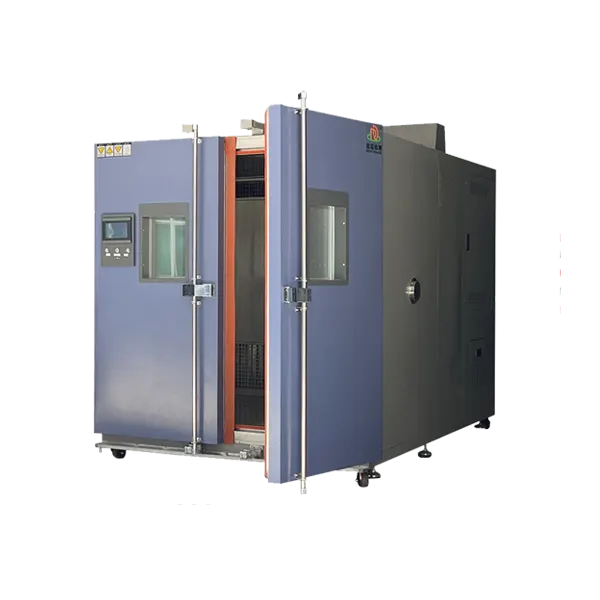
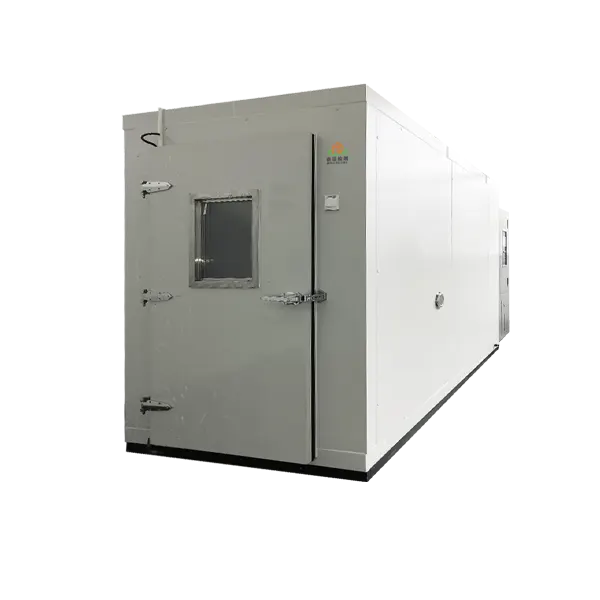
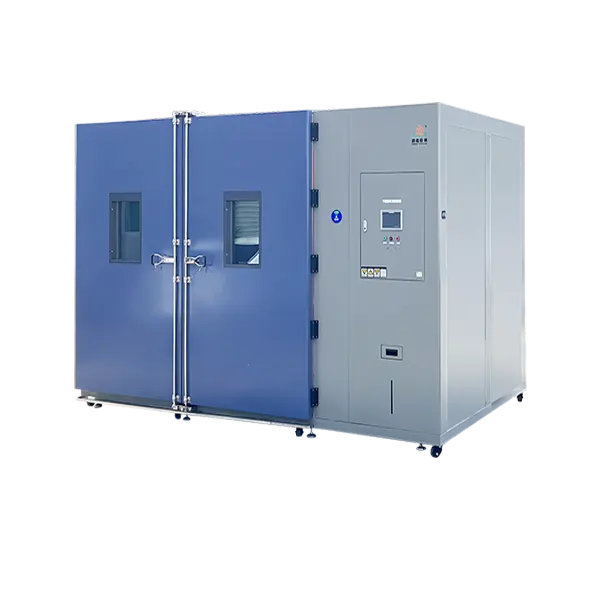
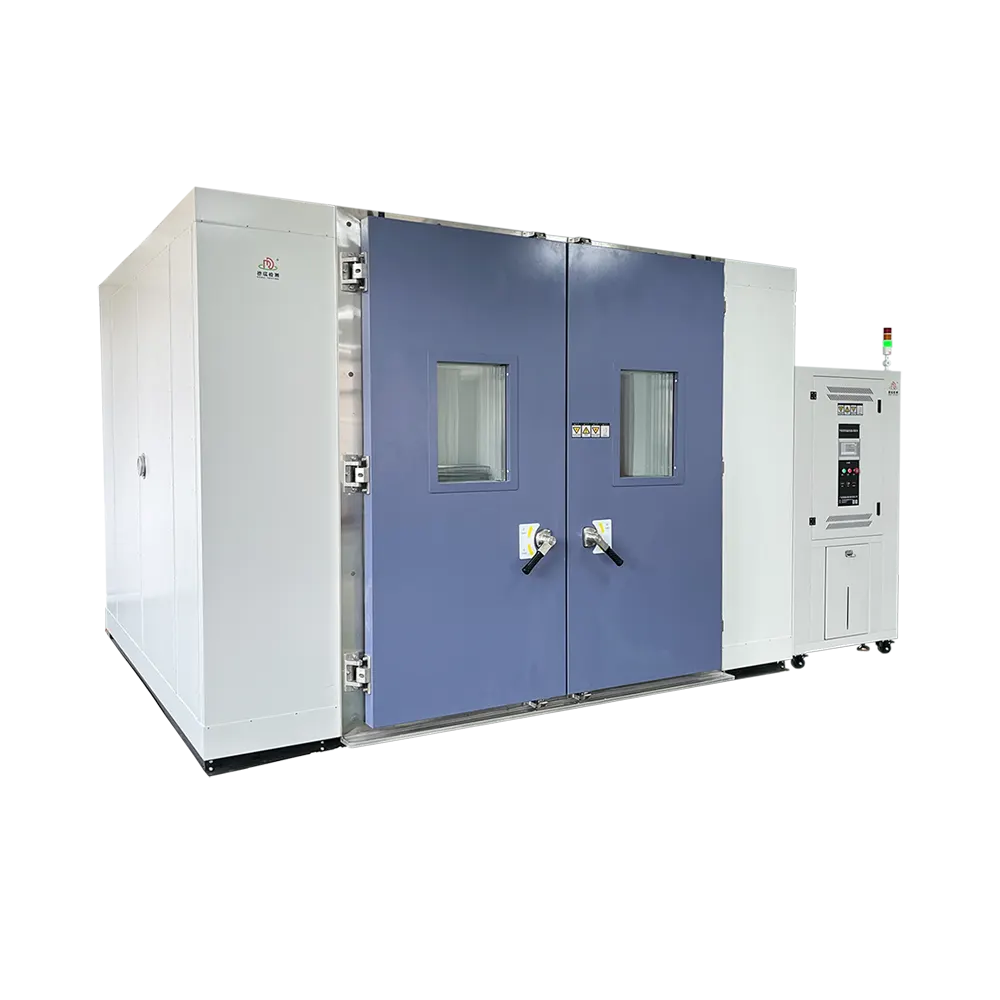
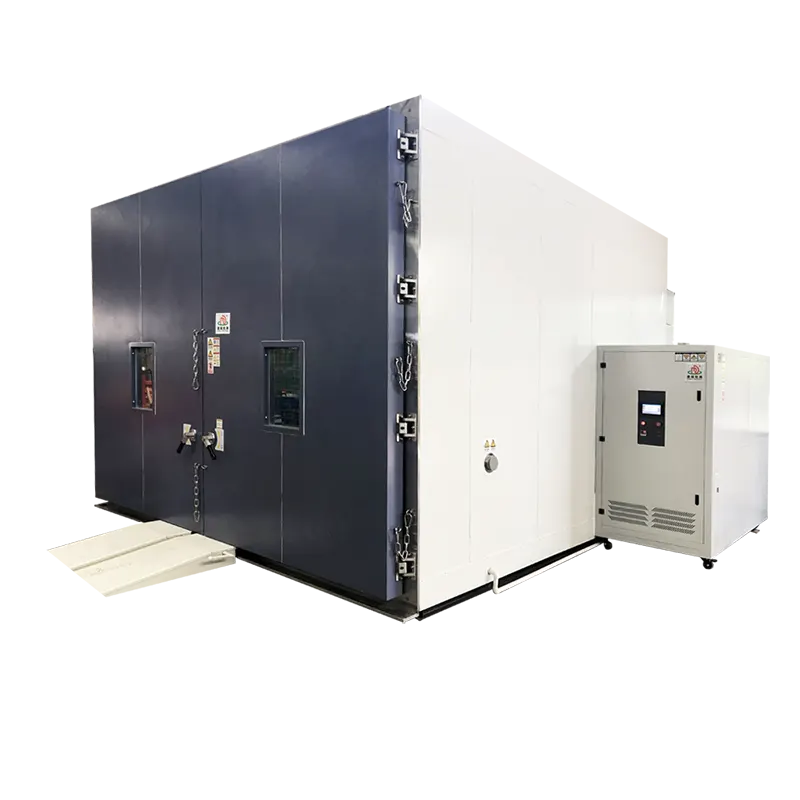
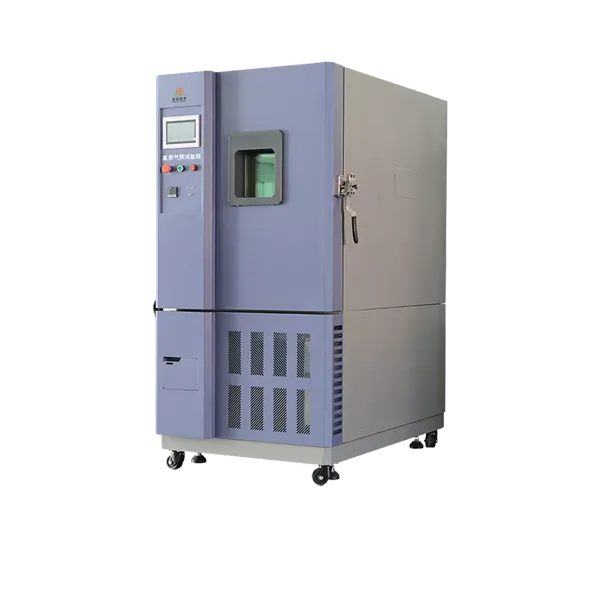
DR-H317 Battery Module Impact Testing Machine
Plan a controlled impact test around the module, fixture and required mechanical event—not a generic promise to reproduce every vehicle crash. DERUI's published product identifies the DR-H317 model; the final impact mechanism, operating envelope and data channels must be confirmed on its approved drawing and FAT plan.
Specify the Impact Event Before Selecting the Machine
A useful impact result depends on the actual loading path. State whether an impactor strikes a mounted module, a specimen is dropped onto a target, or a shock pulse is applied through a fixture. The waveform, direction, contact geometry and restraint determine what damage the test can reveal. Without them, a headline impact speed or energy number is not enough to select equipment.
Specimen envelope
Module dimensions, mass, chemistry, energy, state of charge and center of gravity.
Mechanical input
Impact type, direction, striker, target, speed or energy, pulse and repeat count.
Result evidence
Force, acceleration, displacement, voltage, temperature, video and post-test criteria—as required by the method.
What Is Confirmed, and What Needs a Technical Agreement
| Item | Current public evidence | Required confirmation |
|---|---|---|
| Model and positioning | Product page identifies DR-H317 as a battery-module impact testing machine | Manufacturer drawing and actual device photos |
| Impact architecture | Current copy describes several different modes without a verified mechanism | Drive principle, impactor, specimen restraint and test sequence |
| Speed, height and energy | Page contains inconsistent claims: 0.2–2 m versus 0.1–2 m drop height, and separate 10 m/s / 500 J figures | Signed range, relationship between speed/height/energy and test load |
| Specimen capacity | Page mentions 100 kg and “up to 1 m³” without a validated fixture envelope | Mass limit, dimensions, mounting points and center-of-gravity limits |
| Control and data | Touchscreen, force/acceleration recording and video are described in general copy | Installed sensors, sampling rate, export file and calibration chain |
| Safety system | Guarding, emergency stop and interlocks are claimed but not documented in a model-specific list | Safety drawing, access logic, containment design and site response plan |
Choose the Correct Mechanical Test
| Requested exposure | What must be defined | Equipment decision |
|---|---|---|
| Localized impact | Impactor shape/mass, contact area, energy or velocity, direction and specimen fixture | Review DR-H317 after its impact mechanism is confirmed |
| Transportation shock | Acceleration pulse, duration, axes, mounting and pulse tolerance | Confirm whether a dedicated shock machine is required |
| Free-fall drop | Drop height, release orientation, impact surface and specimen mass | Use a documented drop mechanism, not a presumed DR-H317 mode |
| Compression or crush | Platen, force, travel, rate and stop condition | Compare a dedicated battery crush tester |
| Cell impact or forced short | Cell geometry, method-specific tooling and observation | Review separate cell impact or forced-short equipment |
Standards: Match the Sample and Procedure
The old page names UN 38.3, UL 1642 and IEC 62133 as if DR-H317 automatically certifies an EV or ESS module. That is not established. These documents address different specimen types and procedures; for example, UN 38.3 separates transport shock from its impact/crush method, while IEC 62133-2 is scoped to portable sealed lithium cells and batteries. Ask the laboratory to identify the exact edition, clause, specimen and acceptance criteria before evaluating equipment fit.
Identify the clause
Record standard edition and method name—not only a standard logo.
Translate to hardware
Check loading mechanism, specimen support, sensor channels and safety envelope.
Witness the result
Agree calibration, run sheet, raw data, video and pass/fail record in FAT.
Make the Quotation Engineering-Ready
Send one representative test plan and a module drawing. The supplier should return a dimensioned fixture layout, proposed impact architecture, available ranges with measurement conditions, sensor and software list, facility requirements and a clear included-versus-optional scope. This gives the buyer a way to compare the DR-H317 with alternative impact or shock equipment before purchase.
Module information
Mass, dimensions, energy, SOC, mounting points, lifting method and expected failure modes.
Test information
Method/edition, direction, impactor, waveform/energy, repetition and acceptance criteria.
Facility information
Power, ventilation, exclusion zone, fire response, exhaust and remote observation needs.
Recommended FAT Evidence
| Check | Witnessed evidence |
|---|---|
| Mechanical setup | Approved drawing, fixture fit, impactor geometry, travel and specimen restraint |
| Performance | Range and repeatability at stated specimen/load conditions with calibrated reference sensors |
| Data | Raw waveform, timestamp, channel identity, export sample and report template |
| Safety | Guard/interlock and emergency-stop demonstration; post-event access and fire-response procedure |
| Documents | Manual, electrical and mechanical drawings, calibration certificates and FAT report |
Frequently Asked Questions
Is DR-H317 a drop, crush and puncture tester in one machine?
The public page mixes these methods but does not provide a model-specific mechanism proving all are included. Confirm each requested mode separately in the quotation.
Can it test a 100 kg module?
The old copy makes that claim without a verified fixture drawing or load condition. Obtain a signed mass and center-of-gravity limit first.
Does it certify compliance with UN 38.3 or UL 1642?
No device name alone can establish specimen compliance. The exact method, sample type, calibrated setup and qualified evaluation must be documented.
What data should the equipment record?
That depends on the method. Specify needed force, acceleration, displacement, electrical and temperature signals, sampling and synchronized video in the approved scope.
Request a DR-H317 Method Review
Send the module drawing and target impact procedure. Ask DERUI to show the actual device, confirm the mechanism and provide a measurable quotation and FAT checklist.
Include with your inquiry
- Module mass, dimensions and SOC
- Exact standard clause or test plan
- Impact input and observation needs
- Site safety and utility conditions