Piso 1, No. 3, Avenida Shugang, Vila Hongmei, Cidade de Dongguan, Província de Guangdong, China

Fabricante de câmaras de teste ambiental há 20 anosMais de 3000 entregas a clientes em todo o mundo           Email: shirley@deruitest.com
WhatsApp Consultation:+86 135 2795 8363

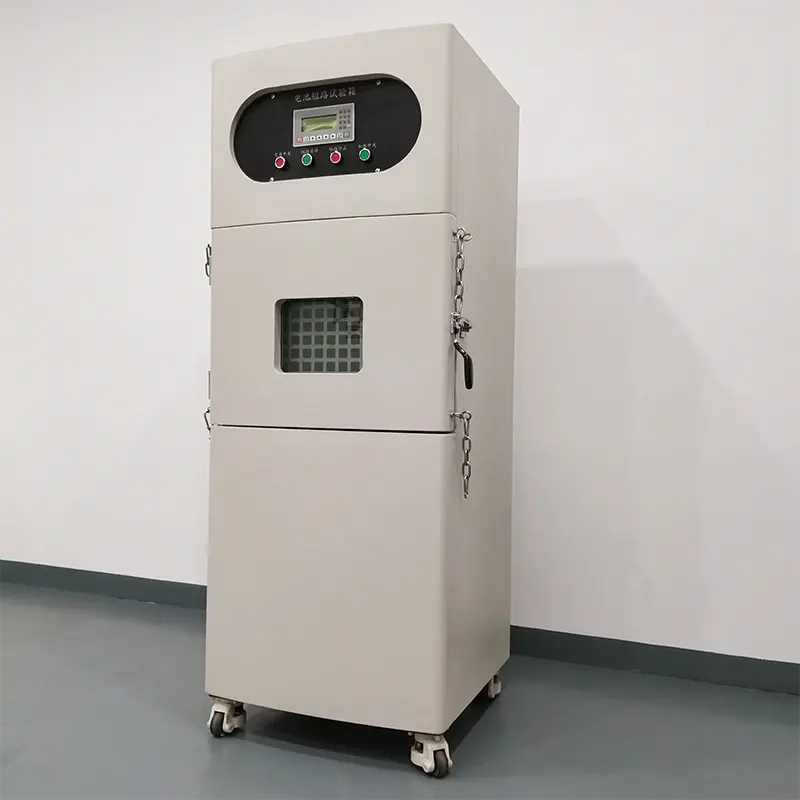
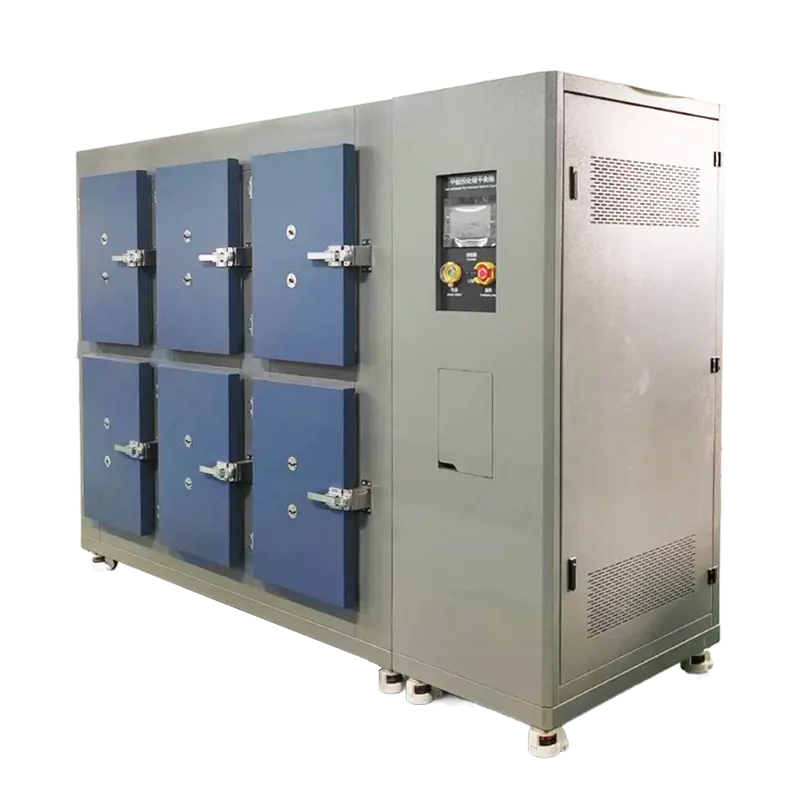
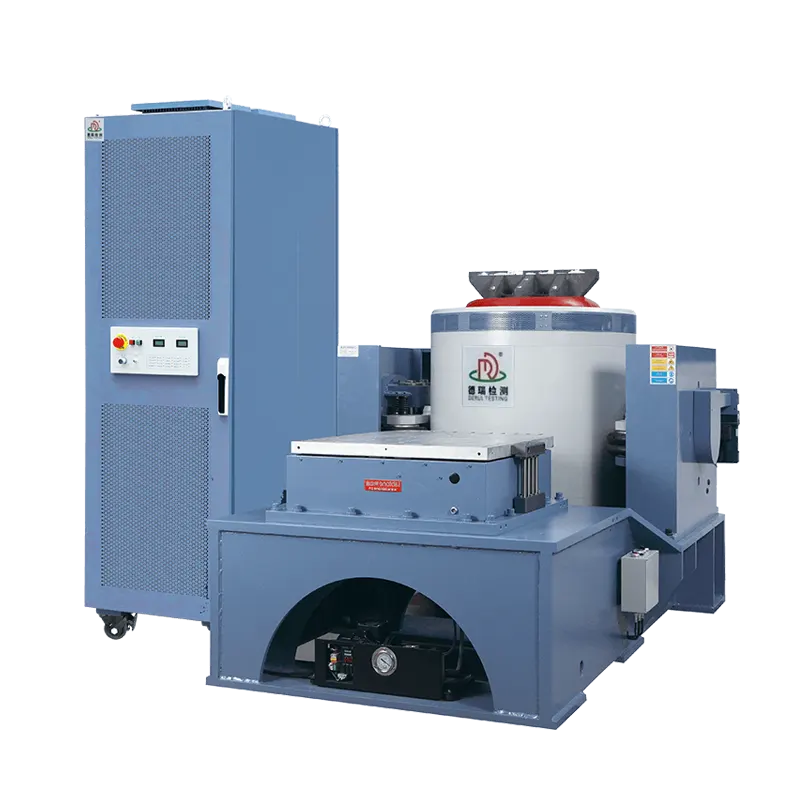
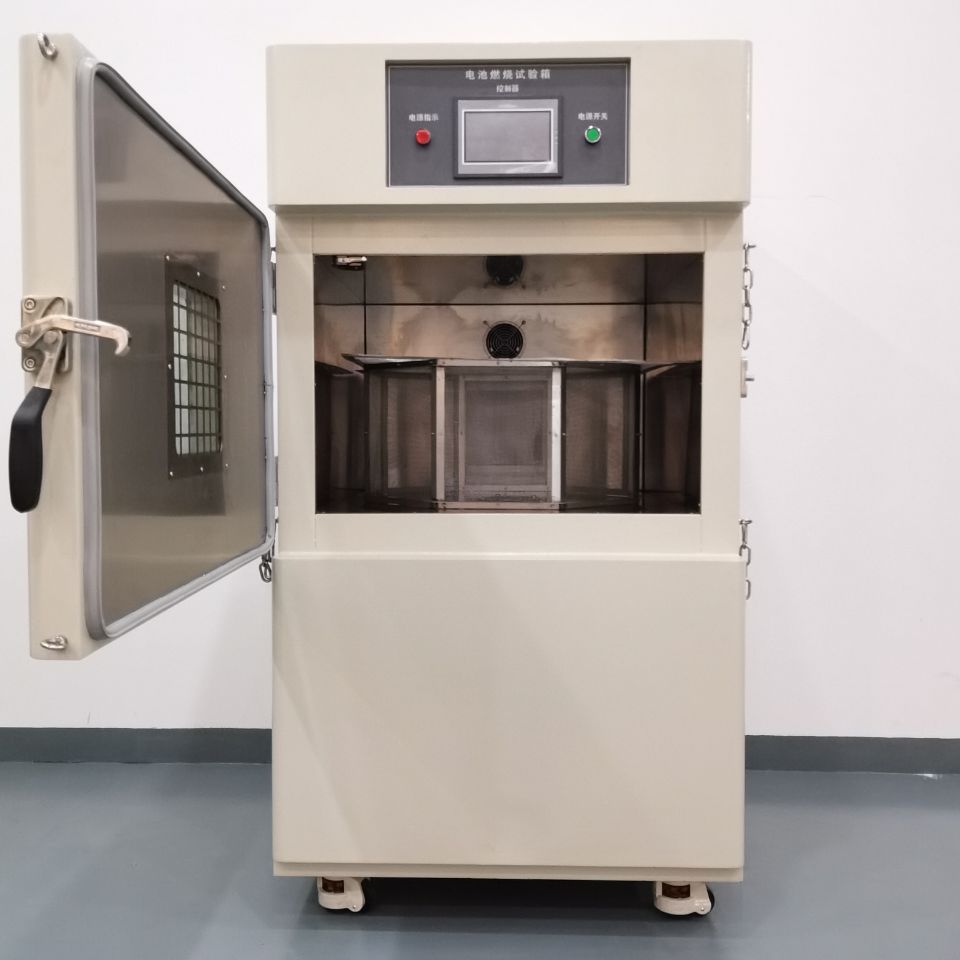
Máquina de Impacto Acelerada de Módulos de Bateria com Simulação Precisa de Choque

A DERUI DR-H317 battery module impact testing machine is presented for controlled mechanical-impact evaluation. Select the impact mechanism, fixture, specimen limit and measurement channels against the exact test plan; current public speed, load and energy figures still require a model-specific datasheet.

Modelo DR-H317
Foco do Teste Method-defined battery-module mechanical impact
Specimen Scope Module size, mass and restraint require approved drawing
Impact Range Velocity, energy and stroke/height not yet verified for DR-H317
Data & Safety Specify sensors, sampling, guarding and emergency response per project
Before Quotation Send module drawing, exact method, loading direction and FAT criteria
Seguro e fiável
bem construído
Garantia de qualidade
personalização
MensagemWhatsApp
Número de Linha Direta 15580327593
  • Detalhes do Produto
  • Perguntas Frequentes
  • Parâmetros técnicos
  • Contacte-nos
BATTERY MODULE MECHANICAL IMPACT EVALUATION

DR-H317 Battery Module Impact Testing Machine

Plan a controlled impact test around the module, fixture and required mechanical event—not a generic promise to reproduce every vehicle crash. DERUI's published product identifies the DR-H317 model; the final impact mechanism, operating envelope and data channels must be confirmed on its approved drawing and FAT plan.

Scope first: impact, transportation shock, free-fall drop, compression and penetration are different methods. Do not assume one DR-H317 configuration performs all of them.
Published modelDR-H317
Primary buyer taskDefined mechanical impact on an approved battery module
Test setupSpecimen, restraint and striker to be specified
cURL Too many subrequests by single Worker invocation. To configure this limit, refer to https://developers.cloudflare.com/workers/wrangler/configuration/#limitsMethod-specific, witnessed performance

Specify the Impact Event Before Selecting the Machine

A useful impact result depends on the actual loading path. State whether an impactor strikes a mounted module, a specimen is dropped onto a target, or a shock pulse is applied through a fixture. The waveform, direction, contact geometry and restraint determine what damage the test can reveal. Without them, a headline impact speed or energy number is not enough to select equipment.

Specimen envelope

Module dimensions, mass, chemistry, energy, state of charge and center of gravity.

Mechanical input

Impact type, direction, striker, target, speed or energy, pulse and repeat count.

Result evidence

Force, acceleration, displacement, voltage, temperature, video and post-test criteria—as required by the method.

What Is Confirmed, and What Needs a Technical Agreement

Item Current public evidence Required confirmation
Model and positioning Product page identifies DR-H317 as a battery-module impact testing machine Manufacturer drawing and actual device photos
Impact architecture Current copy describes several different modes without a verified mechanism Drive principle, impactor, specimen restraint and test sequence
Speed, height and energy Page contains inconsistent claims: 0.2–2 m versus 0.1–2 m drop height, and separate 10 m/s / 500 J figures Signed range, relationship between speed/height/energy and test load
cURL Too many subrequests by single Worker invocation. To configure this limit, refer to https://developers.cloudflare.com/workers/wrangler/configuration/#limits Page mentions 100 kg and “up to 1 m³” without a validated fixture envelope Mass limit, dimensions, mounting points and center-of-gravity limits
Control and data Touchscreen, force/acceleration recording and video are described in general copy Installed sensors, sampling rate, export file and calibration chain
Safety system Guarding, emergency stop and interlocks are claimed but not documented in a model-specific list Safety drawing, access logic, containment design and site response plan
Publishing rule: do not transfer the unverified 10 m/s, 500 J, 100 kg, 1 m³ or ±1% figures into a definitive product specification until DERUI supplies a signed model-specific datasheet and acceptance record.

Choose the Correct Mechanical Test

Requested exposure What must be defined cURL Too many subrequests by single Worker invocation. To configure this limit, refer to https://developers.cloudflare.com/workers/wrangler/configuration/#limits
Localized impact Impactor shape/mass, contact area, energy or velocity, direction and specimen fixture Review DR-H317 after its impact mechanism is confirmed
Transportation shock Acceleration pulse, duration, axes, mounting and pulse tolerance Confirm whether a dedicated shock machine is required
Free-fall drop Drop height, release orientation, impact surface and specimen mass Use a documented drop mechanism, not a presumed DR-H317 mode
Compression or crush Platen, force, travel, rate and stop condition Compare a dedicated battery crush tester
Cell impact or forced short Cell geometry, method-specific tooling and observation Review separate cell impact or forced-short equipment

Standards: Match the Sample and Procedure

The old page names UN 38.3, UL 1642 and IEC 62133 as if DR-H317 automatically certifies an EV or ESS module. That is not established. These documents address different specimen types and procedures; for example, UN 38.3 separates transport shock from its impact/crush method, while IEC 62133-2 is scoped to portable sealed lithium cells and batteries. Ask the laboratory to identify the exact edition, clause, specimen and acceptance criteria before evaluating equipment fit.

Identify the clause

Record standard edition and method name—not only a standard logo.

Translate to hardware

Check loading mechanism, specimen support, sensor channels and safety envelope.

Witness the result

Agree calibration, run sheet, raw data, video and pass/fail record in FAT.

Make the Quotation Engineering-Ready

Send one representative test plan and a module drawing. The supplier should return a dimensioned fixture layout, proposed impact architecture, available ranges with measurement conditions, sensor and software list, facility requirements and a clear included-versus-optional scope. This gives the buyer a way to compare the DR-H317 with alternative impact or shock equipment before purchase.

Module information

Mass, dimensions, energy, SOC, mounting points, lifting method and expected failure modes.

cURL Too many subrequests by single Worker invocation. To configure this limit, refer to https://developers.cloudflare.com/workers/wrangler/configuration/#limits

Method/edition, direction, impactor, waveform/energy, repetition and acceptance criteria.

Facility information

Power, ventilation, exclusion zone, fire response, exhaust and remote observation needs.

Recommended FAT Evidence

Verificar Witnessed evidence
Mechanical setup Approved drawing, fixture fit, impactor geometry, travel and specimen restraint
Desempenho Range and repeatability at stated specimen/load conditions with calibrated reference sensors
cURL Too many subrequests by single Worker invocation. To configure this limit, refer to https://developers.cloudflare.com/workers/wrangler/configuration/#limits Raw waveform, timestamp, channel identity, export sample and report template
Segurança Guard/interlock and emergency-stop demonstration; post-event access and fire-response procedure
Documents Manual, electrical and mechanical drawings, calibration certificates and FAT report

Perguntas Frequentes

Is DR-H317 a drop, crush and puncture tester in one machine?

The public page mixes these methods but does not provide a model-specific mechanism proving all are included. Confirm each requested mode separately in the quotation.

Can it test a 100 kg module?

The old copy makes that claim without a verified fixture drawing or load condition. Obtain a signed mass and center-of-gravity limit first.

Does it certify compliance with UN 38.3 or UL 1642?

No device name alone can establish specimen compliance. The exact method, sample type, calibrated setup and qualified evaluation must be documented.

What data should the equipment record?

That depends on the method. Specify needed force, acceleration, displacement, electrical and temperature signals, sampling and synchronized video in the approved scope.

Request a DR-H317 Method Review

Send the module drawing and target impact procedure. Ask DERUI to show the actual device, confirm the mechanism and provide a measurable quotation and FAT checklist.

Discuss your impact test

Include with your inquiry

  • Module mass, dimensions and SOC
  • Exact standard clause or test plan
  • Impact input and observation needs
  • Site safety and utility conditions
FacebookLinkedInXRedditWhatsApp
  1. P: Para que serve uma Máquina de Teste de Impacto Acelerado de Módulos de Bateria?
    A: É um dispositivo especializado de teste de segurança usado para simular choques mecânicos de alta velocidade e impactos em módulos e packs de baterias de íon de lítio. O seu objetivo principal é avaliar a integridade estrutural, segurança e fiabilidade sob condições que imitam acidentes, quedas ou colisões do mundo real, garantindo conformidade com padrões internacionais de segurança.

  2. P: Quais padrões de segurança podem ser atendidos com este testador de impacto?
    A: Uma máquina de alta qualidade, como o modelo da Derui, é projetada para ajudar os utilizadores a cumprir padrões globais críticos, incluindo UN 38.3 (segurança no transporte), UL 1642 (segurança de baterias de lítio), IEC 62133 (segurança de baterias recarregáveis), e protocolos específicos de testes de abuso mecânico automotivos/ESS.

  3. P: Que tipos de baterias podem ser testados nesta máquina?
    A: É versátil e pode testar várias formas de baterias de íon de lítio (cilíndricas, prismáticas, de bolsa) usadas em Veículos Elétricos (VE), Sistemas de Armazenamento de Energia (SAE), e eletrónica de consumo. A máquina normalmente acomoda módulos de bateria de até um tamanho e peso especificados (por exemplo, 100 kg).

  4. P: Como é que um teste de impacto acelerado difere de um simples teste de queda?
    A: Um teste de impacto acelerado fornece controlo preciso e repetível sobre a velocidade de impacto (por exemplo, até 10 m/s), energia e ângulo usando um sistema mecanizado. Isto oferece dados mais consistentes e padronizados em comparação com um teste de queda por gravidade simples, que é menos controlável e repetível para validações de segurança críticas.

  5. P: Que características principais devo procurar num testador de impacto de módulos de bateria?
    A: As principais características incluem: velocidade/energia de impacto ajustável, alta repetibilidade (baixa margem de erro), proteção de segurança robusta, um sistema de controlo PLC intuitivo com registo de dados, conformidade com as normas de normas de segurança, e a capacidade de executar diferentes modos de teste (queda, esmagamento, perfuração).

  6. P: Por que é que o controlo preciso da velocidade de impacto é importante nos testes de baterias?
    A: O controlo preciso da velocidade (por exemplo, até 10 m/s) é crucial para replicar condições de teste específicas e normalizadas exigidas pelos regulamentos. Garante que os resultados dos testes são repetíveis e comparáveis, permitindo uma certificação de segurança precisa e dados de I&D fiáveis ao avaliar designs de packs de baterias.

  7. P: Esta máquina pode testar impactos do tipo ‘esmagamento’ e ‘perfuração’?
    A: Sim, modelos avançados como a Derui Accelerate Impact Testing Machine são projetados para múltiplos modos de teste, incluindo impactos controlados de esmagamento e perfuração. Isto permite uma avaliação abrangente das respostas do módulo de bateria a diferentes cenários de abuso mecânico.

  8. P: Como é que a máquina garante a segurança do operador durante os testes de alto impacto?
    A: A segurança é garantida através de múltiplas camadas: escudos de proteção transparentes e resistentes a impactos, botões de paragem de emergência em todos os lados, sistemas de bloqueio de segurança que impedem a operação se as proteções estiverem abertas, e fixação segura para evitar a ejeção da amostra.

  9. P: Os dados de teste do equipamento são aceitáveis para auditorias de certificação?
    A: Sim, quando se utiliza um equipamento em conformidade. Ele fornece registo automático de dados em tempo real de todos os parâmetros de teste (velocidade, força, aceleração). Isto gera relatórios detalhados e rastreáveis que são essenciais para passar auditorias de certificação de terceiros e controlo de qualidade interno.

  10. P: Quais indústrias utilizam principalmente este tipo de equipamento de teste de impacto?
    A: Os principais utilizadores são Fabricantes de baterias de veículos elétricos (VE), Integradores de Sistemas de Armazenamento de Energia (SAE), laboratórios de investigação e desenvolvimento de baterias, e centros de garantia de qualidade no setor de eletrónica de consumo — onde quer que seja necessária uma validação rigorosa da segurança mecânica das packs de baterias.

The current page has no separate, signed DR-H317 parameter table. This sheet separates its published statements from values that must be confirmed by DERUI before publication as guaranteed specifications.

Item Status / confirmation needed
Modelo DR-H317, as named on the product page
Impact principle Not established by model-specific drawing; confirm drive, striker, target and restraint
Velocity / energy Public narrative mentions up to 10 m/s and 500 J; not validated as DR-H317 guaranteed performance
Drop/stroke range Public narrative conflicts between 0.1–2 m and 0.2–2 m; clarify whether a drop mechanism exists
Specimen mass / envelope 100 kg and 1 m³ appear in promotional text only; require signed fixture/load limits
Repeatability ±1% appears in promotional text without test condition or method; require witnessed definition
Test modes Impact, drop, crush and puncture must be specified as distinct configurations; none assumed standard
Control / measurement Touchscreen, force/acceleration logging and video not validated on a model-specific list
Segurança Guarding, interlock, emergency stop and exhaust/containment to be shown on approved safety drawing
Standards fit Exact edition, clause, specimen and acceptance criteria to be agreed; no blanket certification claim
WhatsAppWhatsApp
WhatsAppWhatsApp
WhatsApp
MensagemMensagem

Solicitar Orçamento