Floor 1, No. 3, Shugang Avenue, Hongmei Town, Dongguan City, Guangdong Province, China

20 years environmental test chamber manufacturer3000+ customer deliverables worldwide           Email: shirley@deruitest.com
WhatsApp Consultation:+86 135 2795 8363
Altitude Test ChamberAltitude Test Chamber

Altitude Test Chamber Manufacturer | Low Pressure Simulation

Precision low-pressure altitude test chambers built to MIL-STD-810 and RTCA DO-160 for aerospace and electronics reliability testing.

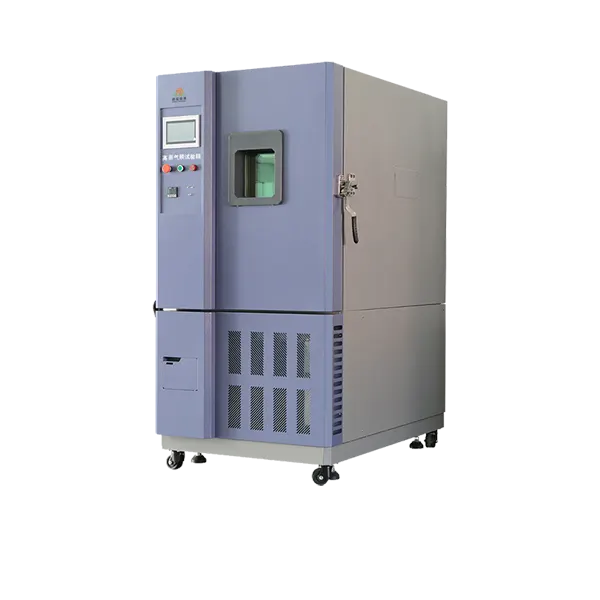
DR-H208 Altitude Temperature Test Chamber

DR-H208 Altitude Temperature Test Chamber

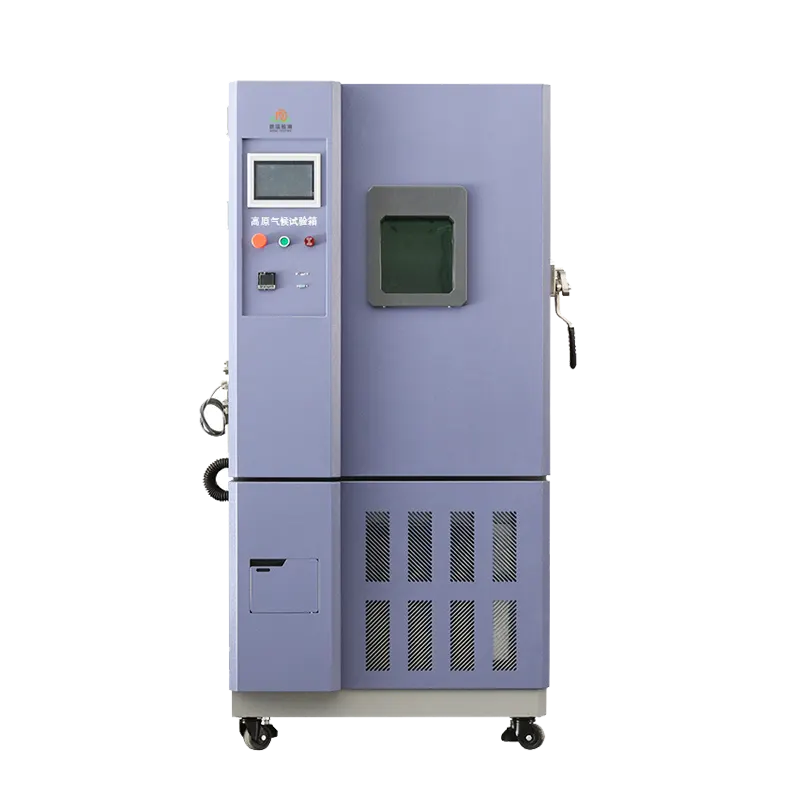
High Altitude Simulation Test Chamber

High Altitude Simulation Test Chamber

Specify an Altitude Chamber from Pressure, Temperature and Load

Define the target pressure or equivalent altitude, rate of pressure change, temperature condition, specimen operation and monitoring requirements before selecting the vacuum system and working volume.

Pressure Profile and Applicable Method

Provide the target pressure or equivalent altitude, starting condition, depressurization rate, dwell, repressurization and number of cycles. Identify the governing aerospace, electronics, transport or battery procedure and its revision.

Review Altitude Test Requirements →


Low Pressure Alone or with Temperature

Clarify whether the test requires low pressure only or simultaneous high/low temperature. Heat transfer and refrigeration behavior change under reduced pressure, so combined conditions require specific engineering review.

Compare Combined Altitude-Temperature Testing →

Specimen Operation and Monitoring

State specimen dimensions, mass, powered operating state, heat output, voltage and temperature channels, vacuum feedthroughs and cable requirements. Energized loads can materially change chamber performance.

Plan Aerospace and Electronics Testing →

Workspace, Pumping and Acceptance

Define usable workspace, fixture clearance, pumping time, leakage criteria, pressure accuracy, temperature tolerance, sensor locations and acceptance records. These values form a testable procurement specification.

Define Your Altitude Chamber Specification →

Need Low Pressure Alone or Combined with Temperature?

Send the applicable method, pressure or altitude profile, temperature sequence, specimen dimensions and mass, heat output, monitoring channels and available utilities.

Request an Altitude Chamber Assessment Download Altitude Chamber Information

Altitude chamber selection

Specify Pressure First; Then Define the Thermal Load

An altitude test is defined by absolute pressure and the complete exposure sequence, not by an altitude number alone. Decide whether the specimen needs a reduced-pressure hold, temperature control during evacuation, or both. The two product pages below provide a configurable platform route and a published 1 m³ reference configuration.

Start with Product page Selection boundary
Platform sizing and a project-specific pressure–temperature sequence DR-H208 Altitude Temperature Test Chamber Compare usable volume, simultaneous pressure and temperature points, pumping rate, powered heat output and utilities. The page describes a platform with volume-dependent configurations; request values for the exact build.
A published 1 m³ combined-exposure reference High Altitude Simulation Test Chamber Use its published 1 m³, pressure and loaded/unloaded temperature figures as a reference—not as performance guaranteed for a different specimen, heat load or chamber size.
Keep the equipment routes distinct. A battery transport plan that needs a low-pressure hold without active temperature control can be reviewed against the separate DR-D203 battery low-pressure chamber. It should not be presented as the same system as a programmed pressure–temperature chamber. For test-method context, read the altitude testing guide. Confirm the adopted edition, procedure and acceptance criteria; equipment capability is not an automatic product certification.

What an Altitude-Chamber Proposal Must Resolve

Send a test profile that can be checked against vacuum capacity, heat transfer and the installed specimen—not only a destination altitude.

Method & pressure
Edition, absolute kPa, dwell, pump-down and return rates
Temperature
Required air profile and timing relative to evacuation
Specimen
Envelope, mass, fixture, energized heat and feedthroughs
Acceptance
Sensor locations, pressure leakage, tolerances and records

Send your pressure–temperature profile to DERUI for configuration review →

WhatsAppWhatsApp
WhatsAppWhatsApp
WhatsApp
MessageMessage

Request a Quote


