Boden 1, Nr. 3, Shugang Avenue, Hongmei Town, Dongguan City, Guangdong Province, China

Hersteller von Umwelttestkammern seit 20 JahrenMehr als 3000 Kunden weltweit geliefert           E-Mail: shirley@deruitest.com
WhatsApp Consultation:+86 135 2795 8363

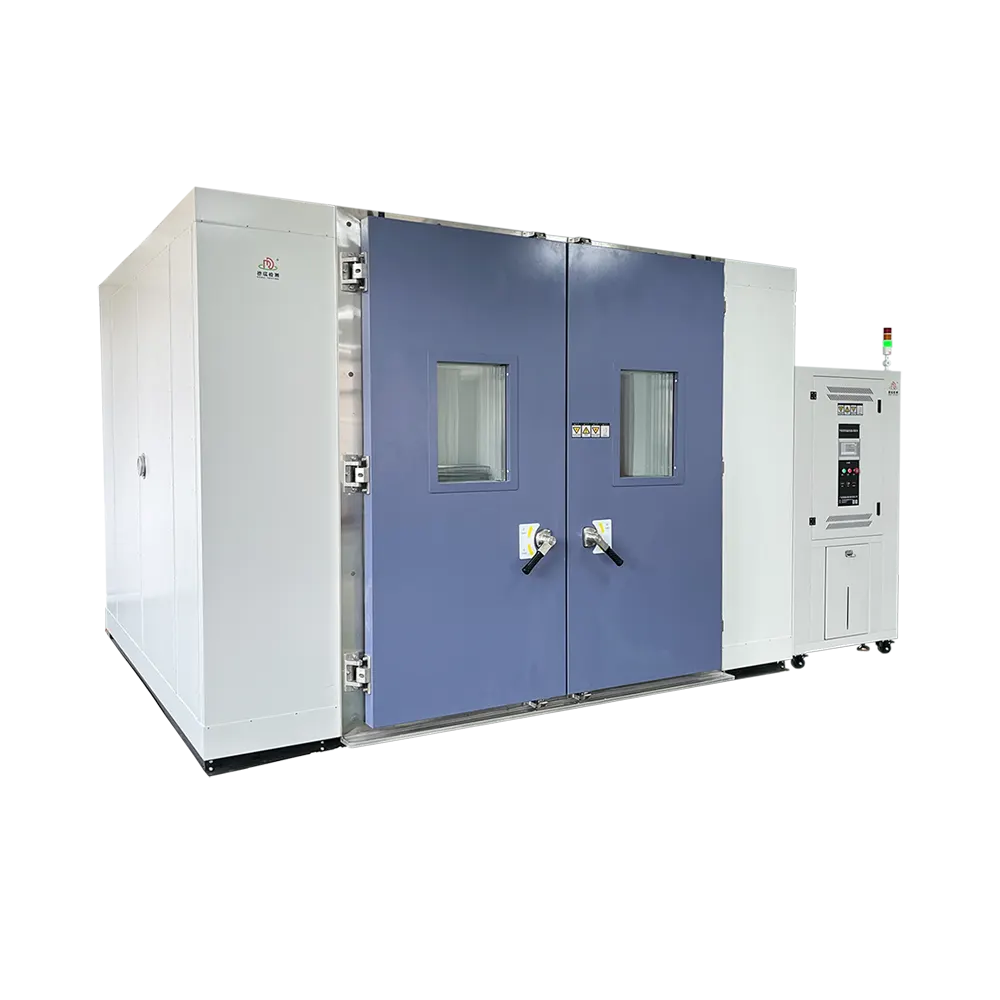
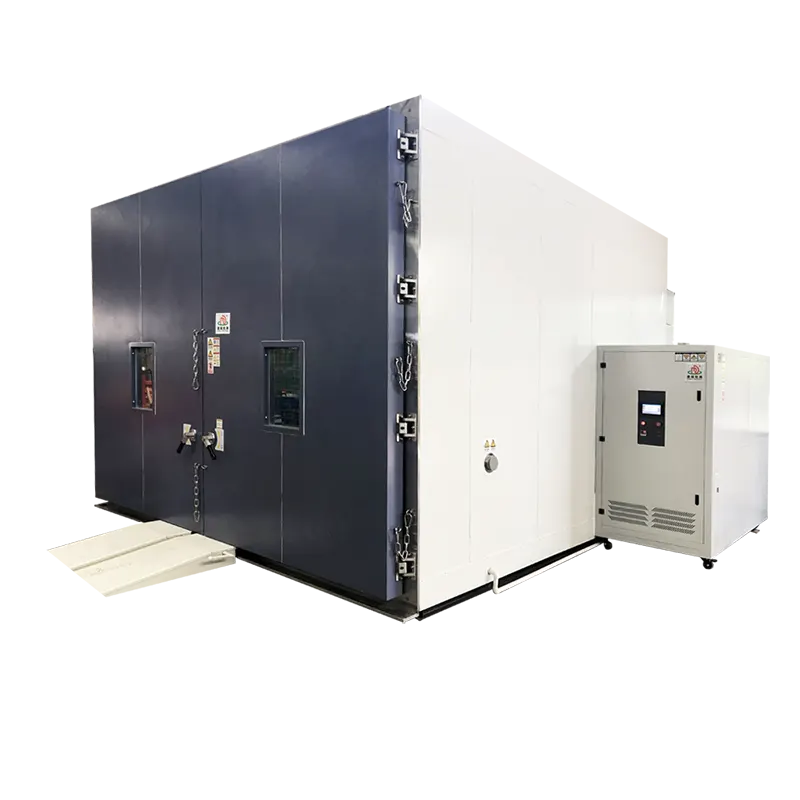
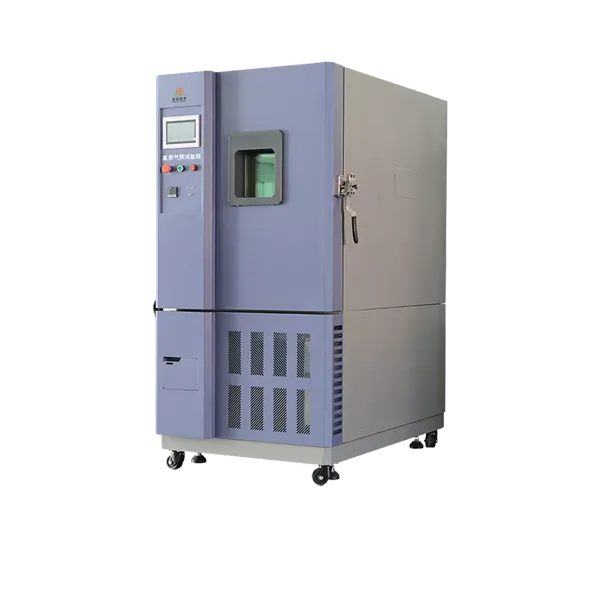
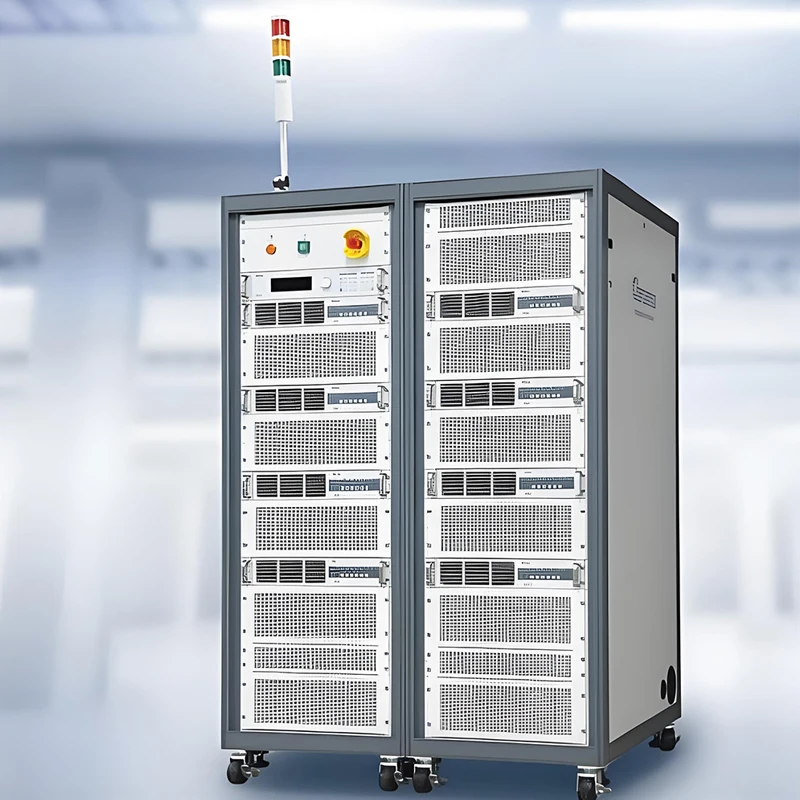
Batteriemodule Beschleunigen Impact-Testmaschine mit präziser Stoßsimulation

Das DERUI DR-H317 battery module impact testing machine is presented for controlled mechanical-impact evaluation. Select the impact mechanism, fixture, specimen limit and measurement channels against the exact test plan; current public speed, load and energy figures still require a model-specific datasheet.

Modell DR-H317
Testfokus Method-defined battery-module mechanical impact
Specimen Scope Module size, mass and restraint require approved drawing
Impact Range Velocity, energy and stroke/height not yet verified for DR-H317
Data & Safety Specify sensors, sampling, guarding and emergency response per project
Before Quotation Send module drawing, exact method, loading direction and FAT criteria
Sicher und zuverlässig
Hochwertig hergestellt
Qualitätssicherung
Anpassung
NachrichtWhatsApp
Hotline-Nummer 15580327593
  • Produktdetails
  • FAQ
  • Technische Parameter
  • Kontaktieren Sie uns
BATTERY MODULE MECHANICAL IMPACT EVALUATION

DR-H317 Battery Module Impact Testing Machine

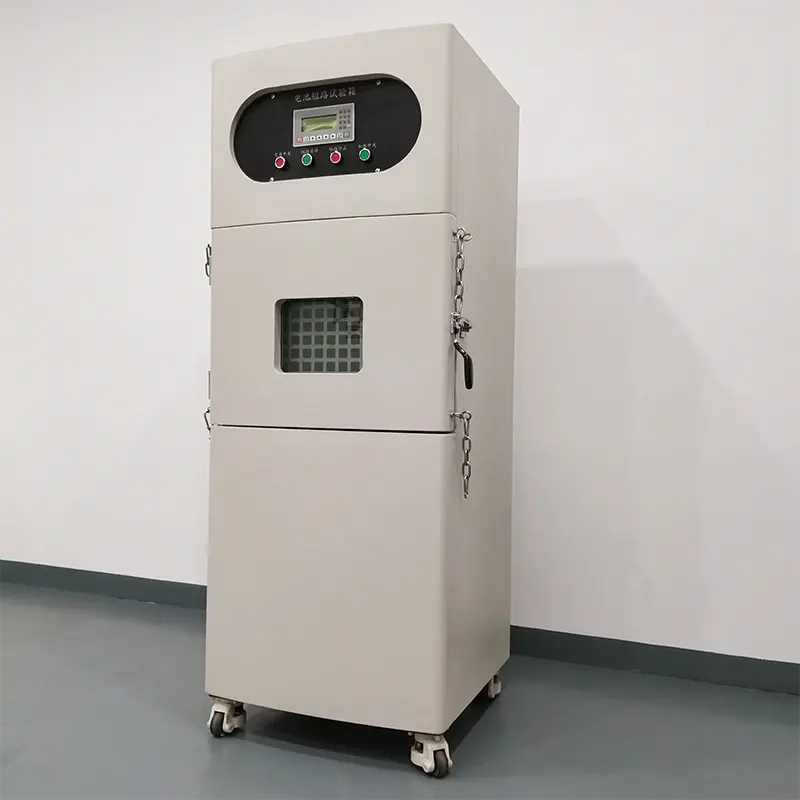
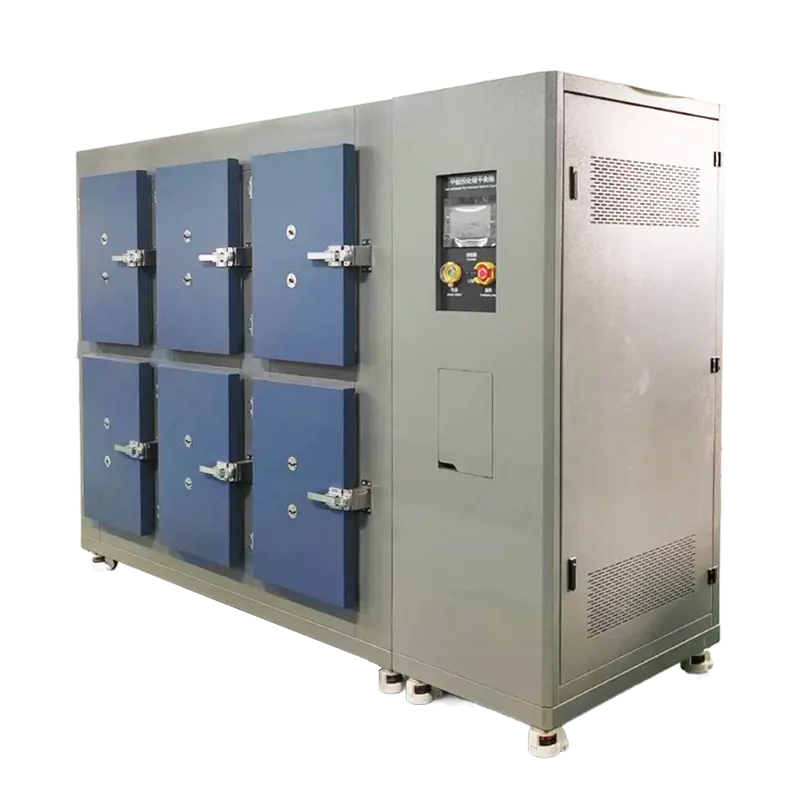
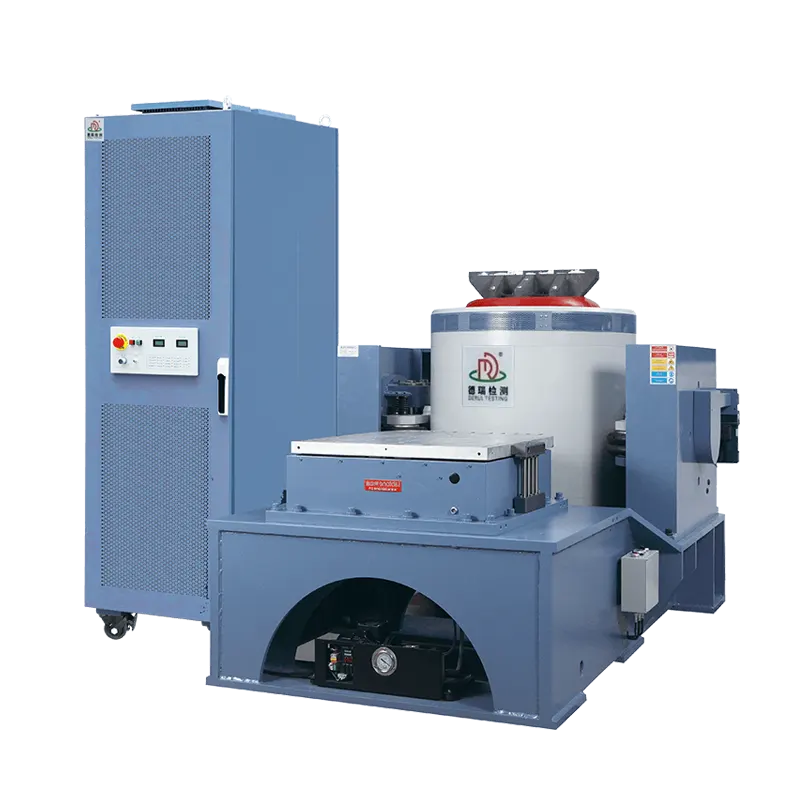
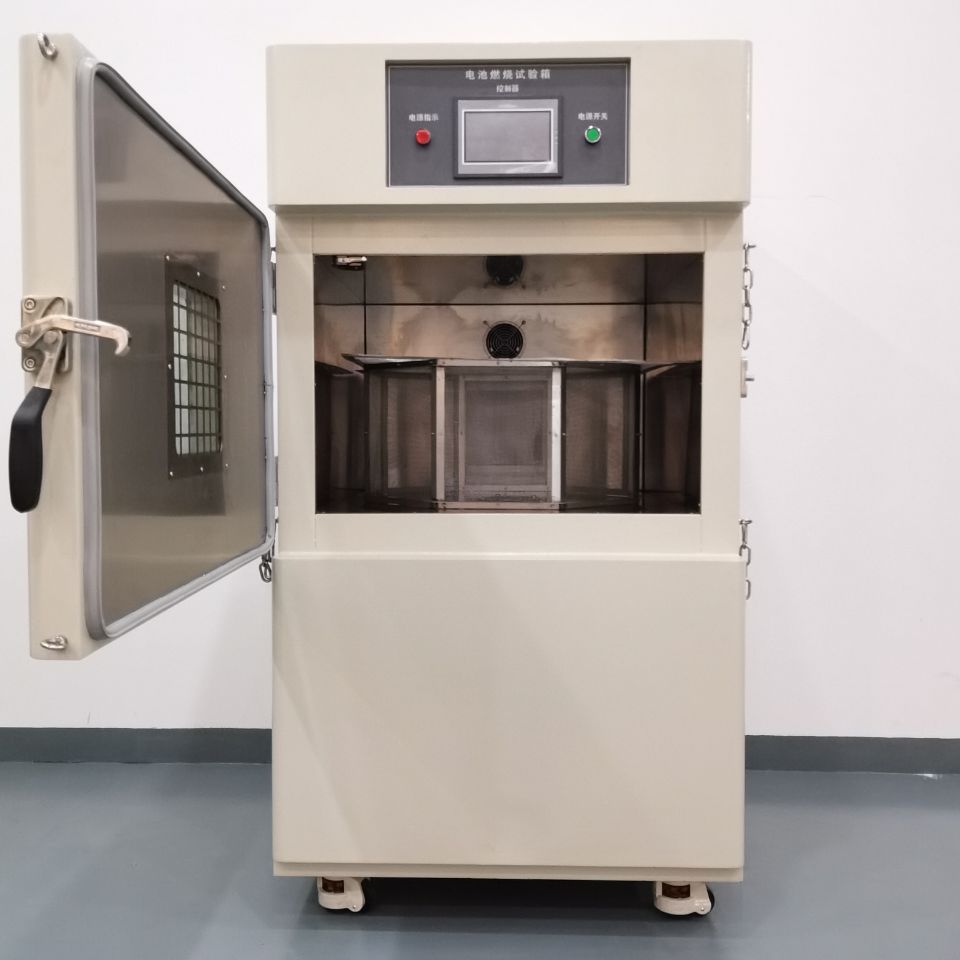
Plan a controlled impact test around the module, fixture and required mechanical event—not a generic promise to reproduce every vehicle crash. DERUI's published product identifies the DR-H317 model; the final impact mechanism, operating envelope and data channels must be confirmed on its approved drawing and FAT plan.

Scope first: impact, transportation shock, free-fall drop, compression and penetration are different methods. Do not assume one DR-H317 configuration performs all of them.
Published modelDR-H317
Primary buyer taskDefined mechanical impact on an approved battery module
Test setupSpecimen, restraint and striker to be specified
cURL Too many subrequests by single Worker invocation. To configure this limit, refer to https://developers.cloudflare.com/workers/wrangler/configuration/#limitsMethod-specific, witnessed performance

Specify the Impact Event Before Selecting the Machine

A useful impact result depends on the actual loading path. State whether an impactor strikes a mounted module, a specimen is dropped onto a target, or a shock pulse is applied through a fixture. The waveform, direction, contact geometry and restraint determine what damage the test can reveal. Without them, a headline impact speed or energy number is not enough to select equipment.

Specimen envelope

Module dimensions, mass, chemistry, energy, state of charge and center of gravity.

Mechanical input

Impact type, direction, striker, target, speed or energy, pulse and repeat count.

Result evidence

Force, acceleration, displacement, voltage, temperature, video and post-test criteria—as required by the method.

What Is Confirmed, and What Needs a Technical Agreement

Artikel Current public evidence Required confirmation
Model and positioning Product page identifies DR-H317 as a battery-module impact testing machine Manufacturer drawing and actual device photos
Impact architecture Current copy describes several different modes without a verified mechanism Drive principle, impactor, specimen restraint and test sequence
Speed, height and energy Page contains inconsistent claims: 0.2–2 m versus 0.1–2 m drop height, and separate 10 m/s / 500 J figures Signed range, relationship between speed/height/energy and test load
cURL Too many subrequests by single Worker invocation. To configure this limit, refer to https://developers.cloudflare.com/workers/wrangler/configuration/#limits Page mentions 100 kg and “up to 1 m³” without a validated fixture envelope Mass limit, dimensions, mounting points and center-of-gravity limits
Control and data Touchscreen, force/acceleration recording and video are described in general copy Installed sensors, sampling rate, export file and calibration chain
Safety system Guarding, emergency stop and interlocks are claimed but not documented in a model-specific list Safety drawing, access logic, containment design and site response plan
Publishing rule: do not transfer the unverified 10 m/s, 500 J, 100 kg, 1 m³ or ±1% figures into a definitive product specification until DERUI supplies a signed model-specific datasheet and acceptance record.

Choose the Correct Mechanical Test

Requested exposure What must be defined cURL Too many subrequests by single Worker invocation. To configure this limit, refer to https://developers.cloudflare.com/workers/wrangler/configuration/#limits
Localized impact Impactor shape/mass, contact area, energy or velocity, direction and specimen fixture Review DR-H317 after its impact mechanism is confirmed
Transportation shock Acceleration pulse, duration, axes, mounting and pulse tolerance Confirm whether a dedicated shock machine is required
Free-fall drop Drop height, release orientation, impact surface and specimen mass Use a documented drop mechanism, not a presumed DR-H317 mode
Compression or crush Platen, force, travel, rate and stop condition Compare a dedicated battery crush tester
Cell impact or forced short Cell geometry, method-specific tooling and observation Review separate cell impact or forced-short equipment

Standards: Match the Sample and Procedure

The old page names UN 38.3, UL 1642 and IEC 62133 as if DR-H317 automatically certifies an EV or ESS module. That is not established. These documents address different specimen types and procedures; for example, UN 38.3 separates transport shock from its impact/crush method, while IEC 62133-2 is scoped to portable sealed lithium cells and batteries. Ask the laboratory to identify the exact edition, clause, specimen and acceptance criteria before evaluating equipment fit.

Identify the clause

Record standard edition and method name—not only a standard logo.

Translate to hardware

Check loading mechanism, specimen support, sensor channels and safety envelope.

Witness the result

Agree calibration, run sheet, raw data, video and pass/fail record in FAT.

Make the Quotation Engineering-Ready

Send one representative test plan and a module drawing. The supplier should return a dimensioned fixture layout, proposed impact architecture, available ranges with measurement conditions, sensor and software list, facility requirements and a clear included-versus-optional scope. This gives the buyer a way to compare the DR-H317 with alternative impact or shock equipment before purchase.

Module information

Mass, dimensions, energy, SOC, mounting points, lifting method and expected failure modes.

cURL Too many subrequests by single Worker invocation. To configure this limit, refer to https://developers.cloudflare.com/workers/wrangler/configuration/#limits

Method/edition, direction, impactor, waveform/energy, repetition and acceptance criteria.

Facility information

Power, ventilation, exclusion zone, fire response, exhaust and remote observation needs.

Recommended FAT Evidence

Überprüfen Witnessed evidence
Mechanical setup Approved drawing, fixture fit, impactor geometry, travel and specimen restraint
Leistung Range and repeatability at stated specimen/load conditions with calibrated reference sensors
cURL Too many subrequests by single Worker invocation. To configure this limit, refer to https://developers.cloudflare.com/workers/wrangler/configuration/#limits Raw waveform, timestamp, channel identity, export sample and report template
Sicherheit Guard/interlock and emergency-stop demonstration; post-event access and fire-response procedure
Documents Manual, electrical and mechanical drawings, calibration certificates and FAT report

Häufig gestellte Fragen

Is DR-H317 a drop, crush and puncture tester in one machine?

The public page mixes these methods but does not provide a model-specific mechanism proving all are included. Confirm each requested mode separately in the quotation.

Can it test a 100 kg module?

The old copy makes that claim without a verified fixture drawing or load condition. Obtain a signed mass and center-of-gravity limit first.

Does it certify compliance with UN 38.3 or UL 1642?

No device name alone can establish specimen compliance. The exact method, sample type, calibrated setup and qualified evaluation must be documented.

What data should the equipment record?

That depends on the method. Specify needed force, acceleration, displacement, electrical and temperature signals, sampling and synchronized video in the approved scope.

Request a DR-H317 Method Review

Send the module drawing and target impact procedure. Ask DERUI to show the actual device, confirm the mechanism and provide a measurable quotation and FAT checklist.

Discuss your impact test

Include with your inquiry

  • Module mass, dimensions and SOC
  • Exact standard clause or test plan
  • Impact input and observation needs
  • Site safety and utility conditions
FacebookLinkedInXRedditWhatsApp
  1. F: Wofür wird eine Batteriemodul-Impact-Testmaschine verwendet?
    A: Es ist ein spezielles Sicherheitstestgerät, das entwickelt wurde, um hochgeschwindigkeitsmechanische Stöße und Aufprälle auf Lithium-Ionen-Batteriemodule und -packs zu simulieren. Der Hauptzweck besteht darin, die strukturelle Integrität, Sicherheit und Zuverlässigkeit unter Bedingungen zu bewerten, die reale Unfälle, Stürze oder Kollisionen nachahmen, um die Einhaltung internationaler Sicherheitsstandards zu gewährleisten.

  2. F: Welche Sicherheitsstandards können mit diesem Impact-Tester erfüllt werden?
    A: Ein hochwertiges Gerät wie das Derui-Modell ist darauf ausgelegt, Nutzern die Einhaltung wichtiger globaler Standards zu erleichtern, einschließlich UN 38.3 (Transport-Sicherheit), UL 1642 (Lithium-Batteriesicherheit), IEC 62133 (Wiederaufladbare Batterien Sicherheit), und spezifischer mechanischer Missbrauchstests für Automobile/ESS.

  3. F: Welche Batterietypen können mit dieser Maschine getestet werden?
    A: Es ist vielseitig und kann verschiedene Lithium-Ionen-Batterieformate (zylindrisch, prismatisch, Beutel) testen, die verwendet werden in Elektrofahrzeugen (EVs), Energiespeichersystemen (ESS), und Unterhaltungselektronik. Die Maschine kann typischerweise Batteriemodule bis zu einer bestimmten Größe und Gewicht (z.B. 100 kg) aufnehmen.

  4. F: Wie unterscheidet sich ein beschleunigter Impact-Test von einem einfachen Falltest?
    A: Ein beschleunigter Impact-Test bietet präzise, wiederholbare Kontrolle über Aufprallgeschwindigkeit (z. B. bis zu 10 m/s), Energie und Winkel mit einem mechanisierten System. Dies bietet konsistentere und standardisierte Daten im Vergleich zu einem einfachen, durch Schwerkraft getriebenen Falltest, der weniger kontrollierbar und wiederholbar für kritische Sicherheitsüberprüfungen ist.

  5. F: Welche wichtigsten Merkmale sollte ich bei einem Stoßtester für Batteriemodule beachten?
    A: Hauptmerkmale umfassen: verstellbare Aufprallgeschwindigkeit/-energie, hohe Wiederholbarkeit (geraner Fehlerbereich), robuste Sicherheitsabdeckung, ein intuitives SPS-Steuerungssystem mit Datenprotokollierung, Einhaltung der relevanten Sicherheitsstandards, und die Fähigkeit, verschiedene Testmodi durchzuführen (Fall, Zermalmen, Durchstich).

  6. F: Warum ist eine präzise Steuerung der Aufprallgeschwindigkeit bei Batterietests wichtig?
    A: Genaue Geschwindigkeitskontrolle (z. B. bis zu 10 m/s) ist entscheidend für die Replikation spezifischer, standardisierter Testbedingungen die von Vorschriften gefordert werden. Sie stellt sicher, dass die Testergebnisse wiederholbar und vergleichbar sind, was eine genaue Sicherheitszertifizierung und zuverlässige F&E-Daten bei der Bewertung von Batteriepacks-Designs ermöglicht.

  7. F: Kann diese Maschine sowohl ‘Zermalmen’ als auch ‘Durchstich’-Art Impact-Tests durchführen?
    A: Ja, fortschrittliche Modelle wie die Derui Accelerate Impact Testing Machine sind für mehrere Testmodi, einschließlich kontrollierter Zermalmen- und Durchstich-Impacts, ausgelegt. Dies ermöglicht eine umfassende Bewertung der Reaktionen des Batteriemoduls auf verschiedene mechanische Missbrauchsszenarien.

  8. F: Wie stellt die Maschine die Sicherheit des Bedieners während Hochstoßtests sicher?
    A: Sicherheit wird durch mehrere Schichten gewährleistet: transparente, stoßfeste Sicherheitsabdeckungen, Not-Aus-Schalter an allen Seiten, Sicherheitsverriegelungssysteme die den Betrieb verhindern, wenn Schutzvorrichtungen geöffnet sind, und sichere Klemmvorrichtungen, um das Herausschleudern der Probe zu verhindern.

  9. F: Sind die Testdaten der Maschine für Zertifizierungsprüfungen akzeptabel?
    A: Ja, wenn eine konforme Maschine verwendet wird. Sie bietet automatisches, Echtzeit-Datenprotokollierung aller Testparameter (Geschwindigkeit, Kraft, Beschleunigung). Dies erzeugt detaillierte, nachvollziehbare Berichte, die für das Bestehen Drittanbieter-Zertifizierungsprüfungen und interne Qualitätskontrollen unerlässlich sind.

  10. F: Welche Branchen verwenden hauptsächlich diese Art von Stoßtestgeräten?
    A: Die Hauptnutzer sind Hersteller von Batterien für Elektrofahrzeuge (EV), Integratoren von Energiespeichersystemen (ESS), F&E-Labore für Batterien, und Qualitätssicherungszentren im Bereich der Unterhaltungselektronik – überall, wo eine strenge mechanische Sicherheitsvalidierung von Batteriepacks erforderlich ist.

The current page has no separate, signed DR-H317 parameter table. This sheet separates its published statements from values that must be confirmed by DERUI before publication as guaranteed specifications.

Artikel Status / confirmation needed
Modell DR-H317, as named on the product page
Impact principle Not established by model-specific drawing; confirm drive, striker, target and restraint
Velocity / energy Public narrative mentions up to 10 m/s and 500 J; not validated as DR-H317 guaranteed performance
Drop/stroke range Public narrative conflicts between 0.1–2 m and 0.2–2 m; clarify whether a drop mechanism exists
Specimen mass / envelope 100 kg and 1 m³ appear in promotional text only; require signed fixture/load limits
Repeatability ±1% appears in promotional text without test condition or method; require witnessed definition
Test modes Impact, drop, crush and puncture must be specified as distinct configurations; none assumed standard
Control / measurement Touchscreen, force/acceleration logging and video not validated on a model-specific list
Sicherheit Guarding, interlock, emergency stop and exhaust/containment to be shown on approved safety drawing
Standards fit Exact edition, clause, specimen and acceptance criteria to be agreed; no blanket certification claim
WhatsAppWhatsApp
WhatsAppWhatsApp
WhatsApp
NachrichtNachricht

Anfrage für ein Angebot