Tầng 1, số 3, đại lộ Shugang, thị trấn Hongmei, thành phố Đông Quan, tỉnh Quảng Đông, Trung Quốc

Nhà sản xuất buồng kiểm tra môi trường 20 nămHơn 3000 khách hàng trên toàn thế giới giao hàng           Email: shirley@deruitest.com
WhatsApp Consultation:+86 135 2795 8363

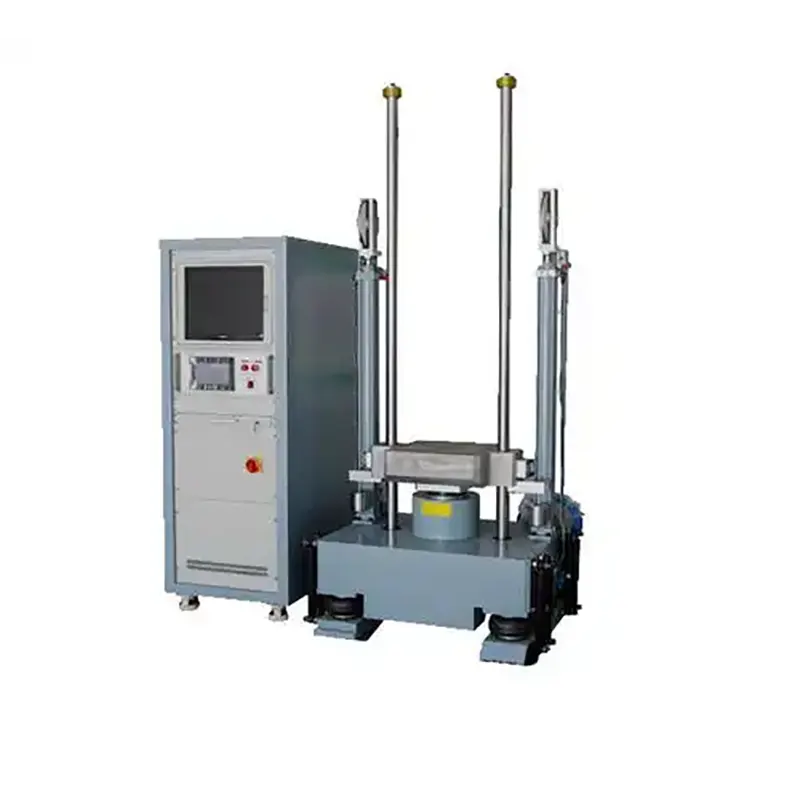
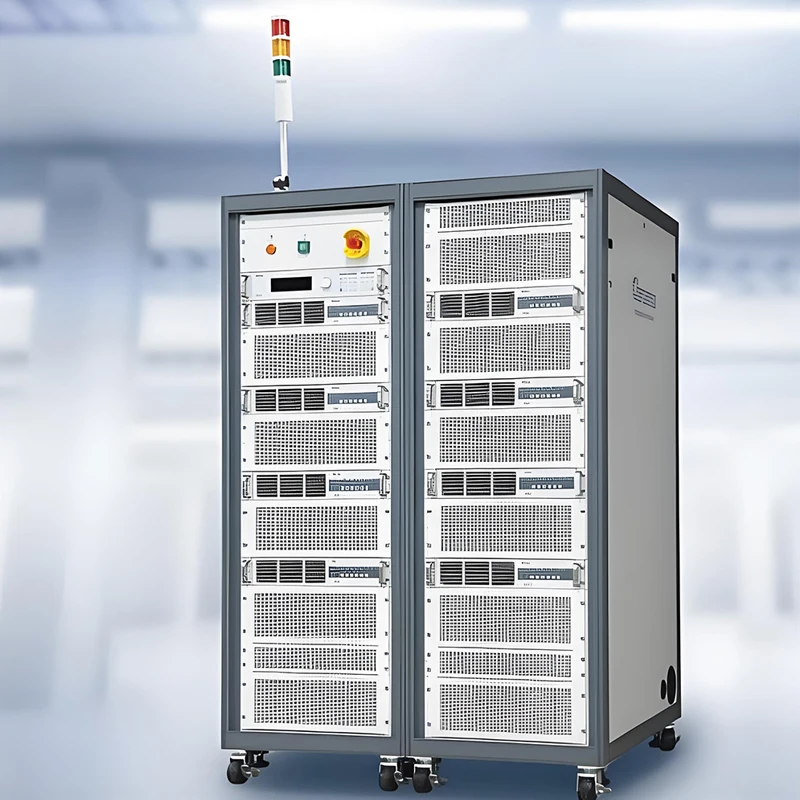
Máy gia tốc mô-đun pin với mô phỏng sốc chính xác cho thử nghiệm tác động

The DERUI DR-H317 battery module impact testing machine is presented for controlled mechanical-impact evaluation. Select the impact mechanism, fixture, specimen limit and measurement channels against the exact test plan; current public speed, load and energy figures still require a model-specific datasheet.

Mẫu DR-H317
Trọng tâm kiểm tra Method-defined battery-module mechanical impact
Specimen Scope Module size, mass and restraint require approved drawing
Impact Range Velocity, energy and stroke/height not yet verified for DR-H317
Data & Safety Specify sensors, sampling, guarding and emergency response per project
Before Quotation Send module drawing, exact method, loading direction and FAT criteria
An toàn và đáng tin cậy
Chế tạo tốt
Đảm bảo chất lượng
Tùy chỉnh
Tin nhắnWhatsApp
Số điện thoại đường dây nóng 15580327593
  • Chi tiết sản phẩm
  • Câu hỏi thường gặp
  • Thông số kỹ thuật
  • Liên hệ với chúng tôi
BATTERY MODULE MECHANICAL IMPACT EVALUATION

DR-H317 Battery Module Impact Testing Machine

Plan a controlled impact test around the module, fixture and required mechanical event—not a generic promise to reproduce every vehicle crash. DERUI's published product identifies the DR-H317 model; the final impact mechanism, operating envelope and data channels must be confirmed on its approved drawing and FAT plan.

Scope first: impact, transportation shock, free-fall drop, compression and penetration are different methods. Do not assume one DR-H317 configuration performs all of them.
Published modelDR-H317
Primary buyer taskDefined mechanical impact on an approved battery module
Test setupSpecimen, restraint and striker to be specified
cURL Too many subrequests by single Worker invocation. To configure this limit, refer to https://developers.cloudflare.com/workers/wrangler/configuration/#limitsMethod-specific, witnessed performance

Specify the Impact Event Before Selecting the Machine

A useful impact result depends on the actual loading path. State whether an impactor strikes a mounted module, a specimen is dropped onto a target, or a shock pulse is applied through a fixture. The waveform, direction, contact geometry and restraint determine what damage the test can reveal. Without them, a headline impact speed or energy number is not enough to select equipment.

Specimen envelope

Module dimensions, mass, chemistry, energy, state of charge and center of gravity.

Mechanical input

Impact type, direction, striker, target, speed or energy, pulse and repeat count.

Result evidence

Force, acceleration, displacement, voltage, temperature, video and post-test criteria—as required by the method.

What Is Confirmed, and What Needs a Technical Agreement

Mục Current public evidence Required confirmation
Model and positioning Product page identifies DR-H317 as a battery-module impact testing machine Manufacturer drawing and actual device photos
Impact architecture Current copy describes several different modes without a verified mechanism Drive principle, impactor, specimen restraint and test sequence
Speed, height and energy Page contains inconsistent claims: 0.2–2 m versus 0.1–2 m drop height, and separate 10 m/s / 500 J figures Signed range, relationship between speed/height/energy and test load
cURL Too many subrequests by single Worker invocation. To configure this limit, refer to https://developers.cloudflare.com/workers/wrangler/configuration/#limits Page mentions 100 kg and “up to 1 m³” without a validated fixture envelope Mass limit, dimensions, mounting points and center-of-gravity limits
Control and data Touchscreen, force/acceleration recording and video are described in general copy Installed sensors, sampling rate, export file and calibration chain
Safety system Guarding, emergency stop and interlocks are claimed but not documented in a model-specific list Safety drawing, access logic, containment design and site response plan
Publishing rule: do not transfer the unverified 10 m/s, 500 J, 100 kg, 1 m³ or ±1% figures into a definitive product specification until DERUI supplies a signed model-specific datasheet and acceptance record.

Choose the Correct Mechanical Test

Requested exposure What must be defined cURL Too many subrequests by single Worker invocation. To configure this limit, refer to https://developers.cloudflare.com/workers/wrangler/configuration/#limits
Localized impact Impactor shape/mass, contact area, energy or velocity, direction and specimen fixture Review DR-H317 after its impact mechanism is confirmed
Transportation shock Acceleration pulse, duration, axes, mounting and pulse tolerance Confirm whether a dedicated shock machine is required
Free-fall drop Drop height, release orientation, impact surface and specimen mass Use a documented drop mechanism, not a presumed DR-H317 mode
Compression or crush Platen, force, travel, rate and stop condition Compare a dedicated battery crush tester
Cell impact or forced short Cell geometry, method-specific tooling and observation Review separate cell impact or forced-short equipment

Standards: Match the Sample and Procedure

The old page names UN 38.3, UL 1642 and IEC 62133 as if DR-H317 automatically certifies an EV or ESS module. That is not established. These documents address different specimen types and procedures; for example, UN 38.3 separates transport shock from its impact/crush method, while IEC 62133-2 is scoped to portable sealed lithium cells and batteries. Ask the laboratory to identify the exact edition, clause, specimen and acceptance criteria before evaluating equipment fit.

Identify the clause

Record standard edition and method name—not only a standard logo.

Translate to hardware

Check loading mechanism, specimen support, sensor channels and safety envelope.

Witness the result

Agree calibration, run sheet, raw data, video and pass/fail record in FAT.

Make the Quotation Engineering-Ready

Send one representative test plan and a module drawing. The supplier should return a dimensioned fixture layout, proposed impact architecture, available ranges with measurement conditions, sensor and software list, facility requirements and a clear included-versus-optional scope. This gives the buyer a way to compare the DR-H317 with alternative impact or shock equipment before purchase.

Module information

Mass, dimensions, energy, SOC, mounting points, lifting method and expected failure modes.

cURL Too many subrequests by single Worker invocation. To configure this limit, refer to https://developers.cloudflare.com/workers/wrangler/configuration/#limits

Method/edition, direction, impactor, waveform/energy, repetition and acceptance criteria.

Facility information

Power, ventilation, exclusion zone, fire response, exhaust and remote observation needs.

Recommended FAT Evidence

Kiểm tra Witnessed evidence
Mechanical setup Approved drawing, fixture fit, impactor geometry, travel and specimen restraint
Hiệu suất Range and repeatability at stated specimen/load conditions with calibrated reference sensors
cURL Too many subrequests by single Worker invocation. To configure this limit, refer to https://developers.cloudflare.com/workers/wrangler/configuration/#limits Raw waveform, timestamp, channel identity, export sample and report template
An toàn Guard/interlock and emergency-stop demonstration; post-event access and fire-response procedure
Documents Manual, electrical and mechanical drawings, calibration certificates and FAT report

Câu hỏi thường gặp

Is DR-H317 a drop, crush and puncture tester in one machine?

The public page mixes these methods but does not provide a model-specific mechanism proving all are included. Confirm each requested mode separately in the quotation.

Can it test a 100 kg module?

The old copy makes that claim without a verified fixture drawing or load condition. Obtain a signed mass and center-of-gravity limit first.

Does it certify compliance with UN 38.3 or UL 1642?

No device name alone can establish specimen compliance. The exact method, sample type, calibrated setup and qualified evaluation must be documented.

What data should the equipment record?

That depends on the method. Specify needed force, acceleration, displacement, electrical and temperature signals, sampling and synchronized video in the approved scope.

Request a DR-H317 Method Review

Send the module drawing and target impact procedure. Ask DERUI to show the actual device, confirm the mechanism and provide a measurable quotation and FAT checklist.

Discuss your impact test

Include with your inquiry

  • Module mass, dimensions and SOC
  • Exact standard clause or test plan
  • Impact input and observation needs
  • Site safety and utility conditions
FacebookLinkedInXRedditWhatsApp
  1. H: Máy kiểm tra tác động tăng tốc mô-đun pin dùng để làm gì?
    A: Đây là thiết bị kiểm tra an toàn chuyên dụng dùng để mô phỏng các cú sốc cơ học và tác động với vận tốc cao lên các mô-đun và gói pin lithium-ion. Mục đích chính là đánh giá tính toàn vẹn cấu trúc, an toàn và độ tin cậy trong điều kiện mô phỏng các tai nạn, rơi hoặc va chạm thực tế, đảm bảo tuân thủ các tiêu chuẩn an toàn quốc tế.

  2. H: Các tiêu chuẩn an toàn nào có thể đáp ứng với máy thử tác động này?
    A: Một máy chất lượng cao, như mẫu của Derui, được thiết kế để giúp người dùng tuân thủ các tiêu chuẩn toàn cầu quan trọng bao gồm UN 38.3 (an toàn vận chuyển), UL 1642 (an toàn pin lithium), IEC 62133 (an toàn pin sạc lại), và các quy trình thử nghiệm lạm dụng cơ học đặc thù của ô tô/ hệ thống lưu trữ năng lượng (ESS).

  3. H: Các loại pin nào có thể được thử nghiệm trên máy này?
    A: Nó linh hoạt và có thể thử các dạng pin lithium-ion khác nhau (hình trụ, hình hộp, túi) sử dụng trong Xe điện (EVs), Hệ thống lưu trữ năng lượng (ESS), và điện tử tiêu dùng. Máy thường phù hợp với các mô-đun pin có kích thước và trọng lượng nhất định (ví dụ, 100 kg).

  4. H: Thử nghiệm tác động tăng tốc khác gì so với thử nghiệm rơi đơn giản?
    A: Thử nghiệm tác động tăng tốc cung cấp kiểm soát chính xác, lặp lại về vận tốc tác động (ví dụ, lên tới 10 m/s), năng lượng và góc sử dụng hệ thống cơ khí. Điều này mang lại dữ liệu nhất quán và tiêu chuẩn hơn so với thử nghiệm rơi dựa trên trọng lực đơn giản, ít kiểm soát và lặp lại hơn cho việc xác nhận an toàn quan trọng.

  5. H: Những đặc điểm chính nào tôi nên tìm kiếm trong một máy thử tác động mô-đun pin?
    A: Các tính năng chính bao gồm: tốc độ/ năng lượng tác động có thể điều chỉnh, tính lặp lại cao (chỉ số lỗi thấp), hệ thống bảo vệ an toàn chắc chắn, một hệ thống điều khiển PLC trực quan với ghi dữ liệu, tuân thủ các tiêu chuẩn an toàn phù hợp, và khả năng thực hiện các chế độ thử nghiệm khác nhau (rơi, nghiền, đâm thủng).

  6. H: Tại sao kiểm soát tốc độ tác động chính xác lại quan trọng trong thử nghiệm pin?
    A: Kiểm soát tốc độ chính xác (ví dụ, lên đến 10 m/s) là rất quan trọng để bắt chước các điều kiện thử nghiệm tiêu chuẩn cụ thể yêu cầu bởi các quy định. Nó đảm bảo kết quả thử nghiệm là lặp lại và có thể so sánh, cho phép chứng nhận an toàn chính xác và dữ liệu R&D đáng tin cậy khi đánh giá thiết kế bộ pin.

  7. H: Máy này có thể thử cả tác động ‘ nghiền ’ và ‘ đâm thủng ’ không?
    A: Có, các mẫu nâng cao như Máy thử tác động tăng tốc Derui được thiết kế cho nhiều chế độ thử nghiệm, bao gồm tác động nghiền và đâm thủng có kiểm soát. Điều này cho phép đánh giá toàn diện phản ứng của mô-đun pin đối với các kịch bản lạm dụng cơ học khác nhau.

  8. H: Làm thế nào để máy đảm bảo an toàn cho người vận hành trong các thử nghiệm tác động cao?
    A: An toàn được đảm bảo thông qua nhiều lớp: tấm chắn an toàn trong suốt, chống va đập, nút dừng khẩn cấp ở tất cả các phía, hệ thống khóa an toàn ngăn chặn hoạt động nếu các bộ bảo vệ mở, và kẹp chặt an toàn để ngăn chặn mẫu bị bật ra.

  9. H: Dữ liệu thử nghiệm từ máy có chấp nhận được để kiểm tra chứng nhận không?
    A: Có, khi sử dụng máy phù hợp tiêu chuẩn. Nó cung cấp ghi dữ liệu tự động, theo thời gian thực tất cả các tham số thử nghiệm (tốc độ, lực, gia tốc). Điều này tạo ra các báo cáo chi tiết, có thể truy xuất nguồn gốc, rất cần thiết để vượt qua kiểm tra chứng nhận của bên thứ ba và kiểm soát chất lượng nội bộ.

  10. H: Các ngành công nghiệp nào chủ yếu sử dụng loại thiết bị thử nghiệm va đập này?
    A: Những người dùng chính là Các nhà sản xuất pin xe điện (EV), Các nhà tích hợp Hệ thống Lưu trữ Năng lượng (ESS), Phòng thí nghiệm R&D pin, và Trung tâm đảm bảo chất lượng trong lĩnh vực điện tử tiêu dùng—bất cứ nơi nào cần xác nhận an toàn cơ học nghiêm ngặt của các bộ pin.

The current page has no separate, signed DR-H317 parameter table. This sheet separates its published statements from values that must be confirmed by DERUI before publication as guaranteed specifications.

Mục Status / confirmation needed
Mẫu DR-H317, as named on the product page
Impact principle Not established by model-specific drawing; confirm drive, striker, target and restraint
Velocity / energy Public narrative mentions up to 10 m/s and 500 J; not validated as DR-H317 guaranteed performance
Drop/stroke range Public narrative conflicts between 0.1–2 m and 0.2–2 m; clarify whether a drop mechanism exists
Specimen mass / envelope 100 kg and 1 m³ appear in promotional text only; require signed fixture/load limits
Repeatability ±1% appears in promotional text without test condition or method; require witnessed definition
Test modes Impact, drop, crush and puncture must be specified as distinct configurations; none assumed standard
Control / measurement Touchscreen, force/acceleration logging and video not validated on a model-specific list
An toàn Guarding, interlock, emergency stop and exhaust/containment to be shown on approved safety drawing
Standards fit Exact edition, clause, specimen and acceptance criteria to be agreed; no blanket certification claim
WhatsAppWhatsApp
WhatsAppWhatsApp
WhatsApp
Tin nhắnTin nhắn

Yêu cầu báo giá