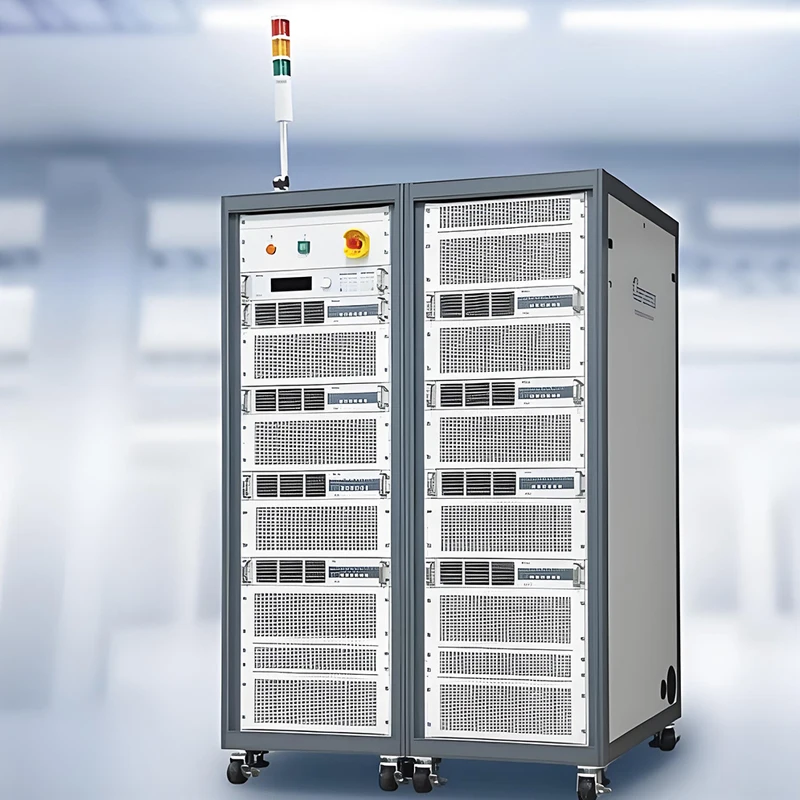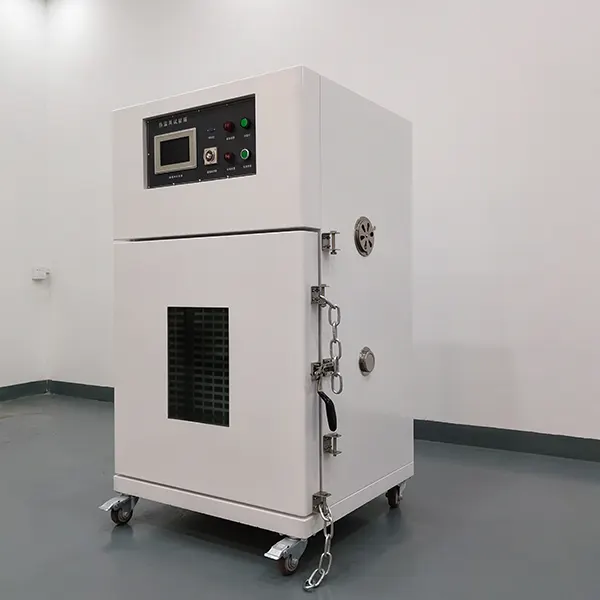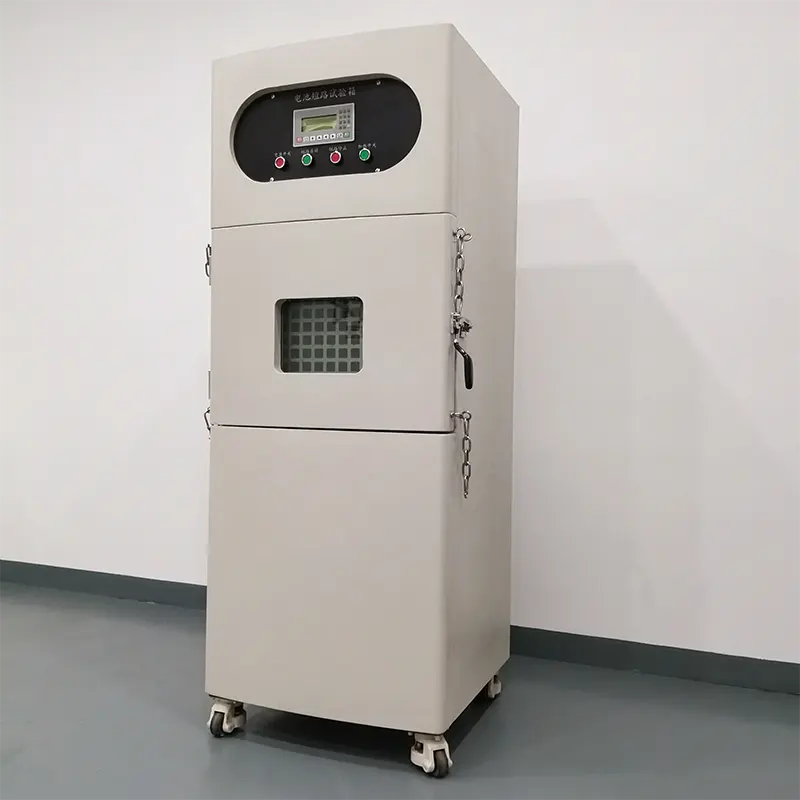


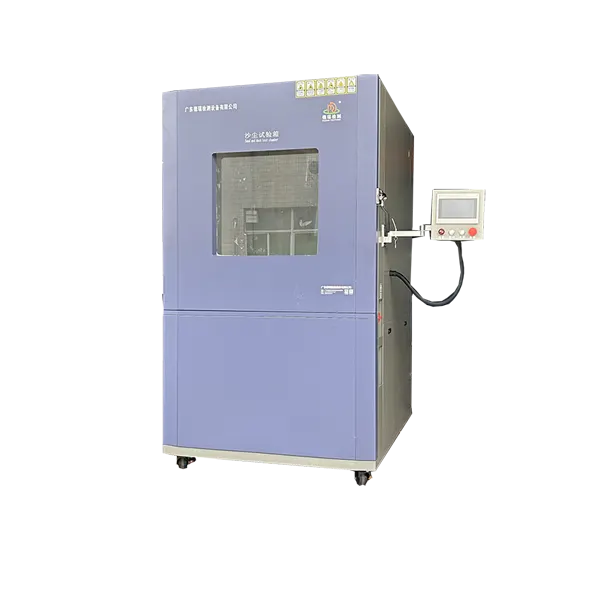

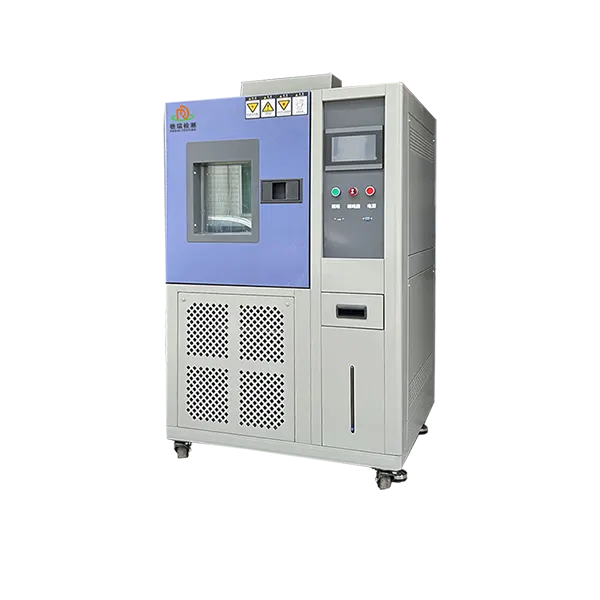
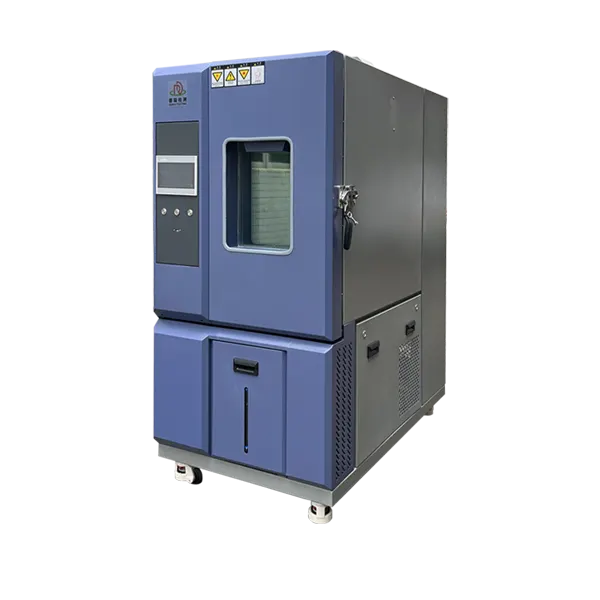
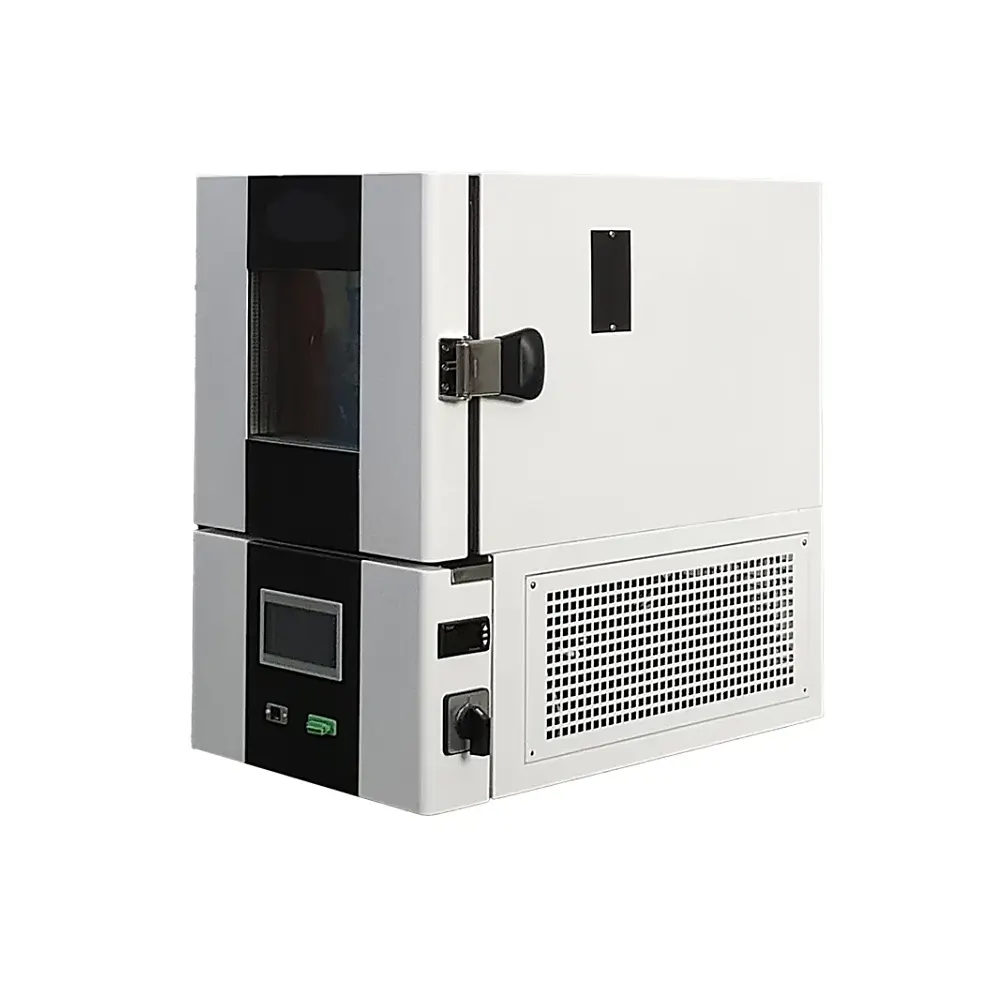
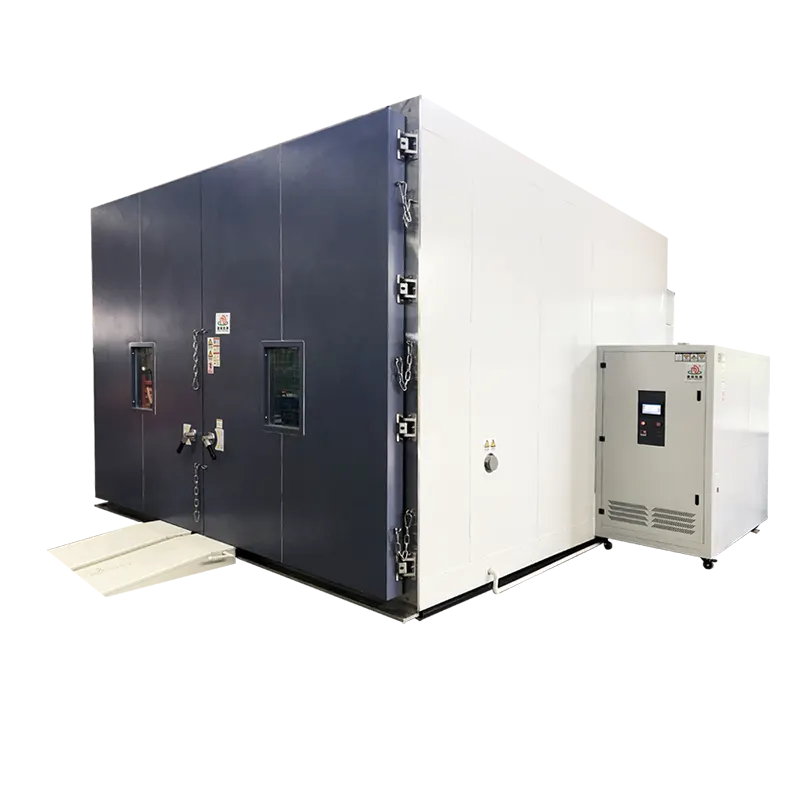
Product Overview: Derui Battery Forced Internal Short Circuit Tester Introduction and Purpose
The Derui Battery Forced Internal Short Circuit Tester is a specialized testing instrument designed to simulate internal short circuit conditions within lithium-ion cells. This equipment is essential for verifying battery safety and compliance with international standards such as IEC 62133-2 and JIS C 8714:2007. By inducing a controlled internal short circuit, the tester evaluates the battery’s thermal and electrical response, ensuring robust protection against potential failures.
Ideal for prismatic and cylindrical lithium-ion cells, the Derui FISC Tester supports research and development, quality control, and certification processes. Its key purpose is to assess the cell’s ability to withstand forced internal short circuits without hazardous reactions, safeguarding end-users and manufacturers alike.
Built to deliver precise, repeatable results, this Battery Internal Short Circuit Test Equipment plays a vital role in battery safety verification, enabling manufacturers to meet strict regulatory requirements while optimizing product reliability and performance.
High-Precision Servo Control for Force Application and Deformation
Our Battery Forced Internal Short Circuit Tester uses a high-precision servo control system to apply force accurately during testing. This lets you simulate internal short circuits with exact pressure and deformation on battery cells.
Benefits include:
| Feature | Advantage |
|---|---|
| Precise force control | Applies consistent and repeatable pressure |
| Smooth servo operation | Prevents sudden shocks or damage to the cell |
| Adjustable force range | Customizable for prismatic and cylindrical cells |
| Real-time force feedback | Ensures exact deformation according to test protocols |
This precision is essential for reliable forced internal short circuit testing, helping you meet safety standards while protecting your battery samples throughout the process.
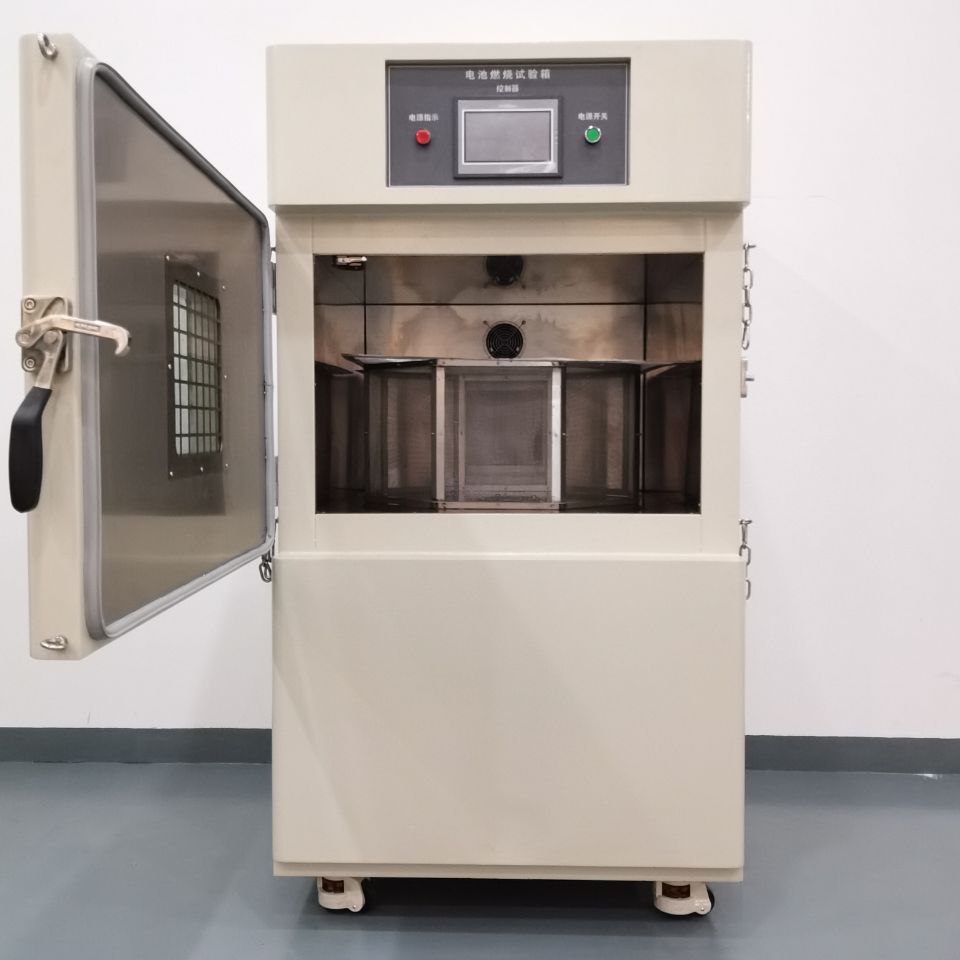
Key Feature: Integrated Temperature Chamber for Ambient Condition Testing
Our Battery Forced Internal Short Circuit Tester includes an integrated temperature chamber designed to recreate various environmental conditions. This feature lets you test battery cells under precise temperature settings, ensuring accurate evaluation of performance and safety.
Benefits of the Temperature Chamber:
- Wide temperature range: From 0°C to 100°C or per customer standard
- Stable ambient control: Keeps test conditions consistent for reliable results
- Supports battery abuse testing: Helps simulate real-world scenarios like overheating
- Enhances test accuracy: Temperature affects battery behavior; replicating it matters
| Feature | Details |
|---|---|
| Temperature Range | 0°C – 100°C (customizable) |
| Temperature Stability | ±1°C precision |
| Test Chamber Material | Stainless steel corrosion-resistant |
| Use Case | R&D, quality control, safety testing |
This built-in temperature control ensures you can validate battery safety under varying conditions — a must for manufacturers in the U.S. market focused on delivering reliable and compliant lithium-ion products.
Real-Time Monitoring of Voltage, Temperature, and Pressure
Our Battery Forced Internal Short Circuit Tester comes with advanced real-time monitoring that keeps you fully informed throughout the test. Here’s what it tracks:
| Parameter | What It Means | Why It Matters |
|---|---|---|
| Voltage Drop | Measures sudden changes in cell voltage | Detects internal shorts quickly |
| Temperature Rise | Tracks heat build-up inside the battery | Prevents overheating hazards |
| Pressure | Monitors force and internal swelling | Ensures test accuracy and safety |
This live data helps you spot issues early, adjust the test if needed, and maintain safety standards. You get clear, real-time feedback, making the test results reliable and easy to analyze.
Explosion-Proof Design with Exhaust System and Viewing Window
Safety is a top priority with the Derui Battery Forced Internal Short Circuit Tester. It features an explosion-proof design that protects users and equipment during testing. The built-in exhaust system efficiently vents any harmful gases or smoke generated by battery failures, keeping the testing area safe and clean.
The viewing window lets you observe the test progress without opening the chamber, reducing risk and ensuring smooth operation. This combination of safety features makes the tester reliable for handling high-risk battery internal short circuit scenarios.
| Feature | Benefit |
|---|---|
| Explosion-proof design | Protects from cell rupture incidents |
| Exhaust system | Safely vents harmful gases and smoke |
| Viewing window | Allows safe, clear observation during tests |
PLC-Based Control with Touch-Screen Interface and Data Logging
Our Battery Forced Internal Short Circuit Tester comes with an easy-to-use PLC (Programmable Logic Controller) system. The touch-screen interface lets you control tests smoothly, access settings quickly, and monitor the process in real time.
Benefits:
- Simple operation: Intuitive controls reduce training time and operator errors.
- Customizable test programs: Save and run multiple test routines to match different battery types.
- Real-time data display: Voltage, force, temperature, and pressure readings update instantly on the screen.
- Data logging: Automatically records test data for analysis, reporting, and compliance tracking.
- Remote monitoring: Optional network setup allows you to keep an eye on tests from your desktop or mobile device.
| Feature | Details |
|---|---|
| Control Type | PLC-based |
| User Interface | Color touch screen |
| Data Logging Rate | Up to 100 samples per second |
| Test Program Storage | Multiple customizable profiles |
| Remote Access | Optional |
This setup ensures reliable battery internal short circuit testing with full traceability — key for meeting US industry standards and customer expectations.
Technical Specifications: Force Range Up to 2000 N Customizable for Cell Types
Our Battery Forced Internal Short Circuit Tester offers a force range up to 2000 N, adjustable to match different battery cell types, including prismatic and cylindrical lithium-ion cells. This flexibility ensures accurate simulation of internal short circuits across various battery designs.
| Specification | Details |
|---|---|
| Force Range | 0 – 2000 N |
| Customization | Adjustable for cell size and type |
| Application | Prismatic, Cylindrical, and other cell formats |
| Precision Control | High-precision servo system |
This customizable force range lets you tailor testing to your specific battery models, helping meet U.S. market demands for thorough safety assessments and compliance.
Technical Specifications: Pressure Accuracy ±0.5% F.S.
Our Battery Forced Internal Short Circuit Tester delivers precise pressure control with an accuracy of ±0.5% Full Scale (F.S.). This level of precision is essential for reliable simulation of internal short circuit conditions across different battery types.
Key Pressure Accuracy Details:
| Feature | Specification |
|---|---|
| Pressure Accuracy | ±0.5% Full Scale (F.S.) |
| Force Control Type | High-precision servo |
| Adaptability | Adjustable for cell types |
| Safety Measures | Over-pressure protection |
This accuracy ensures your tests are consistent and repeatable, helping you meet battery safety and compliance standards like IEC 62133 and JIS C 8714 without guesswork. Whether you’re testing prismatic or cylindrical lithium-ion cells, you get dependable pressure application every single cycle.
Technical Specifications: Temperature Range
The Derui Battery Forced Internal Short Circuit Tester supports a temperature range from 0°C to 100°C, customizable to meet different testing standards and requirements. This flexibility allows for accurate simulation of real-world environmental conditions during battery testing.a core capability of this integrated environmental test chamber.
| Specification | Details |
|---|---|
| Temperature Range | 0°C to 100°C |
| Customizable Range | Adjustable per test standard |
| Temperature Control | Integrated temperature chamber for stable conditions |
This temperature control is key when testing lithium-ion cells, ensuring reliable data on how batteries behave under various temperatures during forced internal short circuit tests.
Stainless Steel Corrosion-Resistant Test Chamber
Our Battery Forced Internal Short Circuit Tester features a stainless steel test chamber designed to resist corrosion and wear, ensuring long-term durability. This robust chamber keeps your battery samples safe during testing and maintains a clean, controlled environment for consistent results.
| Feature | Description |
|---|---|
| Material | High-grade stainless steel |
| Corrosion Resistance | Effective against acids and humidity |
| Maintenance | Easy to clean, low upkeep |
| Durability | Built for heavy-duty, repetitive use |
| Safety | Fully sealed to prevent leaks and contamination |
This setup is perfect for U.S. labs and production lines needing reliable, long-lasting equipment that handles the rigors of battery safety testing without compromising on cleanliness or performance.
Technical Specifications: Data Acquisition Rate Up to 100 Samples/Second
Our Battery Forced Internal Short Circuit Tester features a high-speed data acquisition system that captures up to 100 samples per second. This ensures accurate, real-time monitoring of key parameters during testing, such as voltage drop, temperature rise, and applied pressure.
| Specification | Details |
|---|---|
| Data Acquisition Rate | Up to 100 samples/second |
| Measurement Accuracy | High precision for reliable data |
| Monitoring Parameters | Voltage, Temperature, Pressure |
This fast sampling rate is crucial for detecting rapid changes in battery behavior during forced internal short circuit (FISC) tests, helping you identify safety risks or performance issues quickly. It supports detailed analysis and enhances the reliability of your battery safety testing process.
Whether you’re validating lithium-ion cells or running compliance tests based on IEC 62133-2 or JIS C 8714, this responsiveness keeps your data accurate and actionable.
Safety Features
Our Battery Forced Internal Short Circuit Tester prioritizes user and equipment safety with these key features:
| Safety Feature | Description |
|---|---|
| Over-Pressure Protection | Automatically prevents pressure beyond safe limits during tests. |
| Emergency Stop Button | Allows quick shutdown of the system in any emergency. |
| Explosion-Proof Chamber | Contains and vents any unexpected battery events safely. |
| Built-in Alarm System | Alerts operators if abnormal conditions occur during testing. |
These built-in safeguards ensure reliable and secure operation, meeting U.S. safety standards for battery testing environments.
Standards Compliance: IEC 62133-2 (Clause 8.3.9)
Our Battery Forced Internal Short Circuit Tester fully meets the requirements of IEC 62133-2 (Clause 8.3.9), a key standard for safety testing of lithium-ion cells and batteries. This ensures your battery designs are tested against internationally recognized criteria for internal short circuit risks, helping guarantee reliable performance and user safety.
By complying with this standard, our tester supports manufacturers and labs in:
- Validating internal short circuit resistance
- Meeting global safety regulations
- Improving product certification success rates
Using the IEC 62133 Forced Internal Short Circuit test method, you can confidently assess your cells’ durability under forced internal short conditions, critical for US and international markets focused on battery safety.
Standards Compliance: JIS C 8714:2007
Our Battery Forced Internal Short Circuit Tester strictly meets the JIS C 8714:2007 standard, a key requirement for battery safety testing in Japan and recognized globally. This ensures your lithium-ion cells undergo reliable internal short circuit testing that aligns with established safety protocols. By following JIS C 8714:2007, our tester helps you confirm battery integrity under forced internal short circuit conditions, reducing risks and improving product safety before market release.
This compliance makes the tester suitable for manufacturers aiming to meet international quality demands while keeping testing results accurate and consistent according to recognized guidelines in battery safety.
Standards Compliance: IEC 62619 and IEC 62660-3
Our Battery Forced Internal Short Circuit Tester meets key international standards including IEC 62619 and IEC 62660-3, which are essential for battery safety and performance validation in the U.S. market.
- IEC 62619 focuses on safety requirements for rechargeable lithium-ion cells and batteries used in industrial applications.
- IEC 62660-3 specifically covers safety testing for lithium-ion cells designed for automotive traction batteries.
By aligning with these standards, our FISC tester ensures reliable and consistent results during forced internal short circuit tests, supporting compliance for manufacturers and battery developers working with automotive, industrial, and energy storage lithium-ion cells.
This means your battery testing process supports:
- Safer battery designs
- Regulatory compliance in automotive and industrial sectors
- Confidence in the durability and reliability of lithium-ion cells under internal short circuit conditions
Using a tester compliant with IEC 62619 and IEC 62660-3 helps you meet strict U.S. and global safety requirements, avoiding costly recalls and enhancing product credibility.
Standards Compliance: Compatibility with UN38.3 Safety Evaluations
Our Battery Forced Internal Short Circuit Tester fully supports UN38.3 safety evaluation requirements, ensuring your lithium-ion cells meet critical transportation and safety standards. This compatibility helps you verify that battery cells can withstand internal short circuits under strict test conditions, reducing the risk of failure during shipping and handling.
Key benefits include:
- Meeting UN38.3’s strict internal short circuit test protocols
- Streamlining certification for air, sea, and land transport
- Enhancing confidence in battery safety for regulatory approvals
By aligning with UN38.3, our FISC tester supports U.S.-based manufacturers and suppliers in meeting global safety benchmarks for lithium batteries, making it easier to comply with both domestic and international shipping regulations.
Applications: Safety Testing of Prismatic and Cylindrical Lithium-Ion Cells
Our Battery Forced Internal Short Circuit Tester is designed specifically for rigorous safety testing of both prismatic and cylindrical lithium-ion cells. These cell types are most common in the U.S. market—from electric vehicles to portable electronics. By simulating internal short circuits, the tester helps uncover potential failure points under stress, ensuring your batteries meet strict safety standards before hitting the market.
Key uses include:
- Verifying internal protections in prismatic and cylindrical cells
- Detecting hidden internal defects that could lead to thermal runaway
- Assessing separator and electrode material performance under short circuit conditions
- Supporting compliance with mandatory testing standards like IEC 62133-2 and JIS C 8714
This makes the Forced Internal Short Circuit (FISC) Tester a vital tool for battery makers and quality control teams focused on reliable, safe lithium-ion battery production.
Applications: R&D Validation of Electrode Materials and Separator Performance
The Battery Forced Internal Short Circuit Tester plays a crucial role in research and development for battery makers and material scientists. It helps you validate the safety and durability of new electrode materials and separators by simulating internal short circuits under controlled conditions. This testing reveals how these components behave when stressed, ensuring they can handle real-world abuse without failing dangerously.
Using a Forced Internal Short Circuit (FISC) Tester allows R&D teams to:
- Detect weak points in electrode coatings or separator layers early.
- Optimize material choices to improve battery safety and lifespan.
- Meet compliance requirements like IEC 62133 and JIS C 8714 by verifying reliability before production.
In short, this tool is essential for advancing safer, more reliable lithium-ion cells, making sure new designs perform well and protect users from internal failures.
Quality Control in Battery Production Lines
The Battery Forced Internal Short Circuit Tester plays a vital role in quality control for battery manufacturing. It helps identify internal defects early by simulating short circuits inside prismatic and cylindrical lithium-ion cells. This ensures each battery meets safety standards before shipping.
Using this FISC tester on the production line allows you to:
- Catch potential failures before they reach customers
- Maintain consistent product safety and reliability
- Reduce recalls and warranty claims
- Improve overall battery durability and performance
- Comply with mandatory safety regulations like IEC 62133-2 and JIS C 8714
By integrating this battery internal short circuit test equipment into your quality checks, you can confidently deliver safer, more reliable batteries for electric vehicles, portable electronics, and energy storage systems. It’s a smart investment for any U.S.-based manufacturer focused on safety and compliance.
Certification Testing for Portable Devices, EV Batteries, and Energy Storage
Our Battery Forced Internal Short Circuit Tester is ideal for certification testing across a wide range of battery-powered products. Whether you’re working with portable devices, electric vehicle (EV) batteries, or large-scale energy storage systems, this tester ensures your cells meet strict safety standards.
Key ways it helps in certification testing include:
- Portable Devices: Verify compliance with safety regulations by simulating internal short circuits in smartphone, tablet, and laptop batteries.
- EV Batteries: Test prismatic and cylindrical lithium-ion cells used in electric vehicles under realistic conditions to confirm durability and safety.
- Energy Storage: Assess lithium battery packs used for renewable energy storage, ensuring reliable performance and preventing failures caused by internal shorts.
By offering precise control and real-time data, our FISC Tester supports certification labs and manufacturers in meeting standards like IEC 62133-2 and UN38.3, making it a trusted tool in the U.S. market.
Why Choose Derui: Expertise as Leading Battery Testing Equipment Manufacturer
Derui is a trusted name in the U.S. for battery forced internal short circuit tester solutions. Here’s why our expertise stands out:
| Reason | What It Means for You |
|---|---|
| Years of Industry Experience | Proven know-how in battery safety and test equipment design. |
| Innovative Technology | Advanced servo control and integrated monitoring systems. |
| Compliance-Driven Designs | Meets all key standards like IEC 62133-2 and JIS C 8714. |
| Tailored Solutions | Customizable force range and temperature settings for any cell type. |
| Strong U.S. Support Network | Fast, local customer service and technical assistance. |
Choosing Derui means you get a battery internal short circuit test equipment provider that understands U.S. market needs and focuses on reliability, safety, and precision. Our expertise helps you meet strict safety regulations and improve testing efficiency—all backed by a proven track record.
Why Choose Derui: Reliable Performance and Customization Options
When it comes to Battery Forced Internal Short Circuit Testers, Derui stands out for reliable performance you can count on. Our FISC testers deliver consistent, accurate results every time, helping you meet strict safety standards without hassle.
What makes Derui reliable?
- Precision control: High-accuracy servo systems ensure exact force application.
- Durability: Built with corrosion-resistant stainless steel for long-term use.
- Safety first: Explosion-proof chambers and multiple safety features protect your team and equipment.
- Stable operation: PLC-based control and real-time monitoring minimize errors and downtime.
Customization to fit your testing needs
We know every battery type and project is different. That’s why Derui offers flexible options tailored to your specific requirements:
| Customization Aspect | What You Get |
|---|---|
| Force Range | Adjustable up to 2000 N for all cell sizes |
| Temperature Control | Match standard or custom ambient conditions |
| Cell Fixtures | Options for prismatic, cylindrical, and pouch cells |
| Software Integration | Compatible with your data systems for easy reporting |
Choosing Derui means you get a partner focused on your goals, offering robust internal short circuit simulation equipment that adapts to your workflow. You won’t have to compromise on precision or safety — and with our support team ready to assist, your testing runs smoothly from start to finish.
Why Choose Derui: Comprehensive After-Sales Support and Service
At Derui, we don’t just sell you a Battery Forced Internal Short Circuit Tester—we stick with you long after the purchase. Our comprehensive after-sales support ensures your FISC Tester runs smoothly and meets your evolving needs.
What you get with Derui after-sales service:
| Support Feature | Benefit |
|---|---|
| Fast technical assistance | Quick solutions to minimize downtime |
| Regular maintenance plans | Keeps your battery internal short circuit test equipment in top shape |
| Software updates | Continuous improvements and latest features |
| Customization help | Tailored options as your battery tests evolve |
| Training and onboarding | Easy learning curve for your team |
| Spare parts availability | Quick replacements to avoid delays |
Choosing Derui means you’re backed by experts familiar with the strict safety standards like IEC 62133-2 and JIS C 8714. Our USA customers appreciate this reliable, responsive support that keeps their battery internal short circuit testers ready for consistent, accurate testing.
We’re here to ensure your battery safety testing equipment delivers dependable results every time.
Testing Principle and Procedure: Step-by-Step Forced Internal Short Circuit Test Method
The Forced Internal Short Circuit (FISC) test simulates a small internal defect inside a battery cell to check how it reacts under stress. Here’s how we run the test step-by-step:
- Sample Preparation
- Select the battery cell (prismatic, cylindrical, or pouch) based on your test plan.
- Make sure the cell is properly charged or conditioned as required by the test standards (like IEC 62133-2 or JIS C 8714).
- Mount the cell securely inside the tester’s chamber.
- Setup Test Parameters
- Input the force level (up to 2000 N) according to the cell type and test protocol.
- Set the ambient temperature inside the integrated chamber (0°C to 100°C, or any target range).
- Configure measurement options to track voltage drop, temperature rise, and pressure in real time.
- Performing the Test
- Gradually apply the force using the high-precision servo system until the internal short circuit is forced.
- Monitor the cell’s response through the data acquisition system sampling up to 100 times per second.
- Observe safety features kicking in, like over-pressure protection, and use the built-in exhaust system to prevent risk.
- Data Collection and Analysis
- Record voltage behavior, temperature changes, and pressure data throughout the test.
- Assess whether the cell passes or fails based on predefined criteria concerning safety and stability.
- Post-Test Procedure
- Safely remove the cell from the test chamber using explosion-proof precautions.
- Review detailed test logs via the PLC-controlled touch screen interface.
- Use data for compliance reports, quality control, or R&D validation.
By following this method, we make sure every battery cell withstands forced internal short circuits safely and reliably, protecting lives and devices across industries.
Testing Principle and Procedure: Sample Preparation and Pass/Fail Criteria
Before starting a forced internal short circuit test, proper sample preparation is key. We make sure each lithium-ion cell—whether prismatic or cylindrical—is conditioned to the right state, typically fully charged or as specified by your testing protocol. Cells should be inspected for any visible damage or manufacturing defects that could affect results.
During the test, the Battery Forced Internal Short Circuit Tester applies a controlled force to simulate an internal short. Real-time data on voltage drop, temperature, and pressure help track the cell’s response. Pass or fail criteria are based on standards like IEC 62133-2 and JIS C 8714, which specify limits for voltage collapse, temperature rise, and whether the cell maintains integrity without catastrophic failure.
Key points for sample prep and evaluation:
- Verify cell charge state matches test requirements
- Inspect for surface defects or leaks before testing
- Use proper fixture setup for cell size and type
- Monitor critical parameters (voltage, temp, pressure) during testing
- Compare results against standard pass/fail thresholds
- Document any abnormal reactions, like swelling, venting, or thermal runaway
Following this clear sample prep and evaluation procedure helps you trust the test results and ensures compliance with recognized battery safety standards.
Advantages of Derui Model: Accuracy, Durability, Customization, and Support
Choosing the Derui Battery Forced Internal Short Circuit Tester means investing in reliable accuracy and long-lasting durability. Our FISC tester delivers precise force application and real-time data monitoring, ensuring your battery internal short circuit tests meet tough standards every time.
We understand that every battery type is different. That’s why our testing system offers customization options tailored to your specific cell formats—whether prismatic or cylindrical—helping you get the most relevant and consistent results.
Durability is built into every part of the tester, from the corrosion-resistant stainless steel chamber to the explosion-proof design that keeps your workspace safe. Plus, our testers are made for continuous use in busy US battery labs and production lines.
On top of that, Derui backs our equipment with reliable technical support and service. From setup to routine maintenance and software upgrades, we’re here to keep your testing running smoothly — helping you stay compliant with global standards while meeting your local market needs.
Accessories and Options: Optional Fixtures for Various Cell Types
To make testing easier and more accurate, our Battery Forced Internal Short Circuit Tester comes with optional fixtures designed to fit different battery cell types. Whether you work with prismatic cells, cylindrical batteries, or pouch cells, these accessories help secure each sample properly during the test.
Key Fixture Options
| Cell Type | Fixture Type | Benefits |
|---|---|---|
| Prismatic Cells | Adjustable clamping frame | Stable hold during force test |
| Cylindrical Cells | Custom mandrel supports | Prevents rolling or shifting |
| Pouch Cells | Soft-grip holders | Protects delicate battery cases |
These fixtures are easy to swap in and out, saving time when switching between cell types.
Why Use Optional Fixtures?
- Ensures consistent test pressure and contact
- Reduces sample damage during setup
- Improves repeatability and reliability of results
If your testing needs vary by battery design, these fixture options are a smart add-on to keep your FISC tester flexible and efficient.
Accessories and Options: Software Upgrades and Integration
Our Battery Forced Internal Short Circuit Tester comes with flexible software options designed to grow with your needs. You can easily upgrade the software for enhanced features, improved data analysis, and compliance updates.
Key software benefits:
- User-friendly interface with customizable test profiles
- Advanced data logging and export options
- Real-time monitoring dashboards
- Remote access and control capabilities
Integration options:
| Integration Feature | Benefit |
|---|---|
| Connect with existing lab systems | Streamlines workflow and data sharing |
| Compatible with MES and SCADA | Ensures smooth production line control |
| API support | Allows custom automation and reporting |
These options keep your Battery Internal Short Circuit Test Equipment up-to-date and seamless within your existing battery safety testing setup. Whether you want to enhance reporting or automate testing, our software upgrades and system integration give you the flexibility to adapt as battery tech evolves.
FAQ: Differences from External Short Circuit Testers
Many battery testers look similar but Forced Internal Short Circuit Testers (FISC Testers) and external short circuit testers serve different purposes. Here’s a quick breakdown:
| Feature | Battery Forced Internal Short Circuit Tester | External Short Circuit Tester |
|---|---|---|
| Test Focus | Simulates internal short circuits inside cells | Tests external electrical shorts across battery terminals |
| Damage Simulation | Replicates internal failure causes like dendrites or separator breakdown | Measures response under external short conditions |
| Safety Insight | Assesses internal safety hazards and venting risks | Checks battery response to external shorts, like wiring faults |
| Application | Used for in-depth cell safety validation, R&D, and certification | Used for production line QC and general battery protection checks |
| Test Method | Applies force inside cell to induce ISC | Connects terminals to short test current externally |
Understanding these key differences helps you select the right Battery Internal Short Circuit Test Equipment for your needs. In general, if your goal is to verify how a cell behaves under internal defects or abuse, Forced Internal Short Circuit Testing is essential. For overall battery system or pack level safety checks, external short circuit testers are preferred.
FAQ: Test Duration, Maintenance, and Customization
How long does a forced internal short circuit test take?
Typically, each test runs between 30 minutes to 2 hours, depending on the battery type and test conditions. We design the testing process to balance thorough safety checks with efficient turnaround times for your production needs.
What maintenance is required for the Battery Forced Internal Short Circuit Tester?
Routine maintenance is straightforward:
- Regularly clean the test chamber and components to avoid corrosion or buildup.
- Check the servo system and sensors quarterly to ensure precision.
- Inspect safety features like over-pressure protection and emergency stop before every testing batch.
- Follow our user manual for scheduled calibration to keep accuracy within ±0.5% F.S.
Can the tester be customized for specific battery types?
Yes, customization is one of our key strengths. Whether you need adjustments for prismatic cells, cylindrical cells, or unique sizes, we tailor force range, chamber size, and software settings to fit your exact requirements.
Is software customization available?
Absolutely. We offer software upgrades and integration options, allowing your Battery Internal Short Circuit Test Equipment to sync with existing data systems for smooth operation and detailed data logging.
If you have more specific questions about your application, feel free to reach out—our support team is here to help you get the best out of your Lithium-ion Cell ISC Tester.
Related Products: External Short Circuit Tester and Nail Penetration Tester
Alongside our Battery Forced Internal Short Circuit Tester, we also offer the External Short Circuit Tester and Nail Penetration Tester, two essential tools for comprehensive battery safety testing.
- External Short Circuit TesterDesigned to simulate external short circuits, this tester focuses on conditions where the battery’s terminals connect unintentionally. It helps evaluate how the battery responds to external faults and protects against risks like overheating or fire, key for meeting safety standards.
- Nail Penetration TesterThis device simulates internal damage through physical penetration, mimicking real-world scenarios like punctures or accidents. It’s vital for lithium-ion cell abuse testing, aimed at assessing the battery’s robustness and safety under mechanical stress.
These testers complement our forced internal short circuit system, delivering a full suite of battery abuse test equipment to support R&D, quality control, and compliance with global standards like IEC 62133 and UN38.3.
Using these together gives a clearer picture of battery safety and helps U.S.-based manufacturers ensure their products meet strict safety and performance requirements.
Related Products: Thermal Abuse Chamber and Complementary Equipment
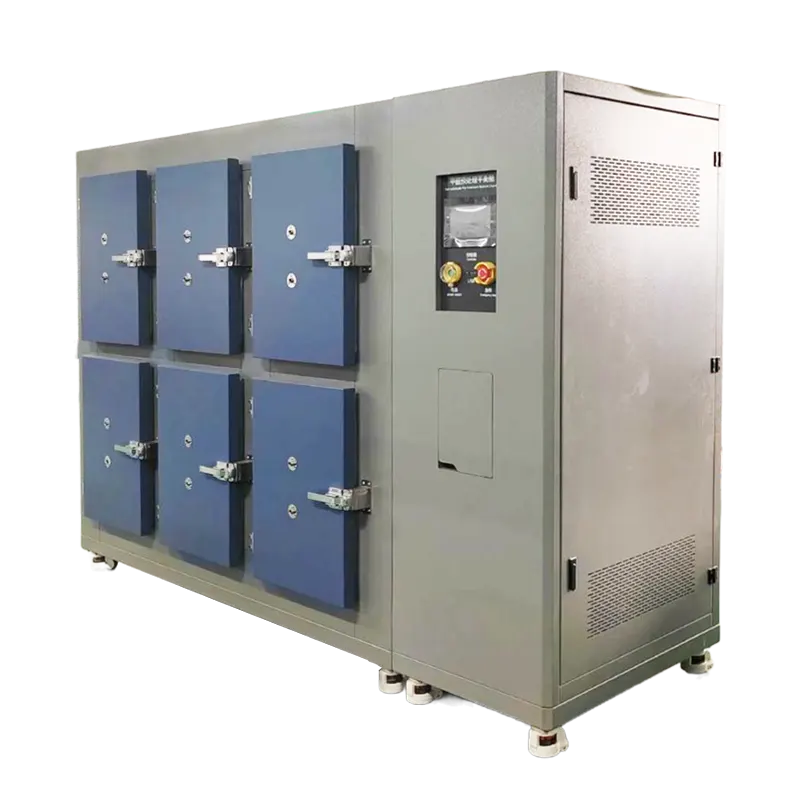
Along with our Battery Forced Internal Short Circuit Tester, we offer a range of complementary equipment to cover all your battery safety testing needs. Our thermal abuse chambers are perfect for simulating high-temperature conditions to check battery stability under extreme heat. These chambers work hand-in-hand with the forced internal short circuit test equipment to provide a full picture of battery abuse performance.
We also supply other essential devices like external short circuit testers, nail penetration testers, and battery pack testing systems. These tools help you verify battery safety from different angles, ensuring your lithium-ion cells and packs meet strict industry standards.
By using our integrated suite of battery safety testing equipment, including the thermal abuse chamber, you can streamline your testing process and maintain consistent, reliable results tailored for the U.S. market’s demanding requirements.
Customer Testimonials and Case Studies
Our Battery Forced Internal Short Circuit Tester has earned strong praise from battery manufacturers across the U.S. Here’s what some of our clients are saying:
- Improved Safety Validation“Using Derui’s FISC Tester helped us catch internal cell issues early, making our safety tests more reliable and consistent.” – Battery R&D Lead, California
- Consistent Test Results“The precision force control and real-time data monitoring gave us confidence in our quality checks during production.” – Quality Manager, Texas
- Customizable and User-Friendly“Derui’s customization options fit perfectly with our prismatic cell lineup. The touch-screen interface made operator training quick and easy.” – Lab Supervisor, Michigan
- Support That Stands Out“We appreciate the prompt technical support and training provided, which keeps our tests running smoothly without downtime.” – Production Engineer, Ohio
These success stories reflect how our Battery Internal Short Circuit Test Equipment supports safer, more reliable lithium-ion cell manufacturing and quality control in today’s competitive U.S. market.
Contact and Inquiry
Ready to learn more about our Battery Forced Internal Short Circuit Tester? Whether you need a quote, technical advice, or want to schedule a demo, we’re here to help. Reach out anytime for:
- Quote Requests: Get tailored pricing based on your testing needs and cell types.
- Technical Consultations: Speak with our experts to find the best setup and ensure compliance.
- Product Demos: See our Forced Internal Short Circuit (FISC) Tester in action and understand its full capabilities.
Contact us today to discuss your battery safety testing requirements and discover how our equipment can support your business.
Download Section: Brochure, Spec Sheets, Compliance Certificates
Get all the documents you need to evaluate the Derui Battery Forced Internal Short Circuit Tester right here. Download our detailed brochure to understand the core features and benefits. Access the full spec sheets for technical details like force ranges, temperature settings, and data acquisition rates. You’ll also find compliance certificates verifying standards such as IEC 62133-2, JIS C 8714, and IEC 62619, so you can trust it meets industry safety and performance requirements.
Everything you need for your evaluation, procurement, or certification process is organized and ready for quick download.