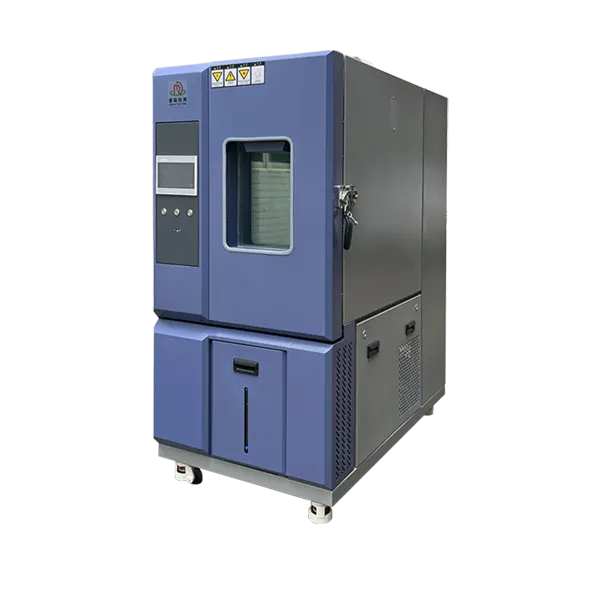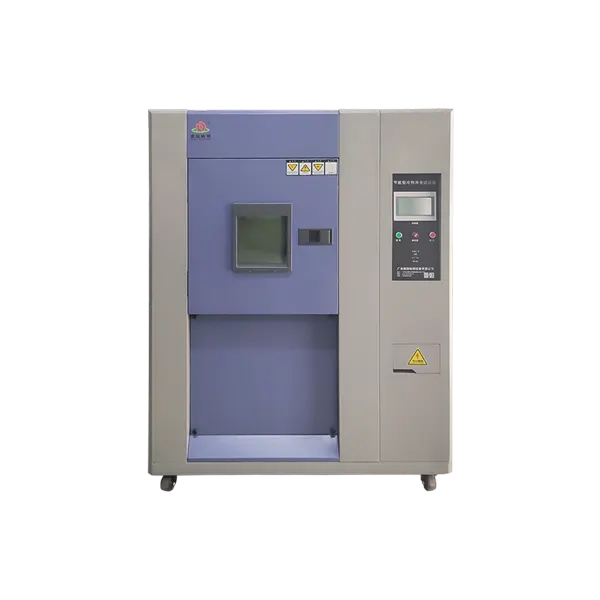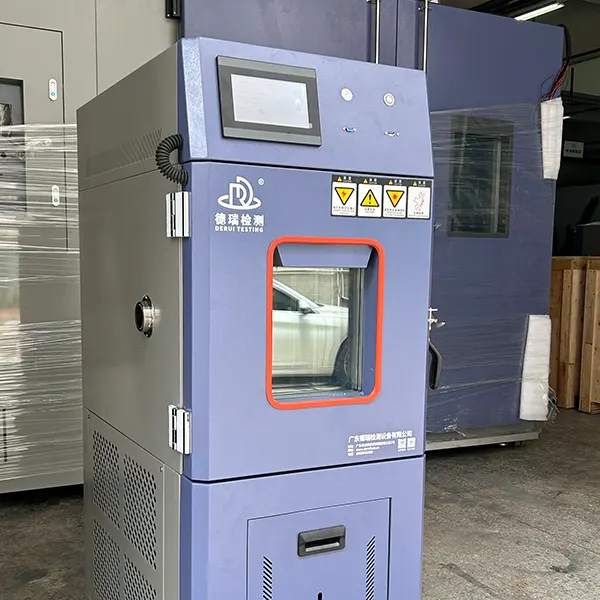



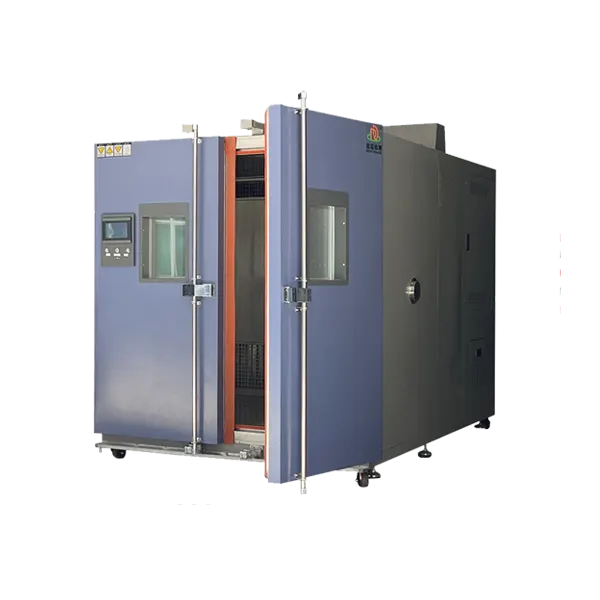
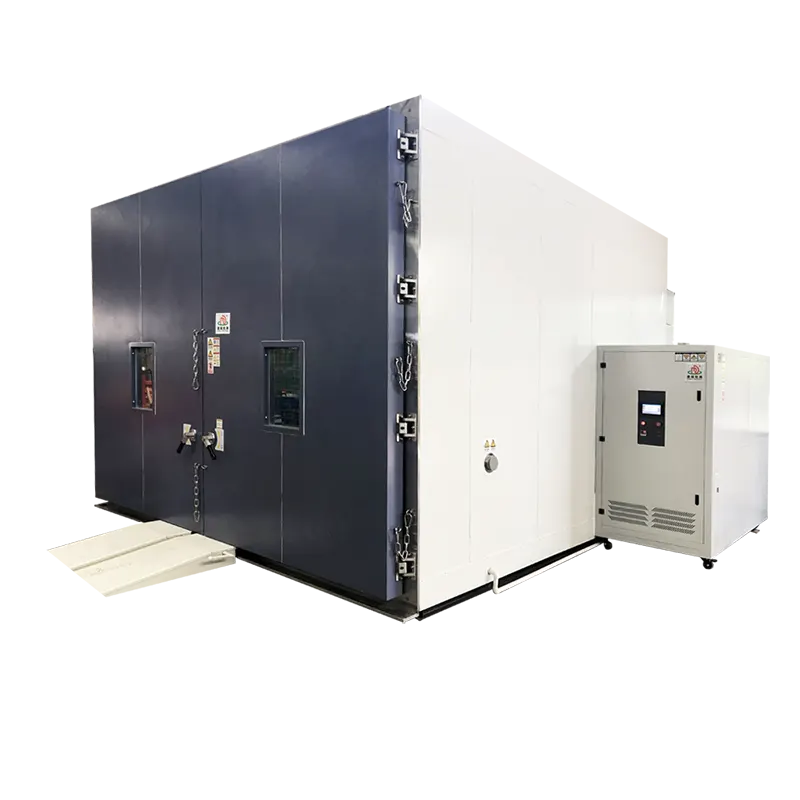
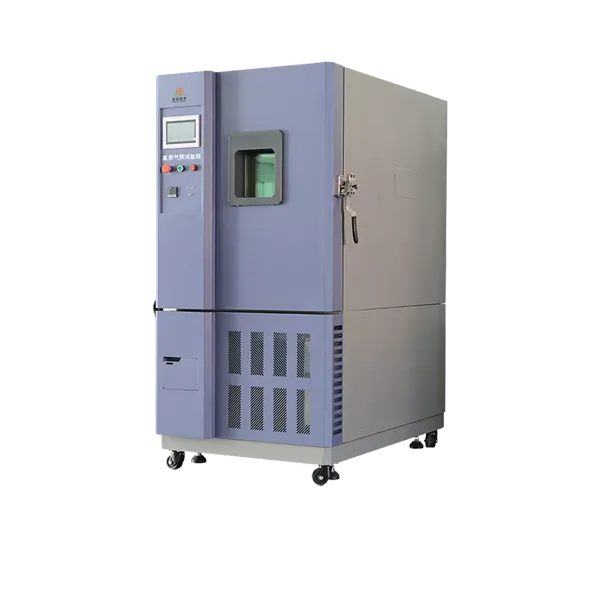
50 L · DR-H201-50L · TEMPERATURE TESTING
Match a compact chamber to your specimen and temperature profile
Review the sample, fixtures and test sequence together before choosing a 50 L chamber. The DR-H201-50L is intended for cold, dry-heat and temperature-change testing of small components and assemblies.
APPLICATION FIT
Temperature exposure for components and small assemblies
Cold and dry-heat dwells
Define low- and high-temperature holding conditions for storage evaluation, material response or operational checks.
Temperature cycling
Specify the ramp and dwell sequence, including the number of cycles and when specimen measurements must be taken.
Powered sample evaluation
Provide the heat generated by the sample during operation so the proposed cooling capacity can be reviewed against the test profile.
Need humidity control or a defined thermal-shock procedure? Include that requirement in your enquiry so DERUI can review the appropriate equipment. Neither capability should be inferred from this temperature-chamber designation.
WORKSPACE PLANNING
Check the loaded specimen—not volume alone
A 50 L nominal volume is a starting point for selection. The usable arrangement must also accommodate fixtures, cables, sensors and the clearance needed for air circulation. A specimen that fits through the door may still leave too little room for the intended test setup.
- Sample envelope: provide maximum width, depth and height, including connectors and moving parts.
- Batch layout: state the number of samples, shelf arrangement and combined sample-and-fixture mass.
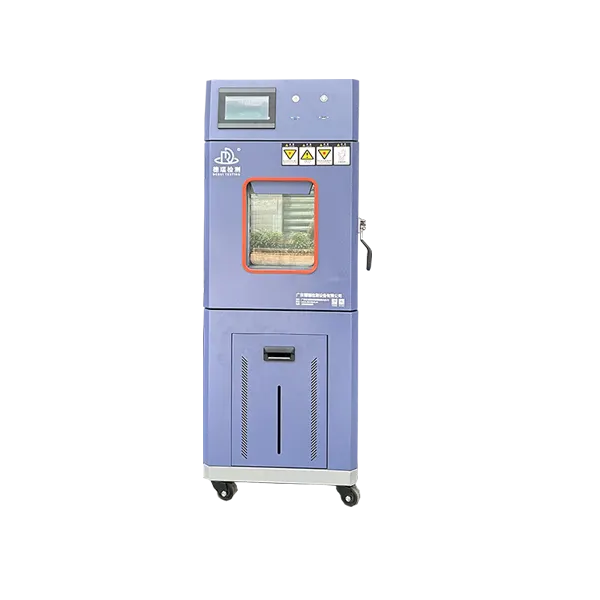
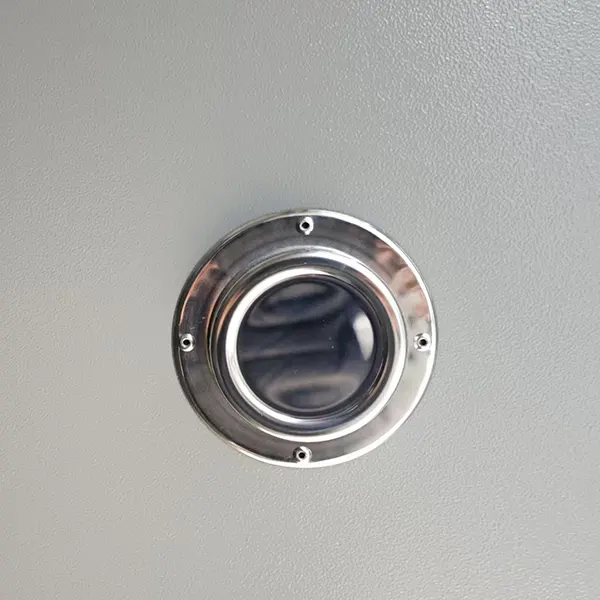
- Connections: identify power leads, measurement cables and the access-port arrangement you need.
Ask for a proposed loading arrangement and internal dimensions before approving the chamber. If the assembly needs more space, compare the temperature test chamber range.
PERFORMANCE REQUIREMENTS
Define the temperature profile under the intended load
For an equipment review, send a time–temperature profile or a list of steps. Include the start temperature, low and high limits, ramp duration, dwell periods and cycle count. Identify whether a dwell starts when the chamber air reaches the setpoint or when the specimen reaches its required temperature.
| Item | Configuration / selection requirement |
|---|---|
| Temperature limits | Required low/high setpoints and dwell tolerances. |
| Change of temperature | Ramp time or rate, start/end temperatures and air or specimen measurement. |
| Sample load | Sample quantity, total mass and maximum heat dissipation during operation. |
| Test records | Sensor positions, recording interval, report format and acceptance criteria. |
For comparable quotations: ask each supplier to state the temperature interval, measurement location and sample load used for any heating or cooling rate. An air-temperature rate and a specimen-temperature rate describe different performance requirements.
EQUIPMENT CONFIGURATION
Specify the controls, access and records your test needs
Programs and operation
Describe the number of steps, repeat cycles and operator access requirements. Ask to review the proposed controller and an example program.
Logging and export
Specify which temperatures must be recorded, the logging interval and file format. Confirm the proposed interface and software scope.
Specimen access
Confirm shelves, cable ports, sensor routing and door access against the actual assembly and installation location.
For powered specimens, discuss an independent temperature limit, alarm response and any required sample-power interlock. Confirm the supplied protection functions in the order specification. General temperature control does not establish suitability for hazardous sample testing.
BEFORE PURCHASE
Agree the test and acceptance scope
Send the exact test method, edition and procedure if your programme follows a standard or customer specification. The review should connect those conditions to the selected equipment, sample arrangement and required temperature tolerances.
Before ordering, request the model-specific specification, dimensional drawing, utility requirements and agreed acceptance record. State whether acceptance will use an empty chamber or a representative load, where sensors will be located, and which test points will be demonstrated.
Request a DR-H201-50L configuration review
Send your specimen dimensions and mass, batch quantity, temperature profile, powered heat load, required records and destination power supply. Include a drawing or photograph if the fixture or cable layout affects the available space.