


BATTERY CLIMATE · EXTERNAL CYCLING · SAFETY-LED INTEGRATION
Test the Battery Under Climate Stress—Without Disconnecting Its Real Operating System
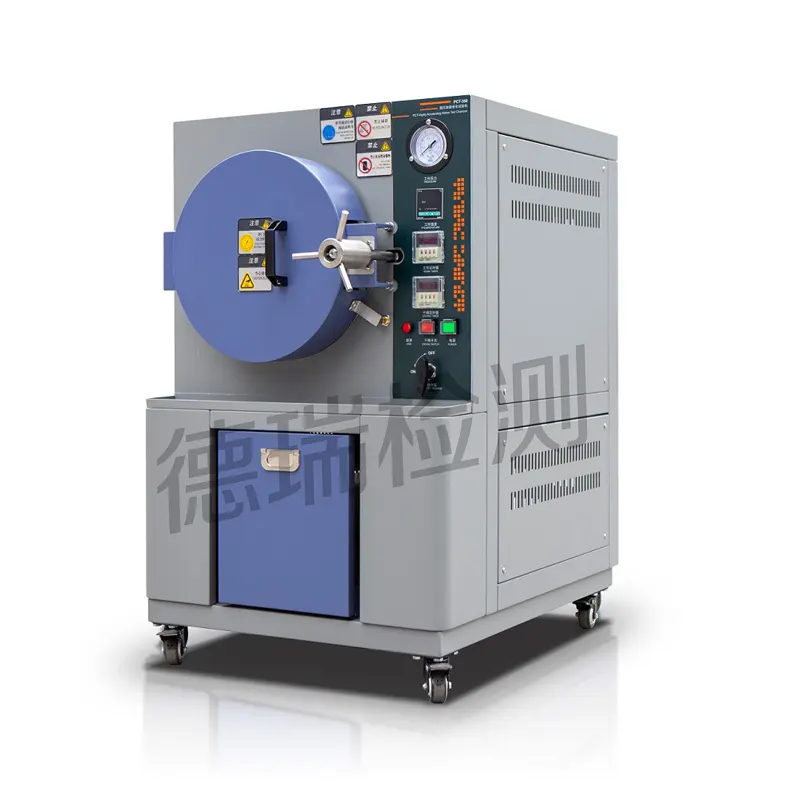
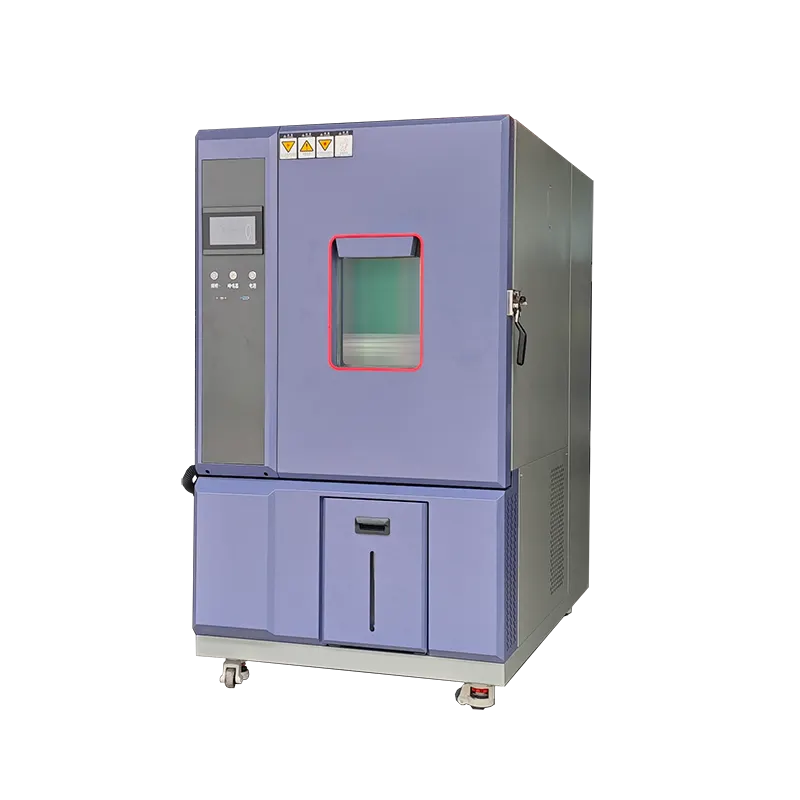
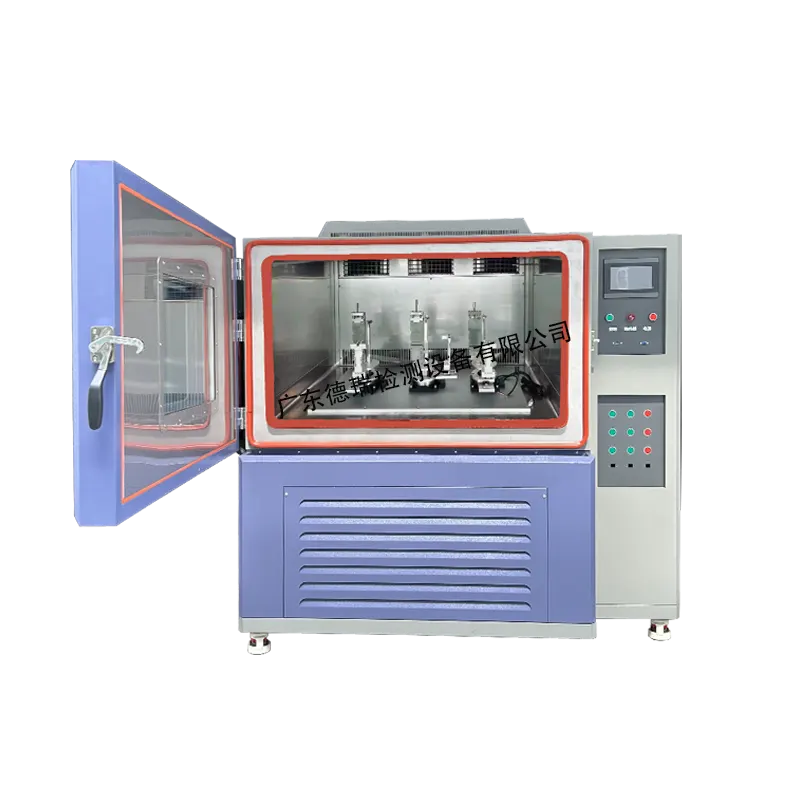
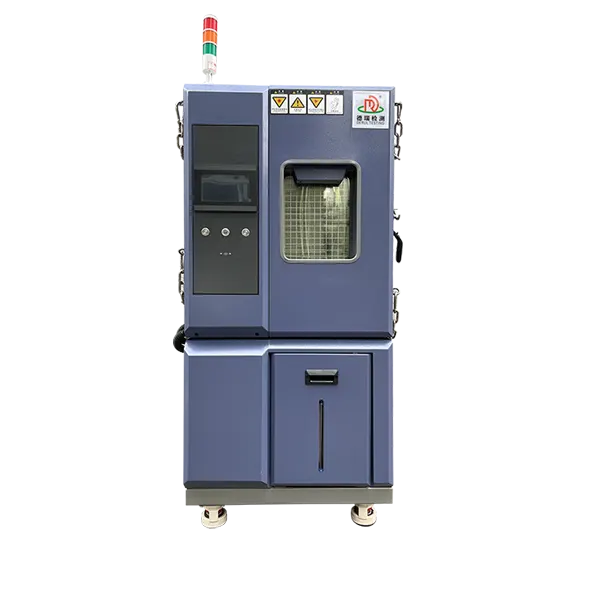
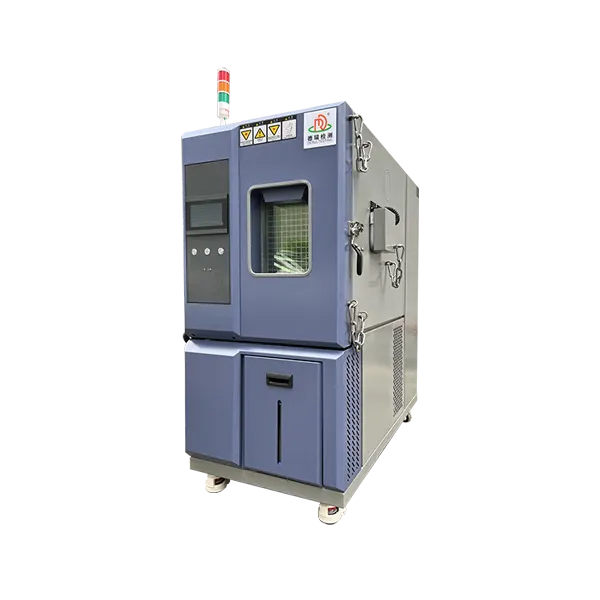
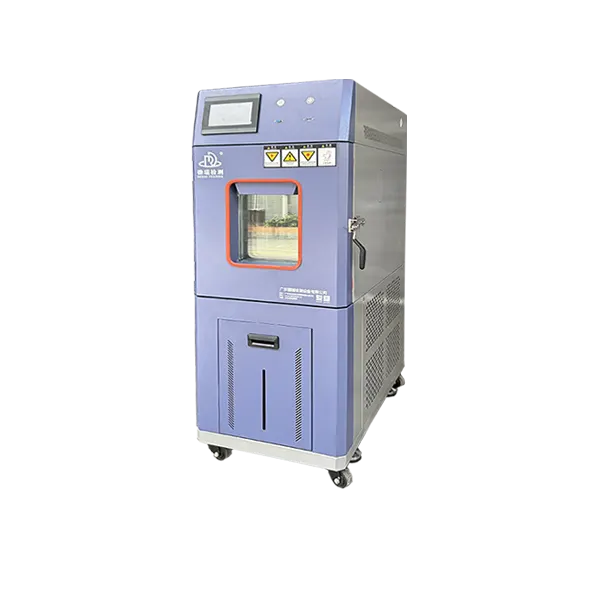
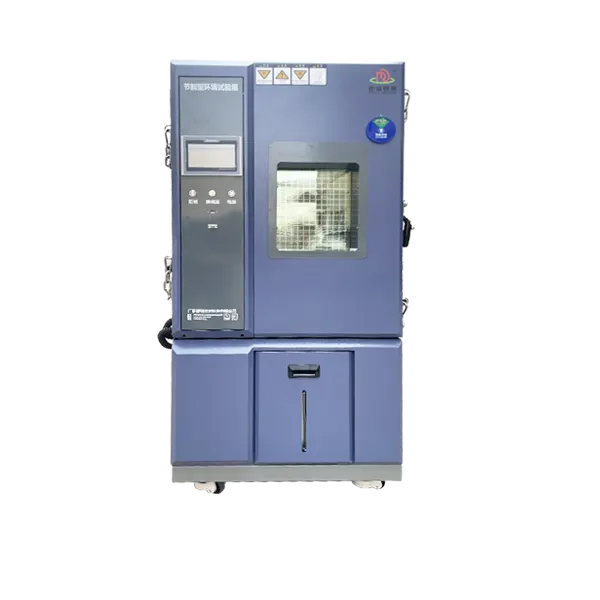
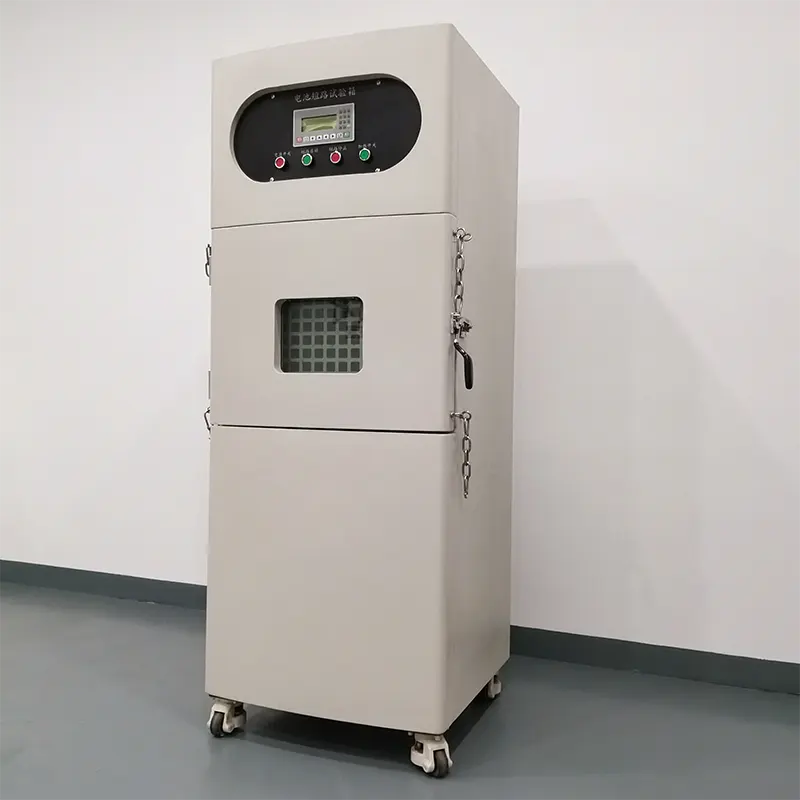
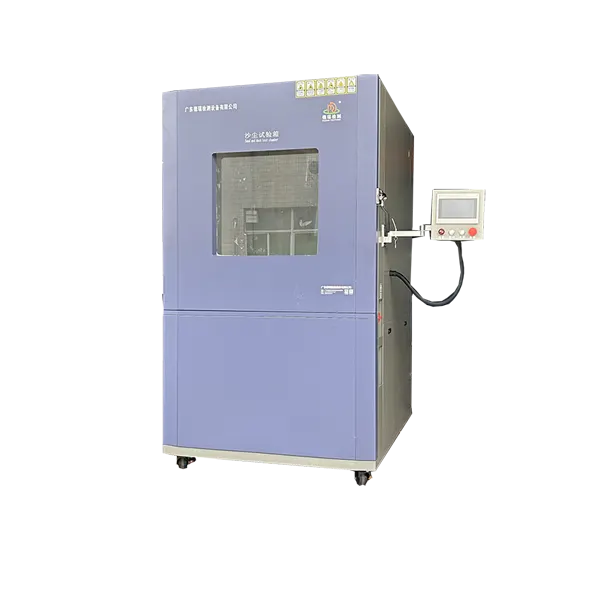
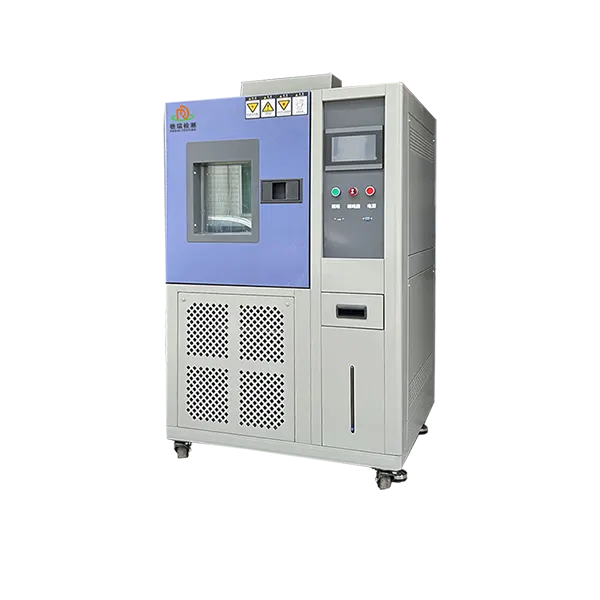
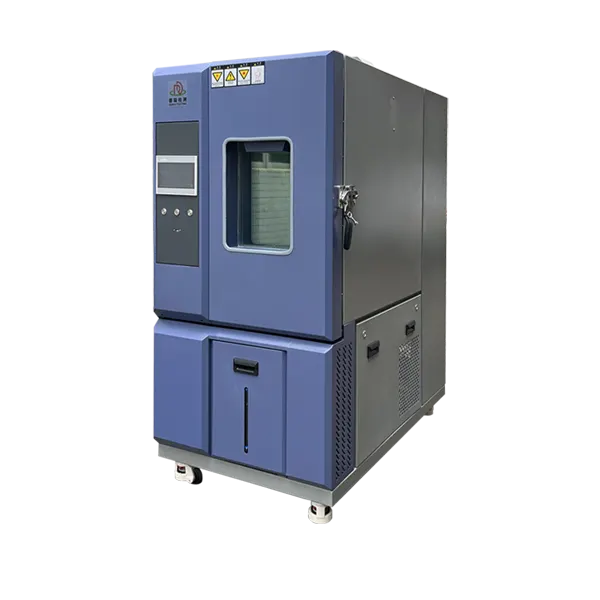
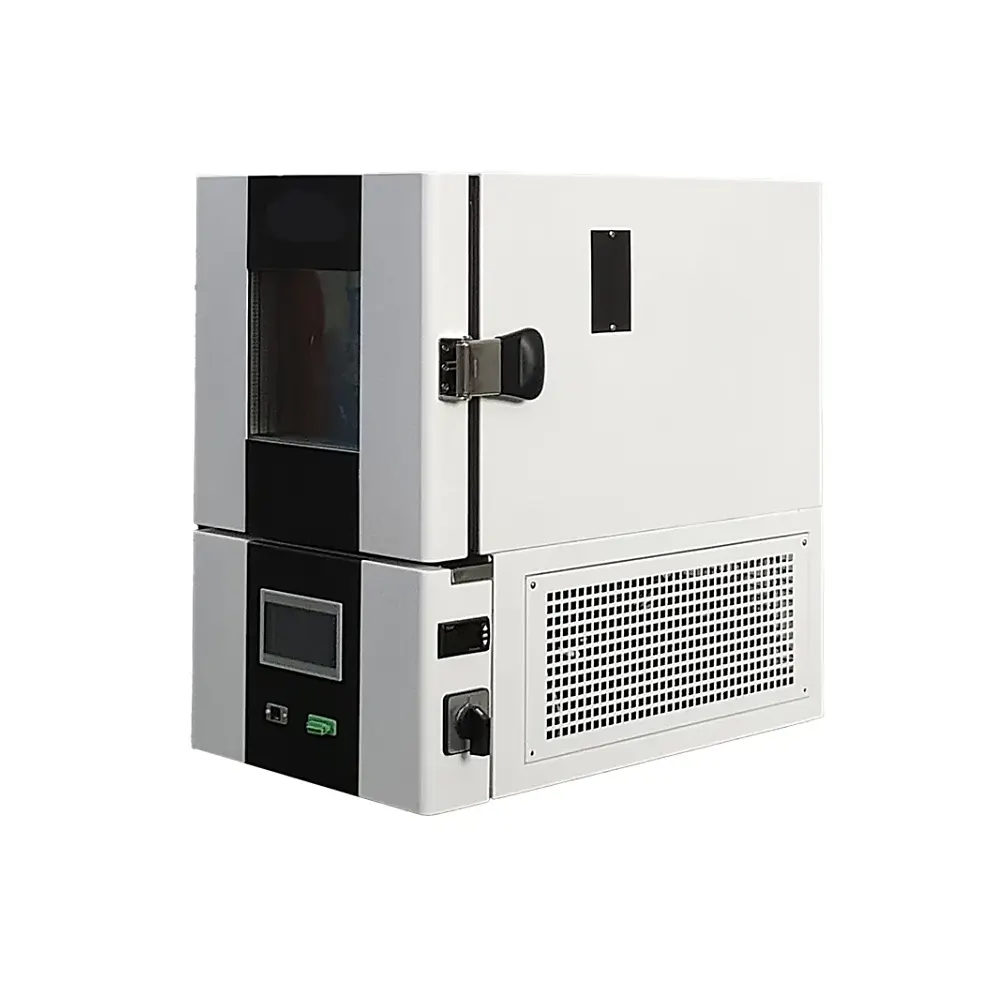
A DERUI battery environmental test chamber controls temperature and, where required, humidity around lithium-ion cells, modules or packs while routing power, BMS, sensor, coolant and monitoring connections to external equipment. It is selected around the specimen, heat load, test profile and facility safety plan.
Cells to packs
Workspace and loading designed around the actual specimen and fixture.
External cycling
Engineered ports for cycler, voltage, current, BMS and sensor connections.
Safety by hazard
Relief, detection, exhaust and interlock scope matched to the planned test.
What This System Is Designed to Do
Use this system when climate exposure and active battery operation must be considered together. The chamber supplies the controlled environment; the external cycler, BMS and data system apply electrical loading and record the battery response.
| Programme | What must be defined |
|---|---|
| Temperature performance | Setpoints, transitions, dwell, specimen heat dissipation and operating state. |
| Humidity exposure | Required points, condensation limits and whether the specimen is energized. |
| Charge/discharge cycling | Maximum voltage, current, heat load, cable routing and emergency shutdown logic. |
| Thermal-management study | Coolant lines, flow conditions, connectors and measurement channels. |
| Safety or abuse programme | State of charge, hazard assessment, exhaust strategy, detectors and event response. |
For temperature-only battery profiles, see the Battery Temperature Test Chamber. For a forced internal short-circuit method, use the battery forced internal short-circuit tester rather than treating a climate chamber as a method-specific abuse machine.
Plan the Complete Battery Interface
Electrical
Charge/discharge cables, voltage and current measurement, BMS/CAN and interlock contacts.
Thermal
Thermocouples, coolant supply and return, specimen support and insulation requirements.
Safety monitoring
Temperature, smoke or gas monitoring selected for the project hazard assessment.
Facility connections
Power, exhaust, drainage, cooling, emergency stop and service access.
Every penetration affects sealing, heat transfer and cable movement. State the cable count, conductor size, maximum current, connector type, coolant routing and measurement requirements before the chamber layout is frozen.
Specify Safety Functions from the Test Hazard
Battery testing may involve heat, smoke, flammable gas, electrolyte release or pressure. The right safeguards depend on chemistry, stored energy, state of charge, operating mode and test severity—not on a generic label.
| Safety decision | Project information needed |
|---|---|
| Pressure relief and exhaust | Expected event, route, facility limits and make-up-air approach. |
| Detection and alarms | Required temperature, smoke or gas channels and alarm escalation. |
| Cycler shutdown | Interlock contacts, trip logic, safe state and reset procedure. |
| Observation and access | Viewing, remote monitoring, door interlock and permitted access rules. |
| Suppression interface | Facility system boundary, trigger logic and chamber connection scope. |
Terms such as “explosion-proof” should only be used for the specified construction and included safety scope. Request the exact relief, detection, exhaust, interlock and suppression functions in the quotation.
Published Configuration and Project Scope
This page covers a project-configured battery climate system. Published temperature range is -40°C to +80°C; workspace, humidity performance, interfaces, electrical supply and safety package are defined for the ordered project.
| Configuration item | Battery environmental chamber |
|---|---|
| Published climate range | -40°C to +80°C |
| Humidity | Optional, selected for the test profile and operating envelope |
| Specimens | Lithium-ion cells, modules and battery packs |
| Interfaces | Cycler, BMS, sensors, coolant and gas-sampling connections |
| Safety scope | Project-specific relief, detection, exhaust, interlock and suppression-interface options |
| Workspace and power | Engineered around specimen size, heat load, interfaces and site utilities |
Align the Chamber with the Required Battery Programme
Battery standards address different products and objectives. UN 38.3 is a transport-testing framework; IEC 62133-2 addresses portable lithium battery safety; IEC 62660 relates to road-vehicle propulsion cells; ISO 12405-4 concerns pack and system performance. Use the exact edition and clause in the test plan.
The chamber may provide environmental conditions within a wider programme, but it does not independently establish compliance. For altitude transport exposure, see the battery altitude simulation test chamber. For broader equipment routes, return to the battery test chamber category.
What to Send for an Accurate Proposal
| Required input | Why it controls the design |
|---|---|
| Specimen | Cell/module/pack drawing, mass, centre of gravity and mounting. |
| Electrical state | Chemistry, voltage, capacity, state of charge, current and active heat load. |
| Climate profile | Temperature/humidity points, transitions, dwell and required tolerances. |
| Connections | Power, BMS, sensors, coolant, gas sampling and record channels. |
| Safety and site | Hazard plan, exhaust route, utilities, doorway, floor and emergency integration. |
| Acceptance | Required demonstration, data output and FAT documentation. |
A detailed RFQ prevents a chamber being sized from geometric volume alone. The usable climate envelope is affected by active heat load, ports, coolant lines and safety ventilation.
Battery Environmental Chamber FAQs
Can batteries be charged and discharged inside the chamber?
Yes, when the feedthroughs, external cycler, maximum electrical load and safety interlocks are engineered for active testing. Declare the complete load before selection.
Is humidity always required?
No. Add humidity only where the approved programme requires it. Many battery performance and transport profiles are temperature-focused.
Does this chamber comply with UN 38.3?
It can provide environmental conditions used within a programme, but chamber ownership alone does not establish UN 38.3 compliance.
How is this different from a battery temperature chamber?
This page focuses on integrated climate, multiple external interfaces and project-specific safety planning. The temperature chamber page serves temperature-focused applications.
What data should be recorded?
The required records may include chamber conditions, battery voltage/current, temperatures, alarms, interlock events and the test-plan-defined specimen response.
What should be included in the quotation?
Include the specimen drawing, heat load, profile, connection list, safety concept, facility utilities and required acceptance evidence.
START WITH THE BATTERY AND ITS HAZARD PLAN
Define the Chamber Around Your Battery Test.
Send the specimen drawing, active heat load, climate profile, connection list and safety requirements. DERUI will review the required workspace, interfaces and safety scope.