


FLUORESCENT UV · CONDENSATION · MATERIAL DURABILITY SCREENING
Compare UV and Moisture Resistance Before Outdoor Exposure Decides for You
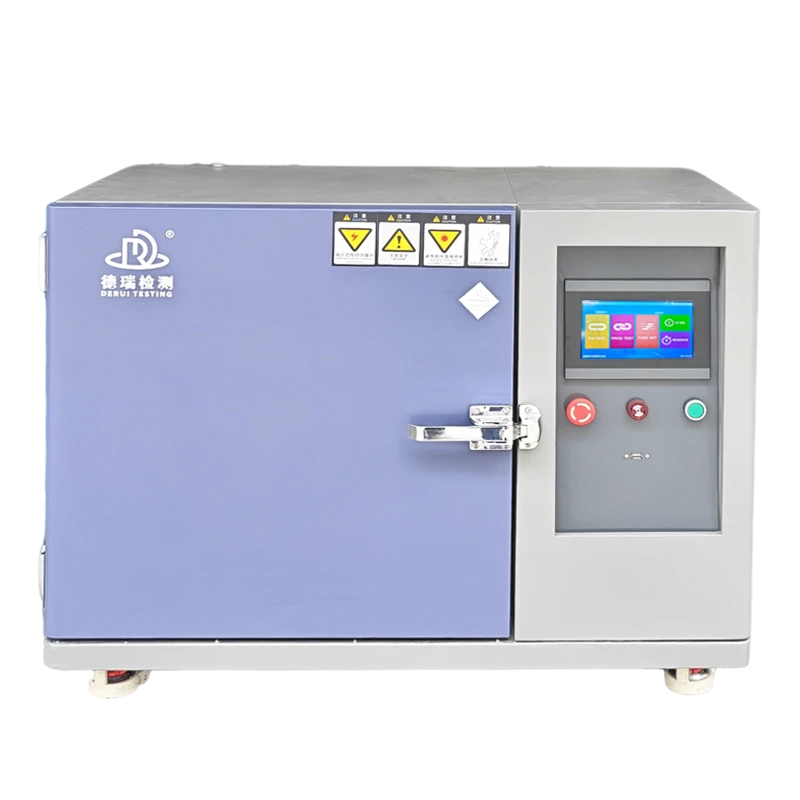
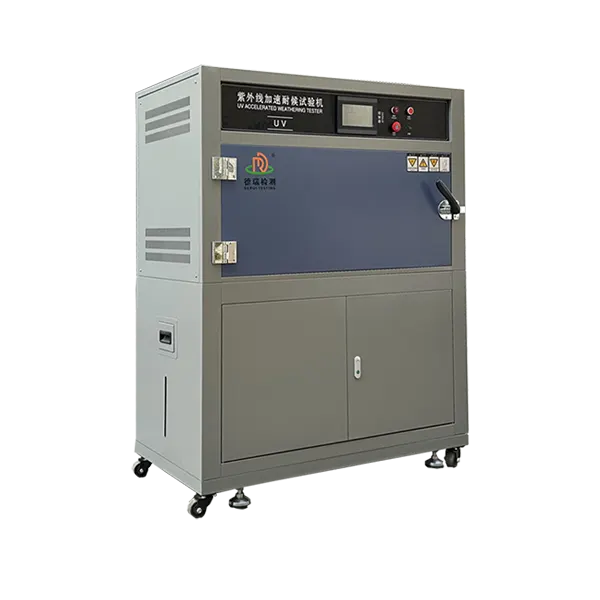
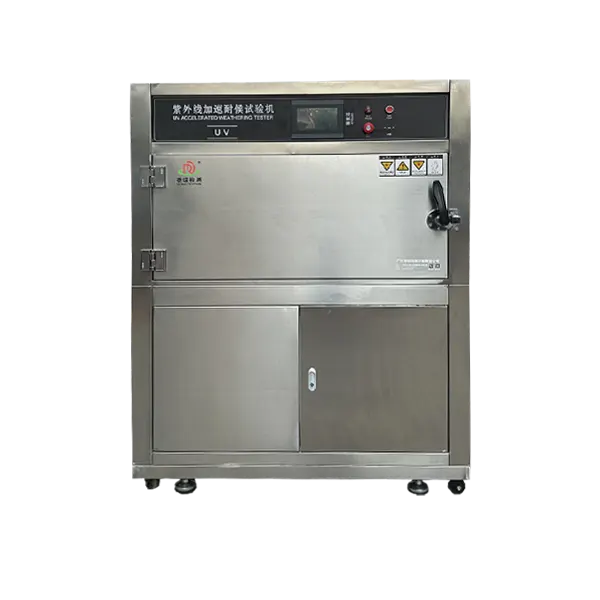
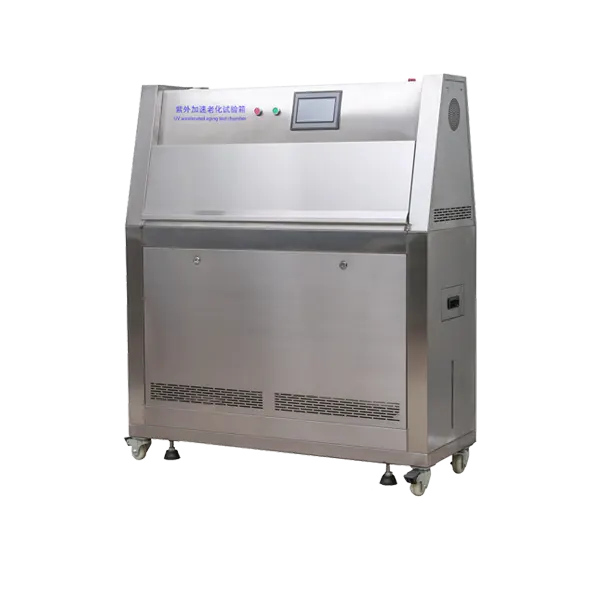
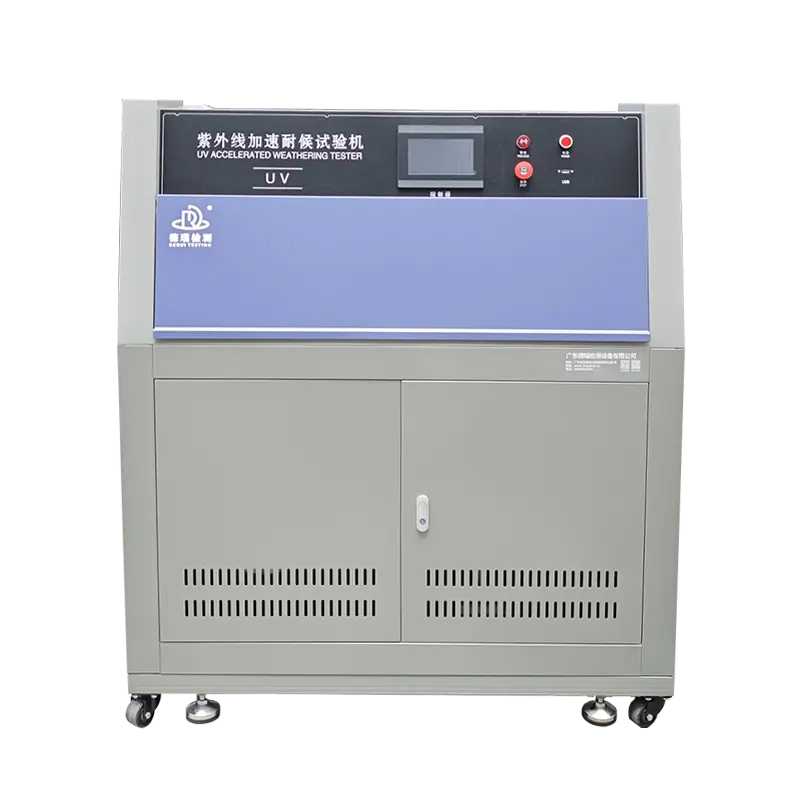
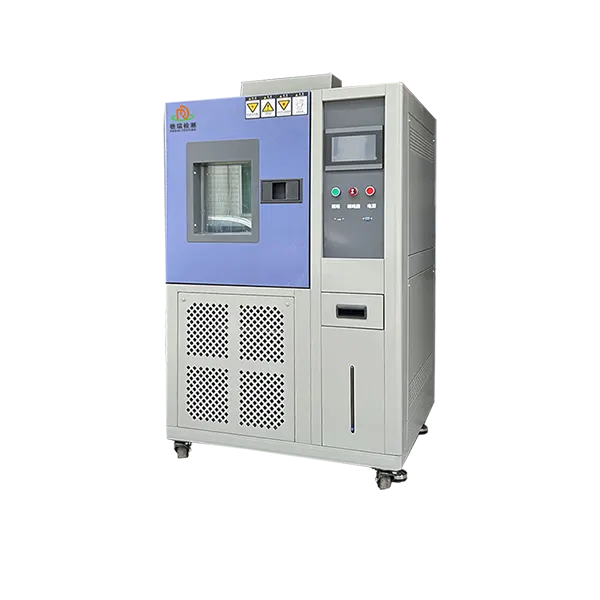
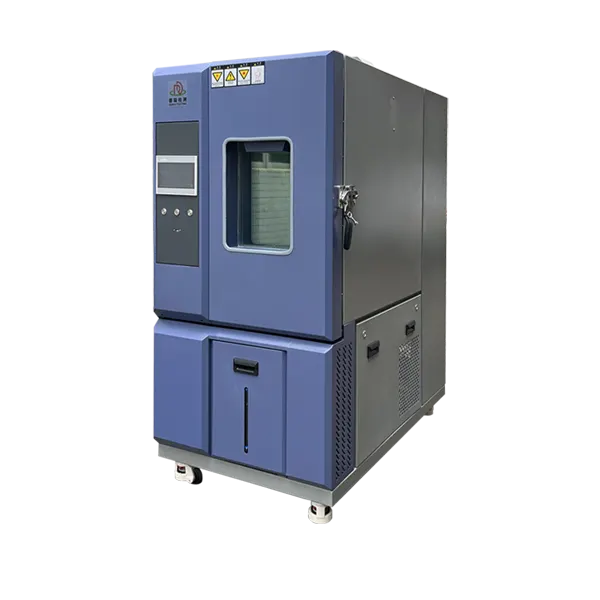
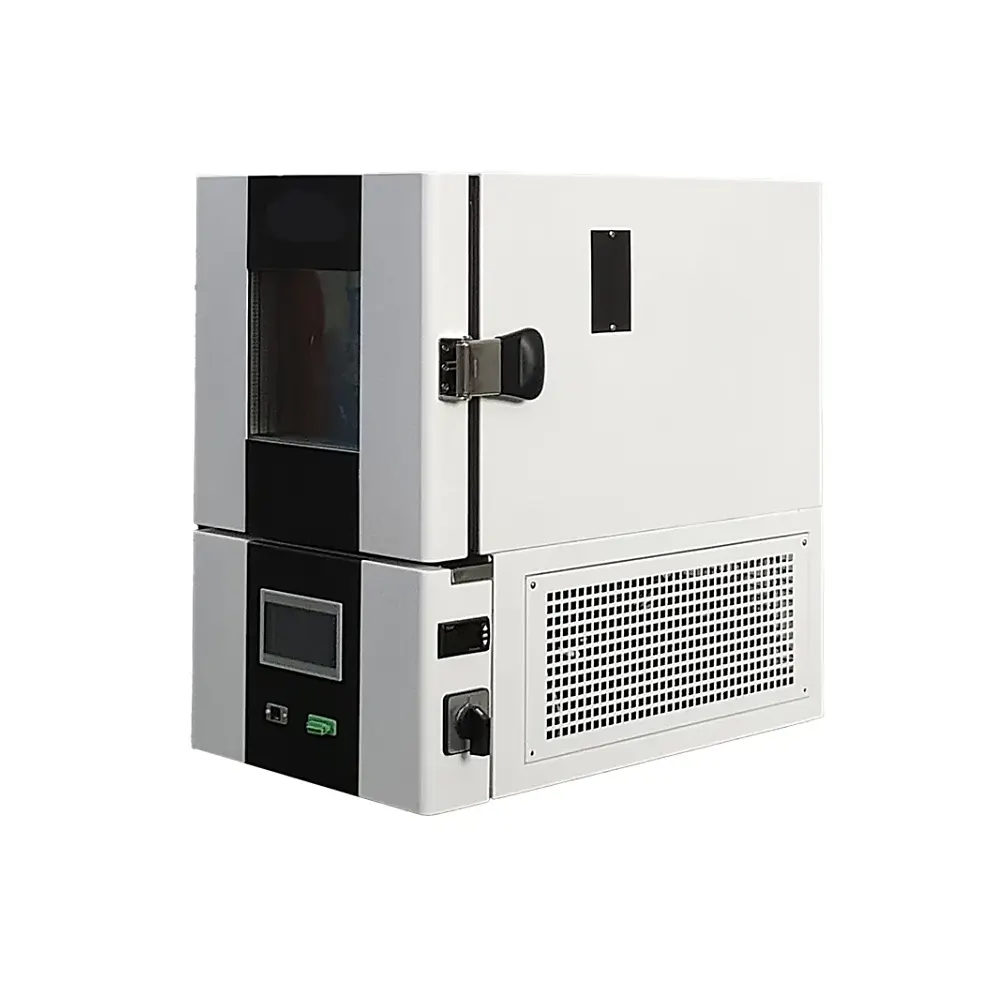
The DERUI DR-H302 UV accelerated weathering tester exposes coatings, plastics, rubber, textiles and related materials to fluorescent UV light, controlled heat, condensation and programmable water spray. It gives laboratories a repeatable way to compare formulation changes, supplier samples and production controls under an approved exposure programme.
Fluorescent UV-A lamps
Eight-lamp exposure system for defined light ageing programmes.
Condensation and spray
Separate moisture stresses for procedures that call for wet exposure.
Up to 48 flat specimens
Choose the holder layout from the sample format and evaluation plan.
What DR-H302 Helps You Compare
UV radiation, heat and moisture can cause fading, chalking, cracking, loss of gloss, embrittlement and other material changes. A controlled chamber lets the laboratory apply the same cycle to a control and comparison samples, then measure the property that matters to the product.
| Project objective | Useful pre-test decision |
|---|---|
| Coatings and paints | Define colour, gloss, adhesion, chalking or cracking endpoint. |
| Plastics and polymers | Define colour change, surface condition or retained mechanical property. |
| Rubber and sealants | Define hardness, cracking, elasticity or appearance measurement. |
| Textiles and outdoor products | Define colourfastness, visual grade and specimen orientation. |
| Supplier or formulation comparison | Retain a control sample and consistent baseline measurements. |
The chamber does not decide pass or fail by itself. The applicable product standard or customer programme defines the exposure cycle, sampling interval, measurements and acceptance criteria.
Choose the Method Before Programming the Chamber
ASTM G154 describes fluorescent UV and water exposure apparatus. ISO 4892-3 addresses fluorescent UV exposure of plastics, while ISO 16474-3 addresses paints and coatings. These references establish a framework, but the material-specific procedure selects the lamp, irradiance, temperature, moisture sequence, duration and evaluation method.
| Method family | Configuration question |
|---|---|
| ASTM G154 | Which listed cycle, lamp, irradiance and water stage applies to the product? |
| ISO 4892-3 | Which plastics procedure and property evaluation are required? |
| ISO 16474-3 | Which coating exposure conditions and visual or performance endpoint apply? |
| Customer / OEM method | Does it require a specified holder, record format, calibration evidence or interruption rule? |
For the detailed test-method explanation, read the UV weathering testing guide. If your objective is broad-spectrum xenon arc exposure rather than fluorescent UV exposure, compare the project with a xenon arc test chamber.
Control the Exposure, Not Just the Timer
Light exposure
Set the lamp, irradiance and exposure duration required by the adopted programme.
Condensation
Create sustained surface wetness for procedures using dew-like moisture exposure.
Water spray
Use a programmed spray stage when the selected procedure specifies it.
Temperature
Record the applicable chamber or panel-temperature condition required by the test plan.
A spray step is not a general claim of rain simulation, and condensation is not the same as a temperature-humidity chamber with a prescribed RH profile. Define the environmental condition from the procedure before selecting the programme.
DR-H302 Technical Parameters
The values below describe the published DR-H302 configuration. The test method determines the lamp, exposure cycle, specimen preparation and evaluation criteria.
| Specification | Published DR-H302 value |
|---|---|
| Model | DR-H302 |
| Cabinet dimensions (W × D × H) | 1300 × 500 × 1460 mm |
| Temperature range | Room temperature to 70°C |
| Temperature fluctuation | ≤ ±1.0°C |
| Temperature uniformity | 3°C |
| Moisture function | Condensation; listed humidity condition ≥75% RH |
| Lamp system | 8 fluorescent UV-A lamps, 40 W each |
| Irradiance range | 0.45–0.90 W/m² |
| Sample distance to lamp | 55 ±2 mm |
| Specimen capacity | 24 pieces at 75 × 290 mm, or 48 pieces at 75 × 150 mm; maximum thickness 5 mm |
| Cycle functions | Programmable exposure, condensation and water spray |
| Timer | 0–999 hours, adjustable |
| Water use | Listed 8 L/day; actual demand follows the selected cycle |
| Protection | Overload, short-circuit, overtemperature, water-shortage, earth-leakage and automatic shutdown protection |
Plan Specimens and Holders Before You Request a Quote
Specimen capacity is meaningful only when each sample fits the holder, receives the required exposure and can be evaluated consistently. Send the dimensions, thickness, quantity and required exposed face with the inquiry.
| Information to provide | Why it matters |
|---|---|
| Sample size and thickness | Confirms whether standard panels fit or a custom holder is needed. |
| Material and surface | Helps identify the appropriate method, lamp and moisture cycle. |
| Quantity and comparison groups | Determines holder allocation for controls, repeats and inspection intervals. |
| Required measurements | Links the exposure programme to colour, gloss, tensile, adhesion or visual evaluation. |
| Water and laboratory utilities | Defines water supply, drainage, power and requested data functions. |
Mount samples consistently, close unused positions as required by the holder system, and record their starting condition before exposure. The same specimen position and baseline method should be used whenever results are compared.
A Repeatable UV Weathering Workflow
1. Define the exposure
Identify the controlled method, material, lamp, cycle and acceptance endpoint.
2. Prepare the samples
Condition, label and record baseline properties before mounting.
3. Verify the chamber
Check water supply, lamp condition, sensor status, programme and protections.
4. Run and record
Document setpoints, interruptions, maintenance events and inspection intervals.
5. Evaluate consistently
Condition exposed samples as required, then compare them with control specimens using the approved measurement method.
Routine lamp management, cleaning and sensor verification support repeatability. Follow the operating instructions and laboratory quality procedure for calibration intervals, maintenance records and handling of abnormal runs.
Fluorescent UV or Xenon Arc?
| Exposure question | Fluorescent UV DR-H302 | Xenon arc equipment |
|---|---|---|
| Primary light source | Fluorescent UV-A lamps | Xenon arc lamp system |
| Typical selection reason | Defined fluorescent-UV, heat and moisture methods | Projects requiring the selected full-spectrum xenon exposure method |
| Avoid this assumption | Do not choose a lamp merely because it damages faster | Do not treat it as interchangeable with fluorescent UV |
| Next page | UV chamber solutions | xenon chamber solutions |
Select the apparatus from the required method and material objective. Neither technology can establish an outdoor-life number without a product-specific correlation.
DR-H302 UV Weathering Tester FAQs
Can DR-H302 prove how many years a material will last outdoors?
No. Accelerated exposure hours are not a universal conversion to outdoor years. Use results for comparison and qualification unless a validated correlation exists for the exact material and exposure environment.
Does ASTM G154 specify one cycle for every material?
No. The selected procedure and product requirement determine the lamp, irradiance, temperature, moisture sequence, duration and evaluation method.
Is condensation the same as controlled relative humidity?
No. Condensation creates surface wetness. It is different from a temperature-humidity chamber operating to a specific RH profile.
When is water spray used?
Use it when the adopted procedure specifies a spray stage. Include the required timing and water quality in the test plan.
How many specimens can be loaded?
The published configuration lists 24 specimens at 75 × 290 mm or 48 at 75 × 150 mm, maximum 5 mm thick. Final loading depends on holder layout and required exposure.
What should an RFQ include?
Send the standard and edition, material, specimen dimensions and quantity, lamp and cycle requirement, evaluation endpoint, water/drainage needs, electrical supply and requested records.
PLAN A REPEATABLE WEATHERING PROGRAMME
Send the Method. Define the Right UV Exposure.
Share your material, specimen drawing, applicable method, required cycle and evaluation target. DERUI can review the holder, control functions and laboratory connections for a DR-H302 proposal.