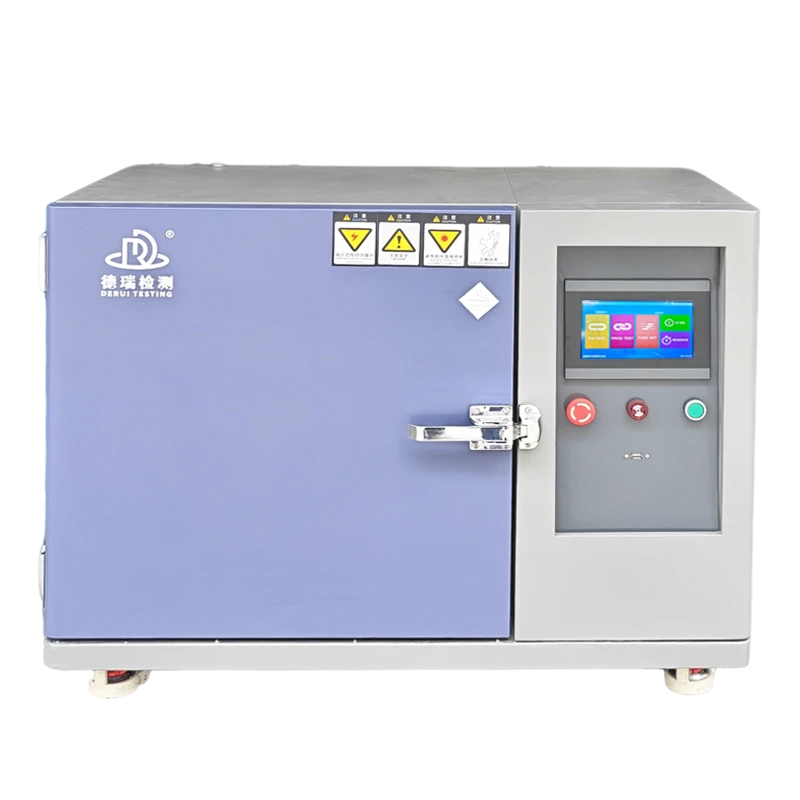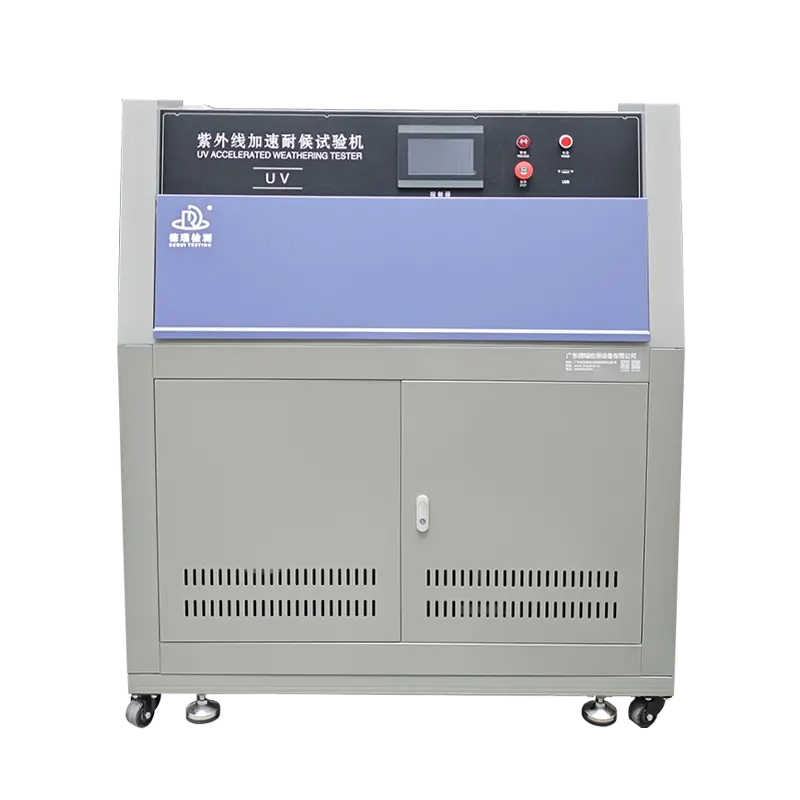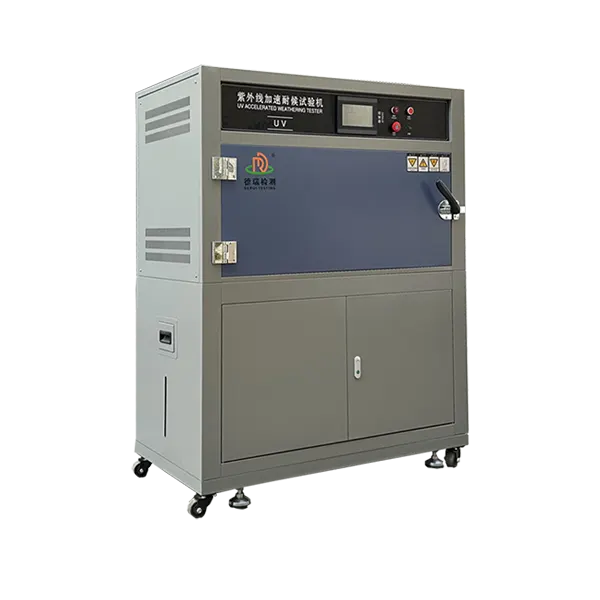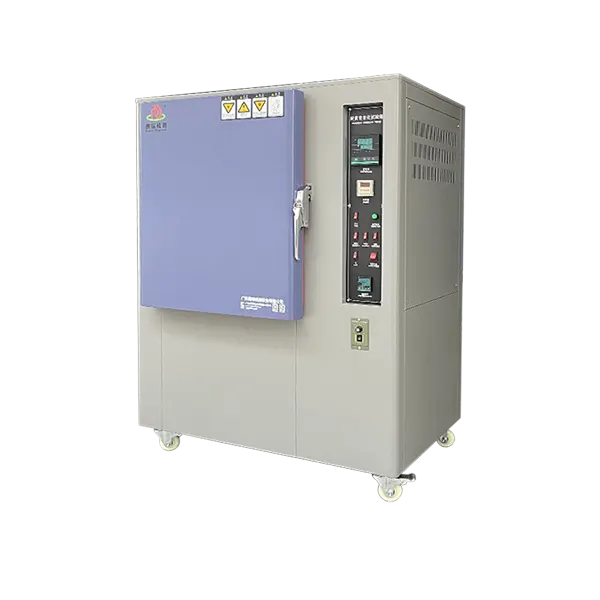



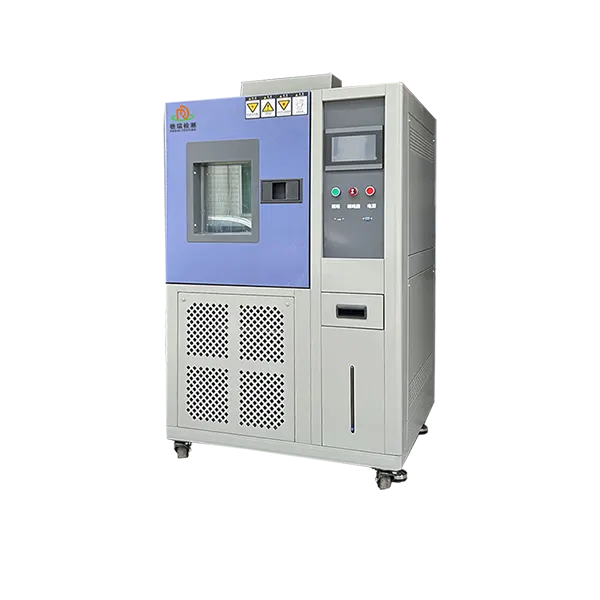
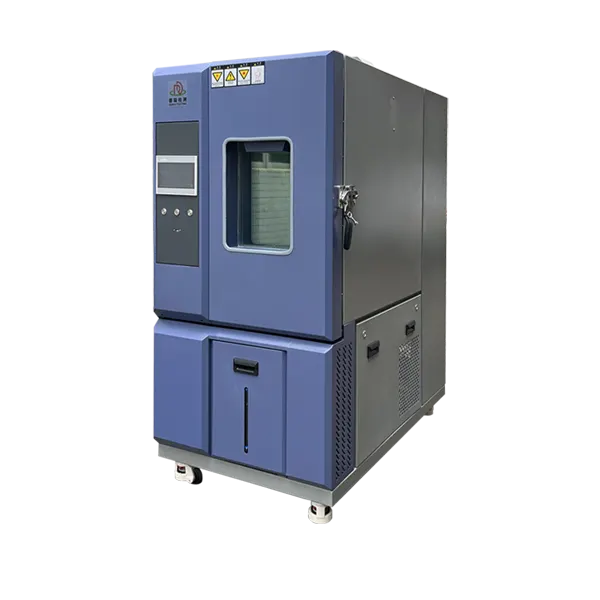
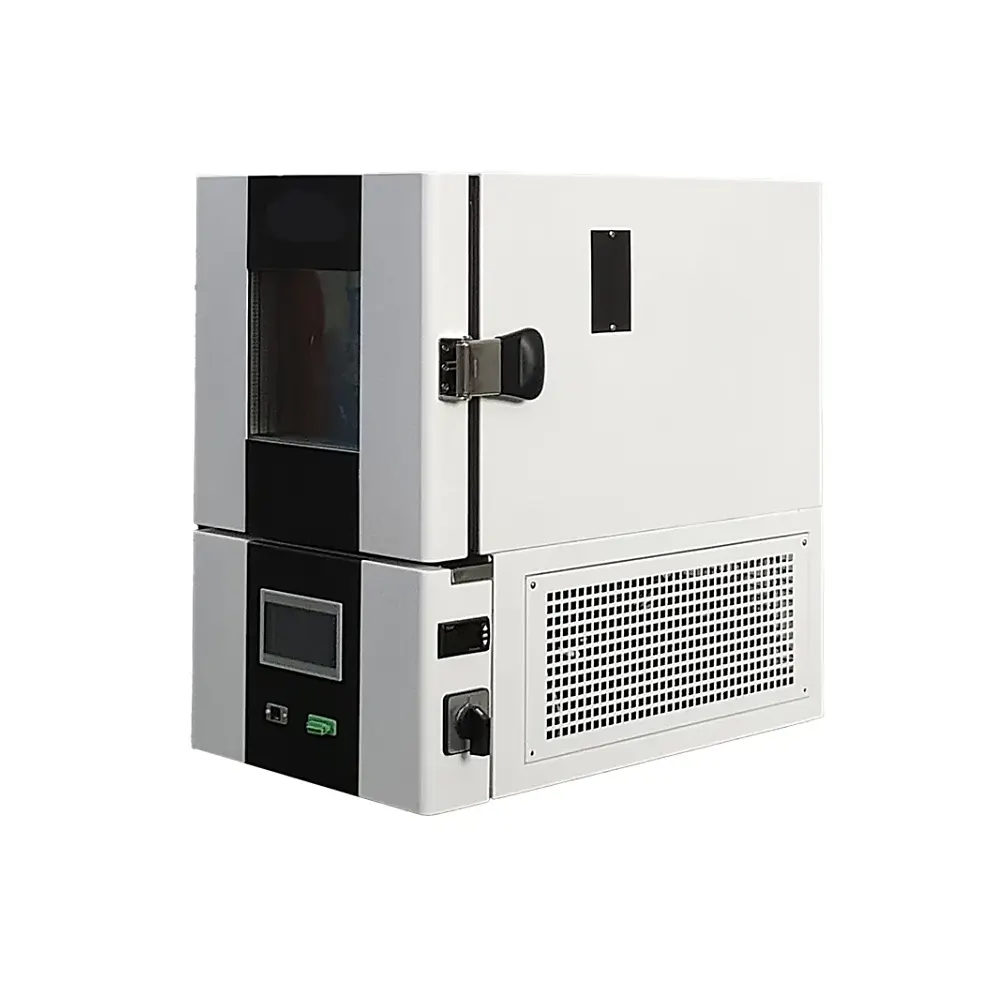
Configure the Equipment Around Your Material and Exposure Method
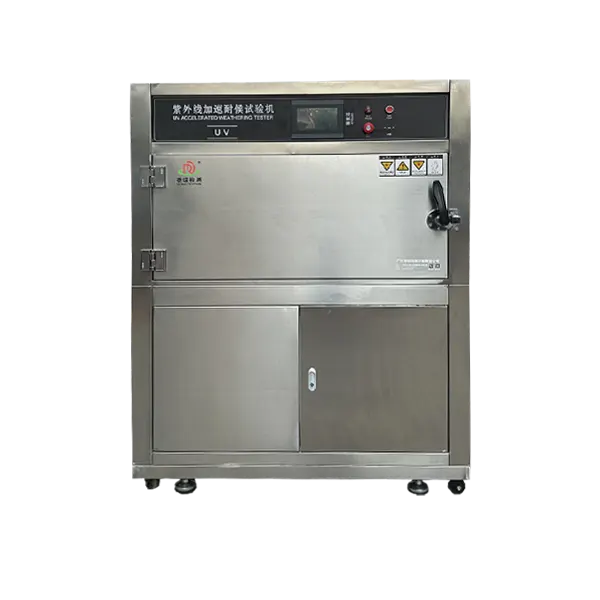
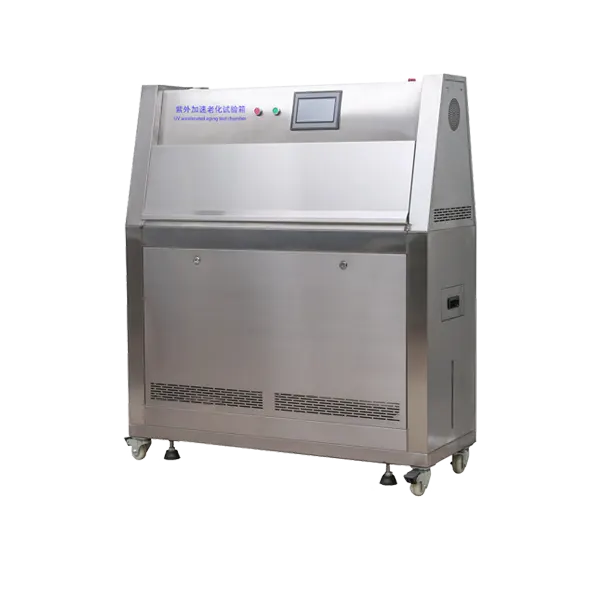
The DERUI UV accelerated aging chamber provides a controlled environment for fluorescent UV weathering tests. Depending on the ordered configuration, the system manages UV exposure, specimen temperature, condensation and water spray in repeatable programmed cycles.
It is intended for laboratories comparing plastics, coatings, rubber, sealants and other materials under an approved fluorescent UV method. Send the required cycle and specimen layout so the lamp, holder, water, controller and reporting functions can be confirmed in a model-specific quotation.
Where This UV Aging Chamber Fits
Choose this equipment when the test plan calls for fluorescent UV lamps combined with controlled heat and moisture. Common work includes material comparison, formulation screening, production consistency checks and qualification against a customer or product specification.
| Requirement | Equipment direction | Confirm before quotation |
|---|---|---|
| Fluorescent UV with condensation or spray | UV accelerated aging chamber | Lamp, irradiance basis, cycle, temperatures and specimen arrangement |
| Filtered xenon-arc exposure | Xenon chamber | Filter system, irradiance control, climate and wetting procedure |
| A published DERUI fluorescent UV model | DR-H302 UV tester | Model dimensions and ordered functions in the current technical offer |
ASTM G154 and ISO 4892-3 describe fluorescent UV apparatus and exposure methods, but the material or customer document must define the actual programme and evaluation. See the UV standard selection guide when the light source has not yet been chosen.
Equipment System and Configurable Functions
Select the lamp designation required by the material method. Confirm lamp quantity, arrangement, replacement method and irradiance measurement basis in the quotation.
Specify the required control wavelength or band and the applicable black-panel, black-standard or air-temperature reference.
Configure the moisture functions called for by the selected cycle. Confirm water quality, supply, drain, refill and low-water protection.
Store light, dark and moisture steps with their timing and setpoints. Review programme capacity, permissions and interruption recovery.
Confirm door interlock, alarm handling, over-temperature protection and maintenance access for the ordered configuration.
Define the required trend channels, timestamps, alarms, export format, user access and optional remote functions.
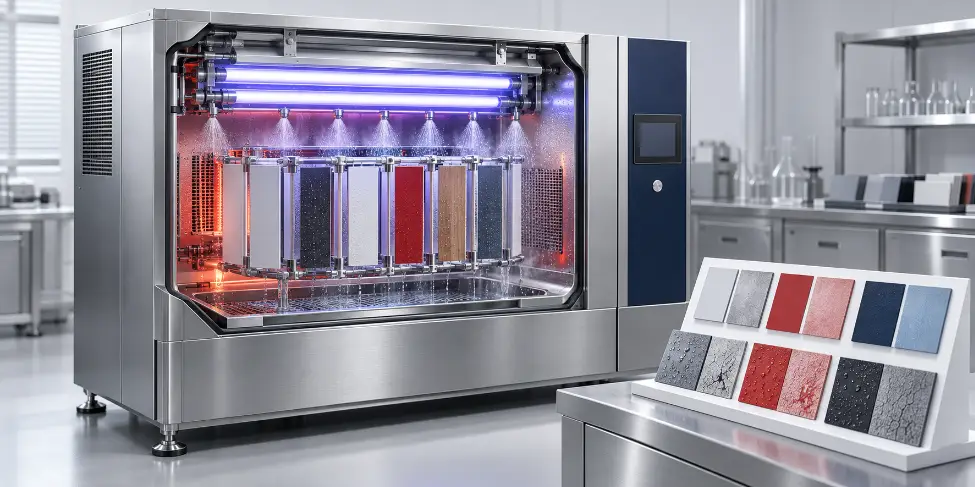
Choose the Chamber and Holders From the Specimen Layout
Usable capacity depends on exposed area and holder geometry. Provide specimen dimensions, thickness, quantity and the surface that must face the lamps. Include control materials and the groups removed at scheduled evaluation intervals.
- Flat panels: confirm exposed area, backing, orientation and masked edges.
- Thick or shaped parts: provide a drawing so the supplier can review depth, distance from lamps and custom support.
- Multiple evaluation intervals: reserve separate specimens or define how removed pieces affect remaining positions.
- Unused positions: follow the holder and blank-panel arrangement required for controlled chamber operation.
Controller, Monitoring and Long-Run Operation
The controller should reproduce the approved sequence and preserve records needed by the laboratory. Define these functions in the purchase specification rather than assume they are included with every controller option.
| Function | Buyer input | Supplier evidence |
|---|---|---|
| Programme control | Cycle steps, setpoints, tolerances, transitions and duration | Sample programme and control-screen review |
| Trend records | Required channels, interval, file type and retention | Sample export with timestamps and units |
| Fault response | Alarm notification, shutdown and test-resumption rules | Alarm list and interruption/recovery demonstration |
| Maintenance | Lamp, sensor, cleaning and water-system schedule | Maintenance instructions and consumables list |
Configure the Product for Your Test Programme
Send the following information so DERUI can identify the suitable model and included options. The resulting technical offer should state the exact performance, dimensions and accessories for the ordered chamber.
Standard, edition, lamp, irradiance, temperatures, moisture and endpoint.
Material, dimensions, shape, quantity, holders and control materials.
Intervals, groups removed, measurements and acceptance criteria.
Programme, export, alarms, permissions, calibration and communications.
Supervision, maintenance access, consumables and expected utilization.
Voltage, water supply and quality, drain, ambient conditions and access route.
Confirm the Delivered Scope and Acceptance Checks
The final quotation should identify the chamber model, lamp and holder system, moisture functions, sensors, controller, protection devices, communications, utilities, accessories and documentation. Agree which checks DERUI will perform before shipment.
- Review the method-to-capability matrix for the ordered configuration.
- Approve the specimen-holder and installation drawings.
- Define temperature and irradiance verification points and tolerances.
- Confirm programme operation, alarms, door protection and water-system response.
- Inspect sample trend data and the requested export format.
- Record calibration scope, manuals, spare parts, training and handover documents.
Equipment acceptance demonstrates the chamber functions agreed in the order. Product qualification still requires the actual specimens, approved procedure and specified evaluation criteria.
Configure the UV Chamber Before Quotation
Send the method and edition, full exposure cycle, specimen drawing, required records and laboratory utilities. DERUI can prepare the model-specific technical offer.