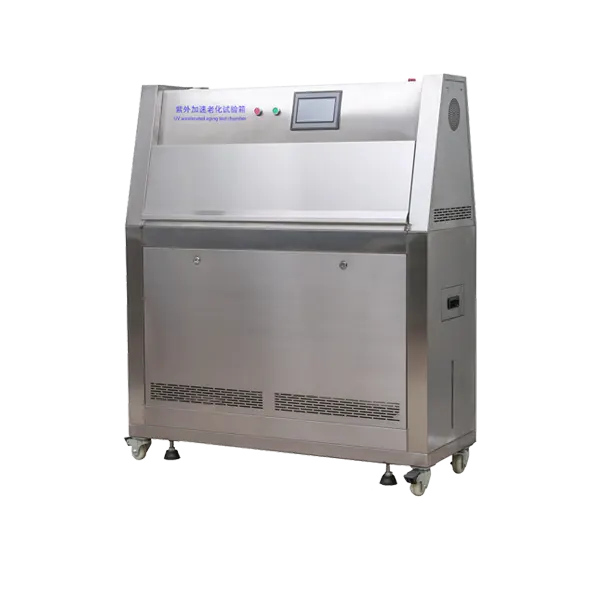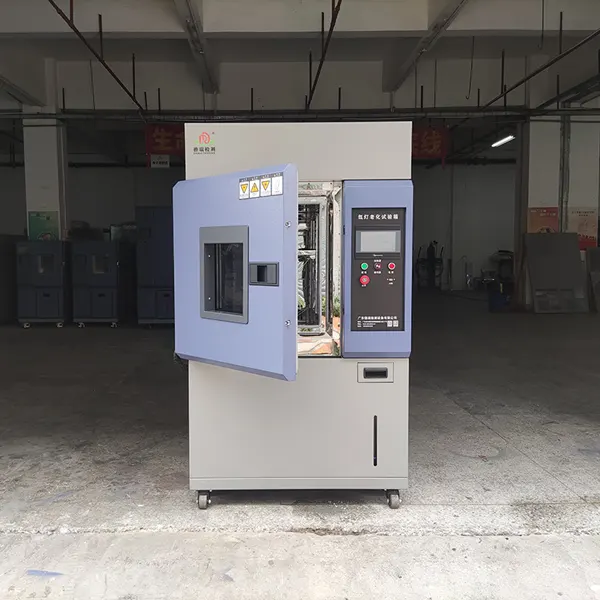
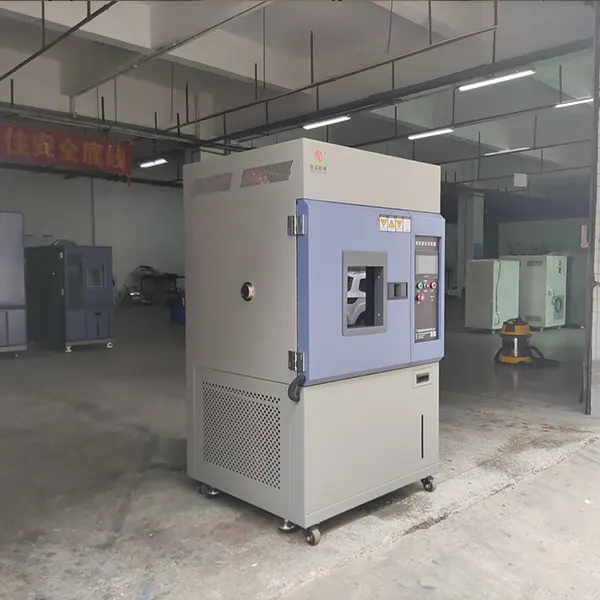


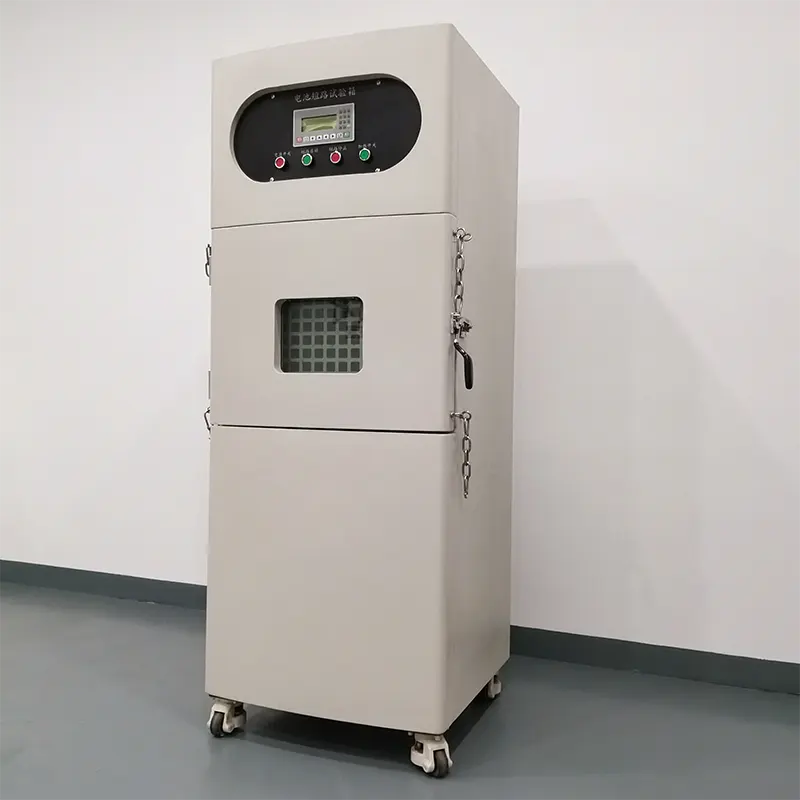

Air-Cooled Xenon Arc Exposure for Laboratory Material Testing
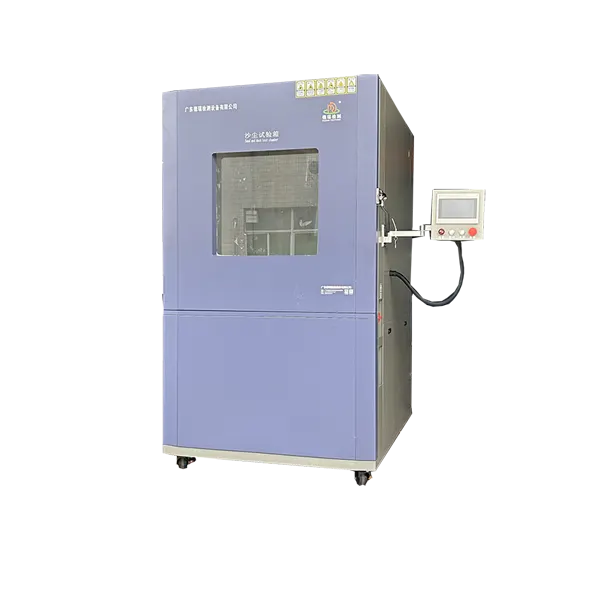
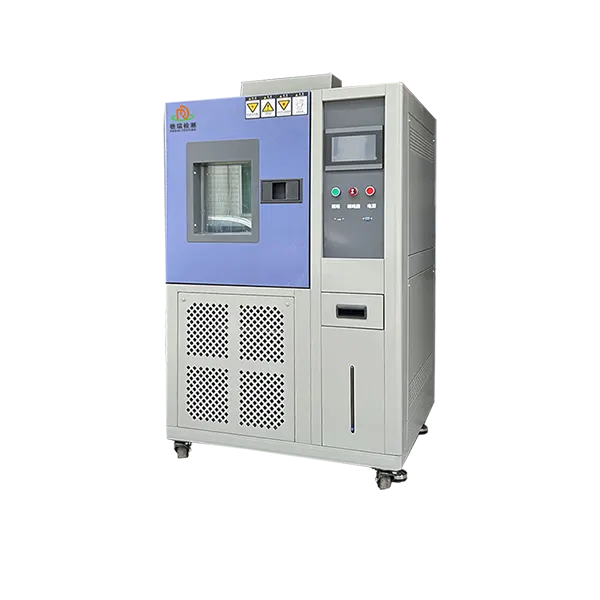
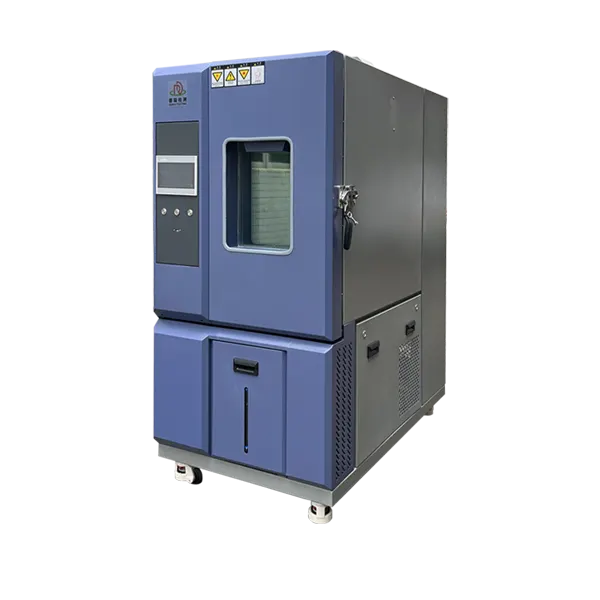
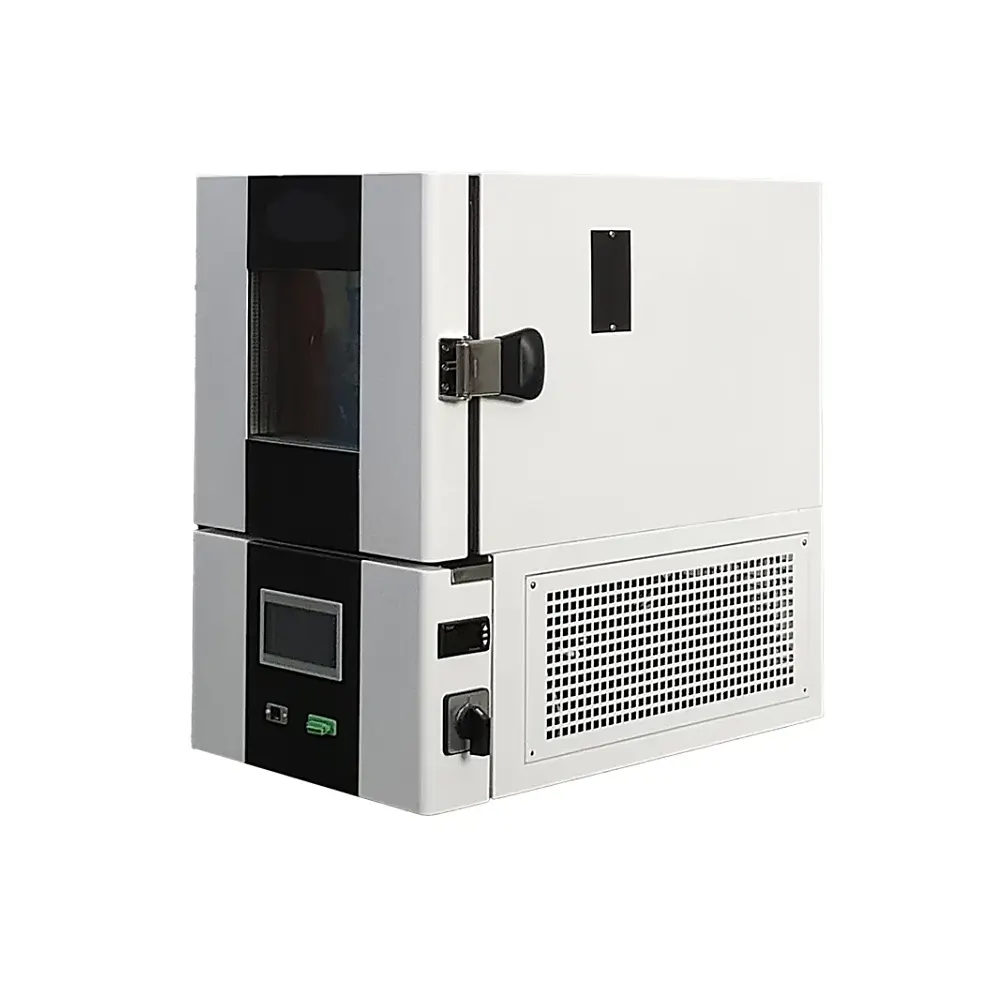
Select a xenon system around the specimen layout and exposure your laboratory needs. DERUI DR-H301 combines three 2.5 kW air-cooled xenon lamps with a 500 × 760 × 500 mm workspace and programmed light/temperature exposure.
Choose DR-H301 by the Exposure—not Just the Footprint
A defined three-lamp configuration
This page covers the DR-H301 air-cooled xenon arc chamber with its specific workspace and lamp arrangement. It is relevant to laboratories comparing light-related material changes when the installed filters, light-control system and climate functions match the required procedure.
Applications may include textile colorfastness, plastics, coatings, inks and rubber. Select the material-specific method before finalizing the optical system; different procedures do not share one universal filter, light setting or moisture cycle.
For appearance testing, identify color, gloss or surface-change endpoints. For retained mechanical properties, define the separate instrument and specimen conditioning required after exposure.
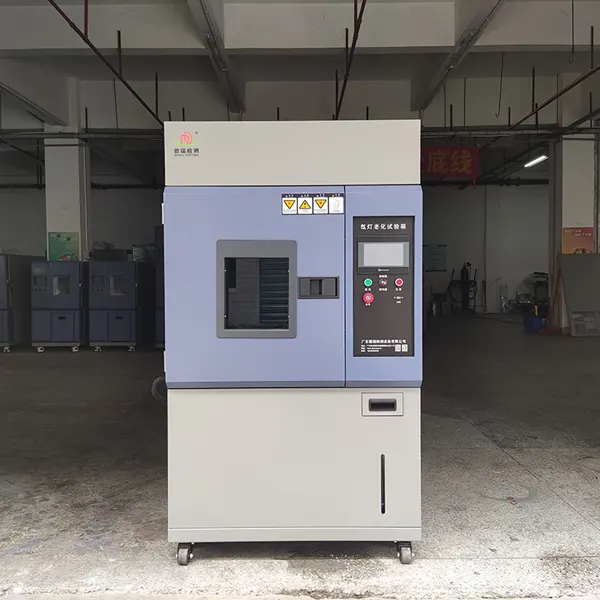
DR-H301 Technical Configuration
| Parameter | Specification |
|---|---|
| Model | DR-H301 |
| Internal dimensions (D × W × H) | 500 × 760 × 500 mm |
| External dimensions (D × W × H) | 1050 × 1100 × 1650 mm |
| Chamber temperature | Ambient +10°C to 70°C |
| Temperature fluctuation / uniformity | ≤±0.5°C / ≤±2°C |
| Water-tank temperature | 37°C ±3°C; not chamber-air temperature |
| Light source | Three air-cooled xenon lamp tubes |
| Lamp rating | 2.5 kW per lamp; not total machine power |
| Glass filters | Three pieces; filter class selected for the exposure procedure |
| Illuminance setting | 15,000–150,000 lx, adjustable; not a spectral irradiance specification |
| Stainless-steel tank (L × W × H) | 640 × 450 × 150 mm |
| Electrical supply | AC 380 V ±10%, 50 Hz, three-phase five-wire |
Specify the required spectral filter, irradiance channel, usable specimen area and moisture program in the configuration proposal. Lamp ratings and chamber dimensions alone do not establish these capabilities.
Define the Optical Requirement Before Ordering
| Selection item | What your test plan needs | What to agree with DERUI |
|---|---|---|
| Filter system | Daylight, window-glass-filtered or another prescribed spectrum | Installed filter identification and suitability for the adopted procedure. |
| Light control | Measurement unit, wavelength/band and exposure setting | Required sensor channel, calibration, adjustment range and control method. |
| Temperature | Air-temperature and any required BPT/BST setpoints | Sensor type, location and achievable operating conditions. |
| Moisture | Any required humidity, spray or wet/dry sequence | Actual supplied hardware and verified cycle operation; tank presence alone is insufficient. |
| Exposure uniformity | Declared specimen plane and usable area | Loaded layout and acceptance mapping rather than physical chamber volume. |
ASTM G155 concerns operation of xenon-arc exposure apparatus. ISO 4892-2 addresses plastics exposure with xenon-arc lamps. Send the adopted edition and complete cycle for a configuration review; naming a standard is not a blanket certification.
Specimen Loading and Useful Comparative Results
Prepare comparable specimens
Record material batch, dimensions, backing, masking and initial measurements. Include replicates and reference materials as required by the test plan.
Define the exposed area
Agree holder positions, lamp distance and mounting orientation. Avoid shading by fixtures or neighboring specimens. A part fitting inside the cabinet does not prove its surface receives an acceptable exposure.
Record the actual exposure
Document filters, light setting and unit, temperature, moisture operation, duration, interruptions and specimen removal intervals. Compare endpoints under consistent conditioning.
The chamber generates the exposure environment. Colorimeters, gloss meters, tensile testers or other evaluation instruments establish the corresponding material-property changes. Choose those endpoints before running the test.
Installation, Acceptance and Equipment Selection
Plan utilities for the complete system
Provide destination voltage, frequency, ambient conditions, ventilation, water and drainage requirements. The published supply is 380 V, 50 Hz, three-phase five-wire. Air-cooled lamp housings need unobstructed airflow; the presence of a water tank means that “air-cooled” should not be interpreted as “no water-related functions.”
Agree total connected load, breaker/cable requirements, service clearance and delivery access using the final drawings. Three lamp ratings do not establish total equipment power.
| Acceptance item | Evidence to agree |
|---|---|
| Optical system | Filter identification, sensor calibration, required light-control unit and usable exposure-area mapping. |
| Temperature and moisture | Sensor locations, fluctuation/uniformity checks and actual tank or moisture-cycle operation under agreed conditions. |
| Program and safety | Timing, interruptions, installed interlocks/alarms and the required shutdown checks. |
| Documentation | Manuals, calibration evidence, electrical drawings, maintenance/spares list and recording format if supplied. |
Keep lamp air paths and fans clean, inspect filters, maintain the tank according to the supplied water-quality requirements and verify sensors at the laboratory’s calibration interval. Never bypass light-exposure safeguards.
Compare the configuration that fits your workload
For a larger water-cooled lamp and rotating rack, review DR-H301-2. For compact flat-specimen workloads, see the desktop xenon chamber. For the separate light/dark humidity and spray-program offering, see the air-cooled xenon aging chamber. Browse the xenon chamber category for broader configuration selection.
DR-H301 Air-Cooled Xenon Arc Chamber FAQ
Is DR-H301 an air-cooled xenon system?
Yes. Its published light-source configuration is three air-cooled xenon lamps, rated 2.5 kW each. Air cooling describes the lamp arrangement; it does not establish the complete moisture functions or all utilities required by your test cycle.
Can 150,000 lx demonstrate compliance with an irradiance requirement?
No. Lux describes illuminance weighted for human vision. Spectral irradiance requirements use radiometric units and a defined wavelength or band. There is no universal lux-to-irradiance conversion for this selection decision. Specify the required optical measurement and control channel.
Does the stainless-steel tank confirm spray or humidity testing?
The tank is listed, but the parameter table does not establish a humidity range or a specimen-spray cycle. Include your moisture requirement in the application review so that the supplied configuration and acceptance checks address it explicitly.
How many specimens fit inside DR-H301?
Physical workspace is not the same as validated exposure area. Specimen dimensions, fixture geometry, shading and uniformity determine capacity. Provide the number of specimens, replicates and reference materials for a holder-layout review.
Can DR-H301 replace DR-H301-2?
Not automatically. DR-H301 uses three air-cooled lamps and a smaller workspace; DR-H301-2 uses a water-cooled lamp and a rotating rack. Choose the configuration that meets the spectrum, light-control, climate, moisture and capacity requirements of the actual procedure.
How are lamp and filter replacements scheduled?
Follow the installed component instructions and measured exposure performance. Record lamp hours, inspect filters and monitor output. Do not assume that a fixed replacement interval guarantees acceptable light output for every operating program.
Request a DR-H301 Configuration Review
Send Your Test Method and Specimen Layout
Request a proposal that connects the DR-H301 optical configuration, exposed specimen area and supplied climate functions to your laboratory procedure.
Include: material and application; standard edition and cycle; light-control unit and setpoint; filter requirements; specimen dimensions, count and fixtures; temperature/moisture program; site utilities; acceptance and reporting needs.