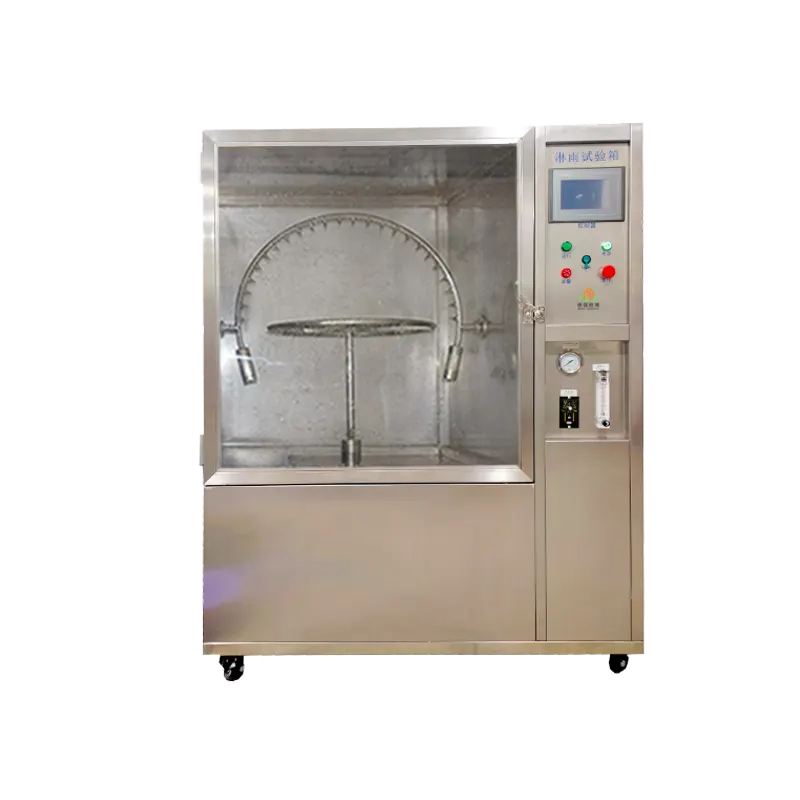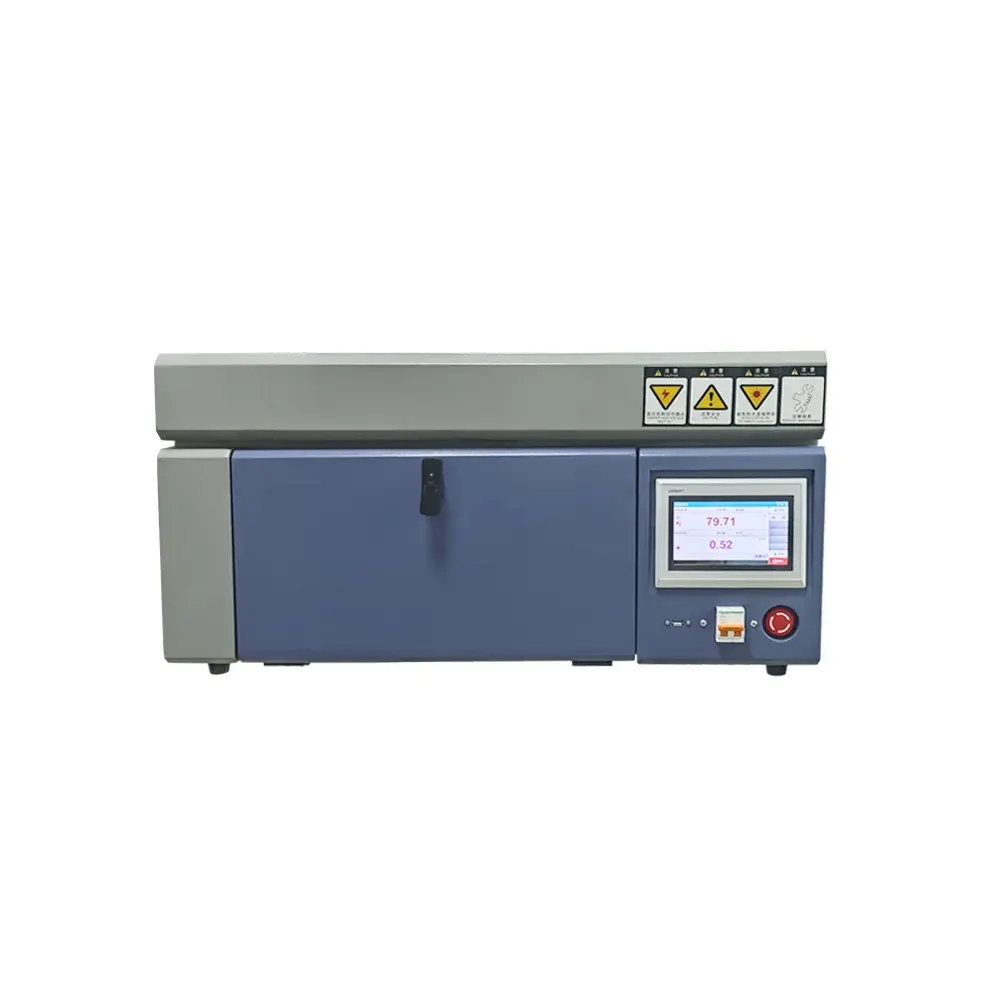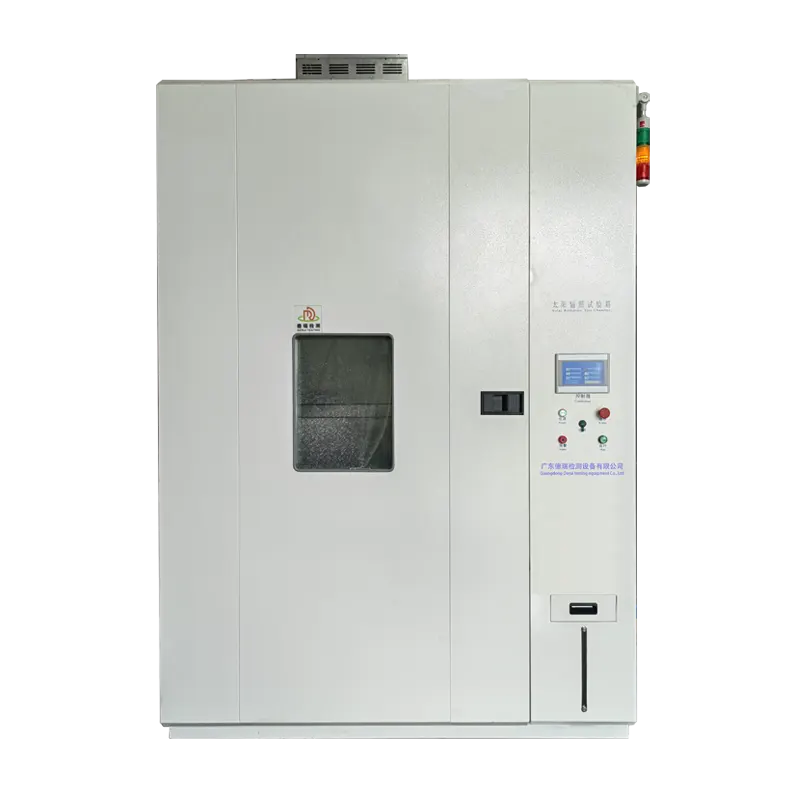



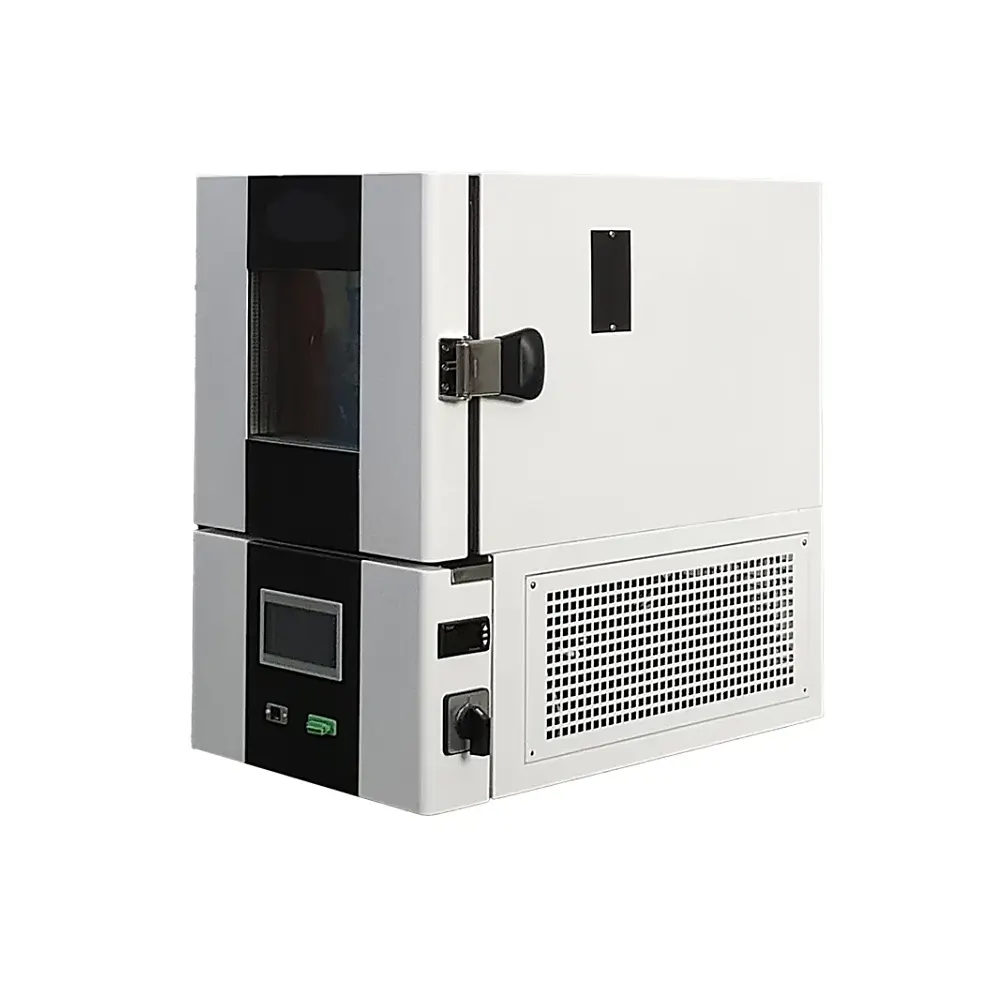
Controlled Solar Radiation Exposure for Equipment and Components
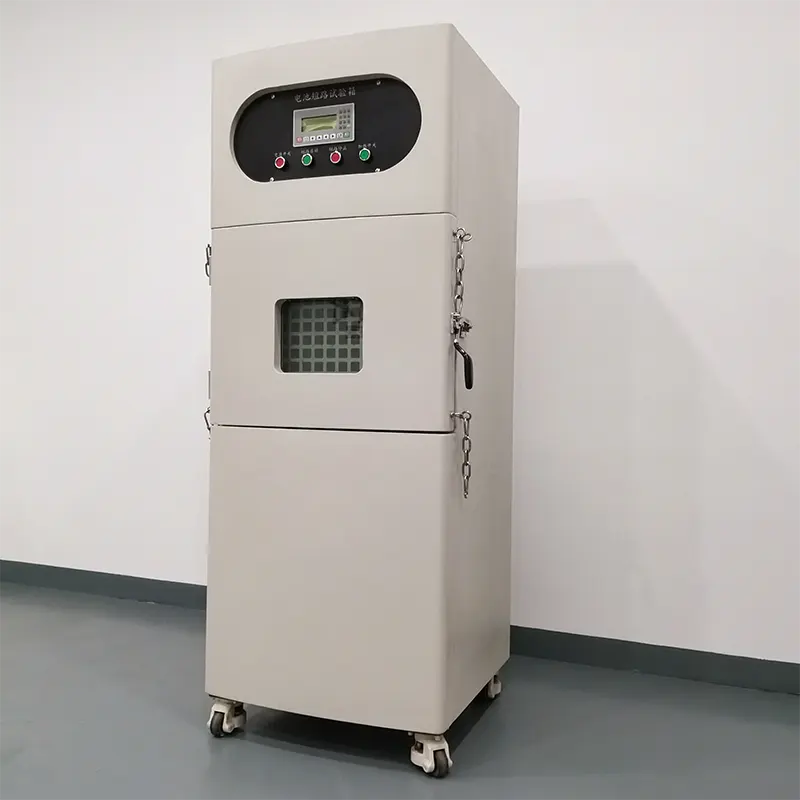
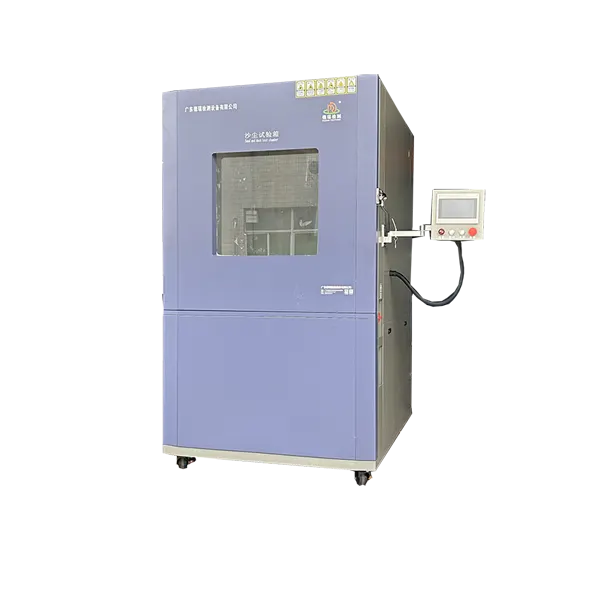
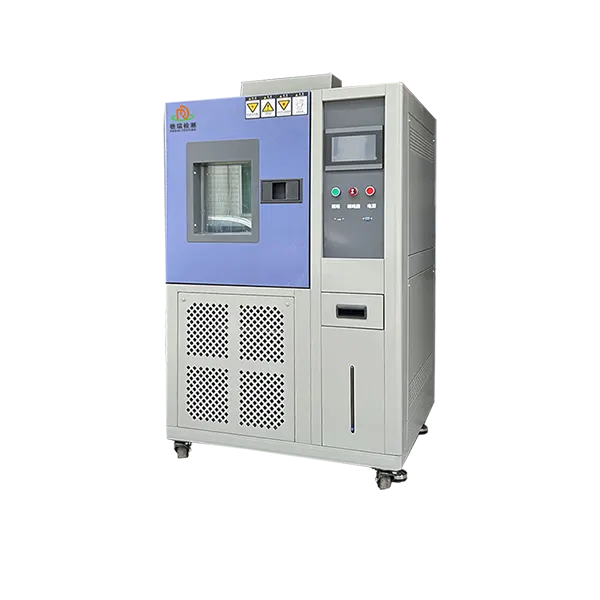
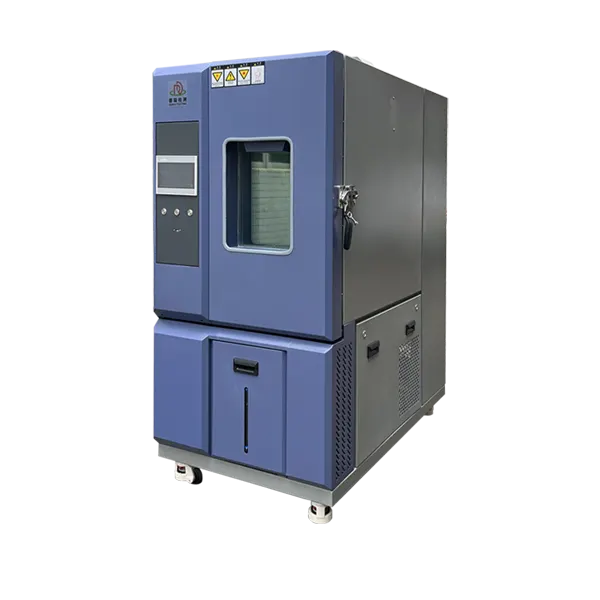
The DERUI solar simulation chamber exposes equipment, components or materials to a defined simulated solar spectrum while controlling the surrounding thermal environment. It can be configured to investigate solar heating, functional performance and radiation-related degradation under an approved IEC, military, product or customer test plan.
The lamp source, optical filters, irradiated area, spectral distribution, irradiance, uniformity, chamber temperature and specimen monitoring must be selected together. The published product configuration uses a xenon-based radiation system; final performance is confirmed against the exact method and specimen before quotation.
Choose the Test Objective Before Choosing the Chamber
Solar heating and operation
Evaluate surface temperature rise, internal temperature, functional stability, display readability, seal behavior and other equipment responses while the specimen receives simulated ground-level solar radiation.
Solar radiation weathering
Investigate radiation-driven degradation such as color change, embrittlement, cracking or loss of performance using the spectral and environmental conditions defined by the applicable method.
Component qualification
Expose outdoor electronics, housings, vehicle components or assemblies under a customer-defined irradiance and temperature sequence while power and function are monitored.
Comparative material screening
Compare materials only when specimen preparation, optical exposure, reference materials and evaluation methods are controlled consistently.
Solar Simulation, Xenon Weathering and PV Flash Testing Are Different
| Equipment or test | Primary objective | Key configuration focus |
|---|---|---|
| Solar simulation chamber | Expose equipment or components to simulated ground-level solar radiation for thermal, functional or weathering effects | Spectrum, total irradiance, irradiated field, uniformity, chamber temperature and specimen monitoring |
| Xenon arc weathering chamber | Accelerated light and weathering exposure of plastics, coatings, textiles and other materials | Filtered xenon spectrum, narrow-band or broad-band irradiance, black-standard/black-panel temperature, humidity and wetting cycle |
| Fluorescent UV weathering tester | Comparative UV, heat, condensation and optional spray exposure | UVA/UVB lamp, irradiance, specimen temperature and moisture cycle |
| PV module solar simulator or flasher | Measure photovoltaic electrical performance under a classified simulated sunlight pulse or steady source | Spectral match, irradiance non-uniformity, temporal instability, module area and electrical measurement—not a general weathering chamber |
If the project is primarily ASTM G155 or ISO 4892-2 material weathering, review the dedicated xenon arc weathering test chamber. For fluorescent UV exposure, use the UV accelerated weathering tester.
Solar Simulation System Functions
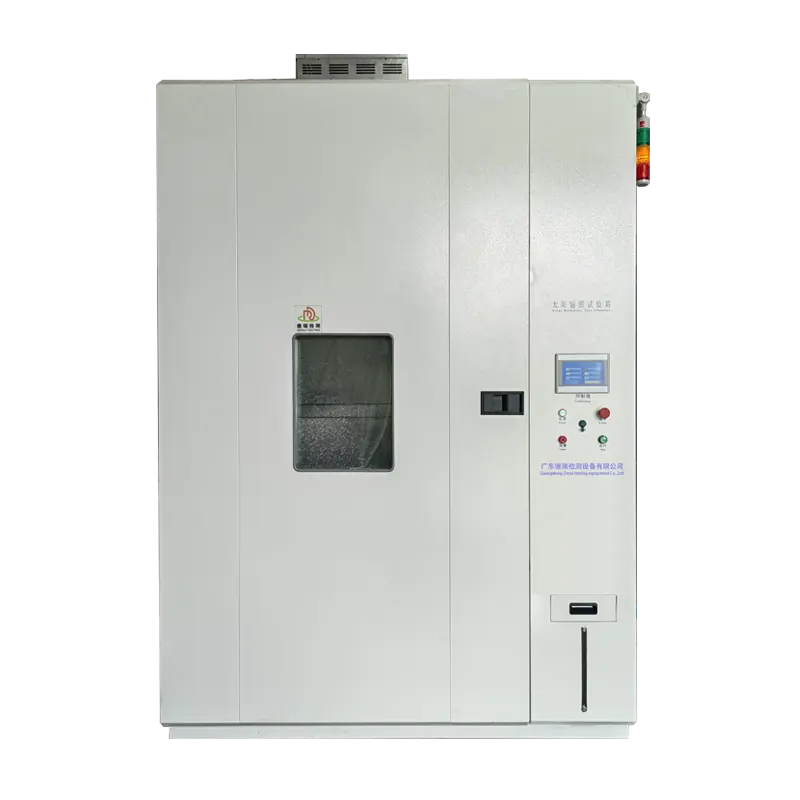
Radiation source and optics
The lamp and filter system are selected to reproduce the spectral region and irradiance required by the test method. Optical aging and contamination must be included in the maintenance and verification plan.
Irradiance measurement
A suitable radiometer or calibrated sensor monitors the defined spectral band or integrated irradiance. Sensor range and calibration must match the specified quantity.
Irradiated field and uniformity
Lamp geometry, reflectors, specimen distance and field mapping determine whether the entire exposed surface receives the permitted distribution.
Thermal environment
Chamber air temperature, specimen surface temperature, heat dissipation and airflow are considered together because radiation can produce specimen temperatures far above chamber-air temperature.
Specimen operation and monitoring
Feedthroughs can support thermocouples, power, signals and functional measurements. Large or powered samples require a heat-load and cable-routing review.
Program and protection
The controller coordinates radiation, chamber condition, timing and alarms. Door interlocks, over-temperature protection and lamp-system protection reduce operating risk.
Parameters Confirmed Before Quotation
| Configuration item | Information required | Why it matters |
|---|---|---|
| Governing method | Standard edition, test method, procedure and customer specification | Defines spectrum, irradiance, cycle, measurement and acceptance requirements |
| Spectral requirement | Required wavelength range, spectral distribution, filter and tolerance | Determines lamp and optical system suitability |
| Radiation quantity | Total or band-specific irradiance, radiant exposure and control point | Prevents confusion between W/m² and W/m²/nm values |
| Irradiated area | Specimen dimensions, quantity, orientation and permitted non-uniformity | Determines lamp arrangement, distance and working-space geometry |
| Climate profile | Chamber temperature, humidity or wetting if applicable, timing and transitions | Separates thermal testing from material-weathering requirements |
| Specimen load | Mass, absorptivity/color, powered heat load, mounting and monitoring channels | Affects specimen temperature and chamber cooling capacity |
| Verification | Field mapping, radiometer calibration, temperature survey and report format | Defines factory acceptance and ongoing laboratory control |
Final lamp power, spectrum, irradiance range, uniformity, working volume, temperature, humidity, spray, specimen capacity and utility requirements are stated in the approved technical quotation. Generic values from another chamber configuration should not be used as contractual performance.
Standards and Application Boundaries
| Reference | Scope | Page application |
|---|---|---|
| IEC 60068-2-5:2018 | Simulated solar radiation at ground level for equipment and components; includes thermal-effect and weathering approaches | Primary reference for configuring a solar radiation chamber when the project cites this method |
| MIL-STD-810 Method 505 | Tailored solar radiation exposure for materiel based on the required revision and procedure | Use the exact project revision, procedure, cycle and spectrum rather than a generic “MIL compliant” claim |
| ASTM G155 | Operation of xenon arc light apparatus for exposure of non-metallic materials | Better served by a dedicated xenon weathering configuration if material weathering is the main objective |
| ISO 4892-2 | Filtered xenon-arc exposure of plastics in the presence of controlled moisture conditions | Requires method-specific filters, irradiance, temperature and wetting rather than a generic solar heating profile |
| ISO 16474-2 | Xenon-arc exposure of paints and varnishes | Use the coating-specific exposure and evaluation procedure |
| SAE J2527/J2412 | Automotive exterior/interior accelerated exposure practices | Confirm the current OEM or SAE procedure and required optical system |
Recommended Test Workflow
- Define the objectiveDecide whether the program evaluates solar heating, operation under radiation, material weathering or another defined effect.
- Freeze the methodRecord the standard edition, procedure, spectrum, irradiance, field size, cycle and acceptance criteria.
- Prepare the specimenDefine orientation, mounting, surface condition, power state, heat dissipation, cable routing and measurement points.
- Map the exposure fieldVerify irradiance distribution and sensor traceability over the intended specimen plane before qualification exposure.
- Verify thermal responseCheck chamber-air and specimen temperatures at representative locations; set safety and functional abort limits.
- Execute and monitorRecord radiation, chamber condition, specimen temperatures, function and any interruption or deviation.
- Evaluate consistentlyUse the specified post-exposure conditioning, functional checks and material measurements to determine compliance.
How to Select the Right Solar Simulation Chamber
Start with spectrum—not lamp wattage
A high-power lamp is not automatically suitable. Compare the required spectral distribution and tolerance with the complete lamp, filter and reflector system.
Specify the irradiated plane
Provide specimen size and orientation, required field area, working distance and uniformity. Chamber volume alone does not describe usable exposure capacity.
Separate total and spectral irradiance
State whether the requirement uses total W/m² or band-specific W/m²/nm at a wavelength. These quantities cannot be substituted for each other.
Include specimen heat load
Powered equipment and dark surfaces can reach higher temperatures. Supply power consumption, dissipation and permitted specimen temperatures.
Plan calibration and mapping
Define sensor traceability, calibration interval, field-mapping method and report format before purchasing the system.
Review utilities and safety
Confirm electrical power, lamp cooling, exhaust, room heat rejection, drainage if wetting is included, doorway and service clearance.
Typical Applications
Outdoor electronic equipment
Evaluate housings, displays, controls and powered assemblies for temperature rise and functional effects under simulated solar radiation.
Automotive and transportation
Assess interior or exterior components using the product program’s defined radiation, temperature and material-evaluation method.
Aerospace and defense equipment
Apply a tailored solar radiation procedure to equipment expected to operate or remain stored in exposed hot environments.
Materials and coatings
Perform method-controlled comparative exposure where the selected spectrum, filters, moisture and evaluation procedure are supported by the ordered system.
Safety, Verification and Maintenance
Operator protection
- Interlocked access door and lamp shutdown logic
- Radiation-blocking observation arrangement where provided
- Independent over-temperature protection
- Lamp cooling and electrical protection
- Exhaust or ozone controls where required by the selected source
Repeatability controls
- Clean lamps, filters, reflectors and sensors according to the manual
- Track lamp and optical-system operating hours
- Calibrate the radiometer and temperature channels at documented intervals
- Repeat field mapping after relevant service or optical changes
- Record deviations, interruptions and component replacement
DERUI provides a one-year whole-machine warranty, lifetime technical consultation, remote video guidance and operator training. Overseas installation can be arranged as a separately quoted service, and spare-parts support is available for up to ten years.
Solar Simulation Chamber FAQs
Is a solar simulation chamber the same as a xenon weathering chamber?
Not always. A solar simulation chamber may focus on the thermal and functional effects of simulated solar radiation on complete equipment. A xenon weathering chamber is typically configured around material exposure, filtered spectrum, black-panel or black-standard temperature, humidity and wetting. Some systems can support overlapping methods, but capability must be verified method by method.
Can test hours be converted into years outdoors?
No universal conversion is reliable. Outdoor correlation varies with climate, spectrum, temperature, moisture, material, orientation and failure mechanism. Use chamber exposure for controlled comparison or qualification unless a product-specific correlation study supports service-life prediction.
What irradiance information is needed for an RFQ?
Provide the required spectrum or wavelength range, whether the value is total or spectral irradiance, its unit, control wavelength or band, tolerance, irradiated area and permitted non-uniformity.
Can this chamber test photovoltaic modules?
Only after the exact PV requirement is reviewed. UV preconditioning, thermal cycling, damp heat, hot-spot endurance and PV electrical-performance measurement require different equipment functions. A general solar radiation chamber is not automatically a complete IEC 61215 or PV flasher system.
Why must specimen temperature be monitored?
Radiation absorption depends on surface color, material, airflow and mounting. Specimen temperature can differ substantially from chamber air, so representative surface and internal measurements may be necessary for thermal-effect and functional tests.
What information should be sent to DERUI?
Send the standard and procedure, test objective, spectrum, irradiance, field size, uniformity, climate cycle, specimen dimensions and color, powered heat load, mounting, monitoring channels, utilities and destination country.
Request a Solar Simulation Configuration Review
Send the spectrum, irradiance, exposed area, uniformity, climate profile and specimen information. DERUI will review the lamp, optics, chamber, cooling, monitoring and installation requirements as one system.
- Method-specific lamp and optical configurations
- Customized working space, mounting and monitoring ports
- Destination voltage and controller-language options
- Factory mapping, training and technical documentation