







Control Ozone, Strain and Exposure Conditions Around the Rubber Test Method
Ozone cracking is evaluated under defined conditions, not by chamber concentration alone. The test plan must connect the ozone level with specimen strain, temperature, air movement, exposure time and the crack-evaluation method.
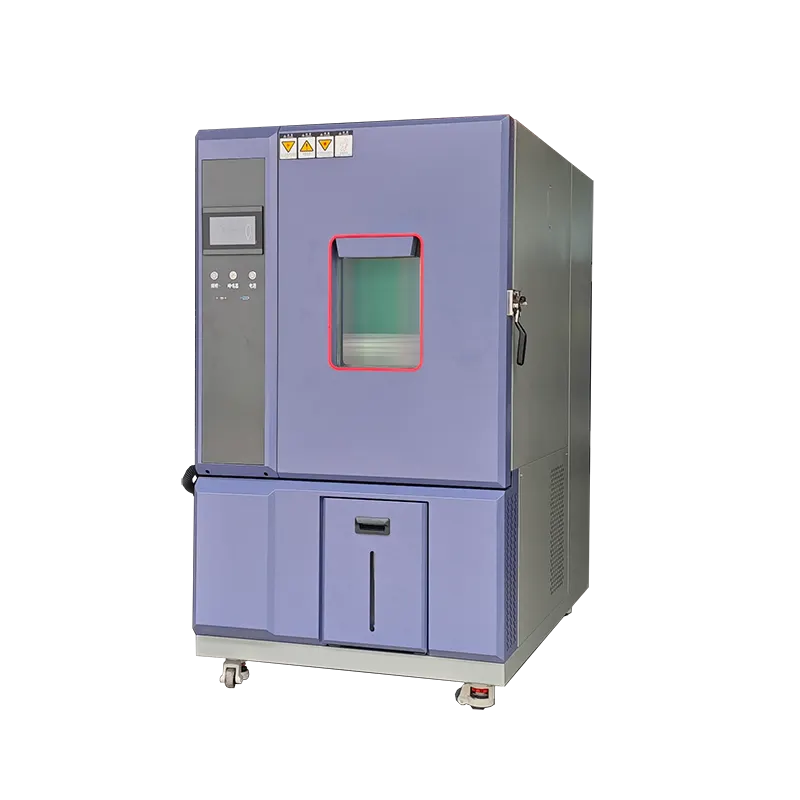
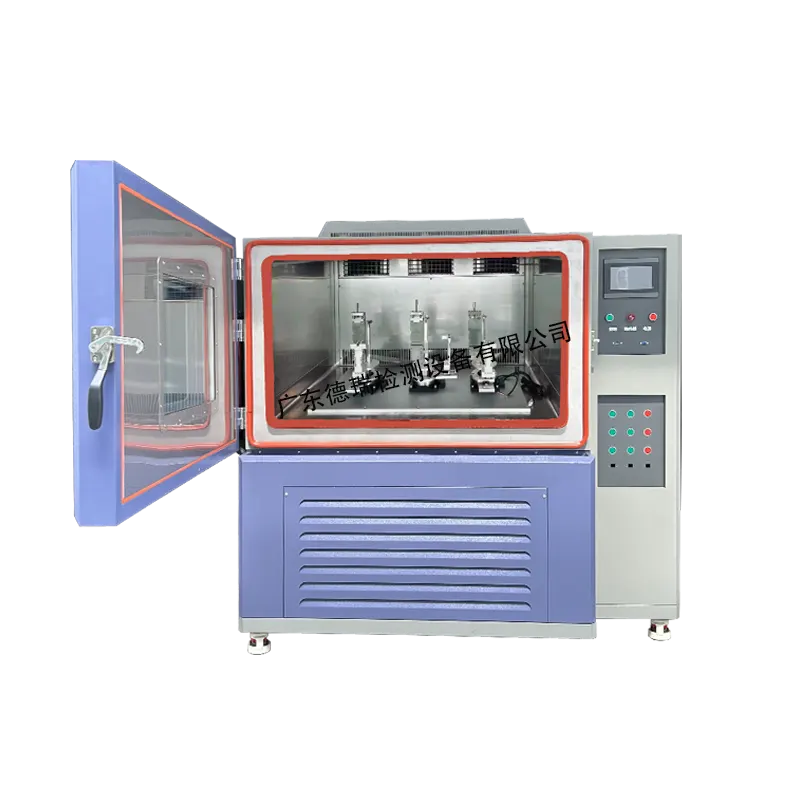
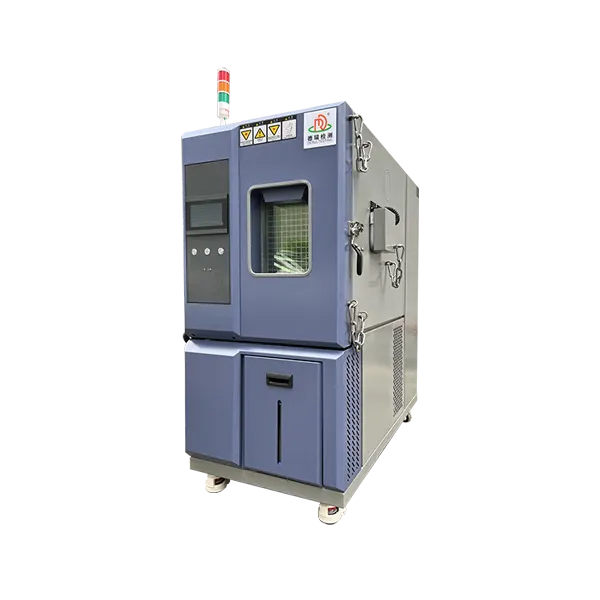
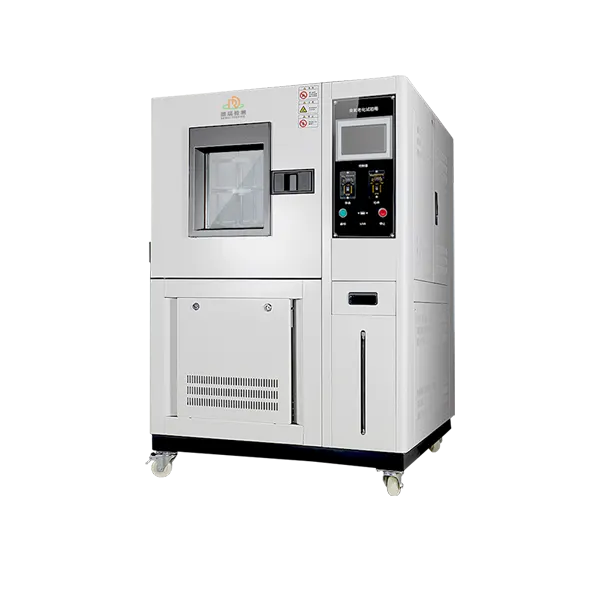
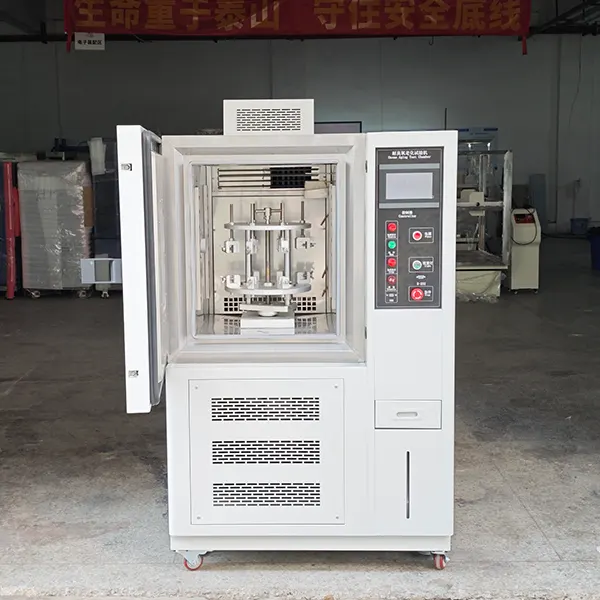
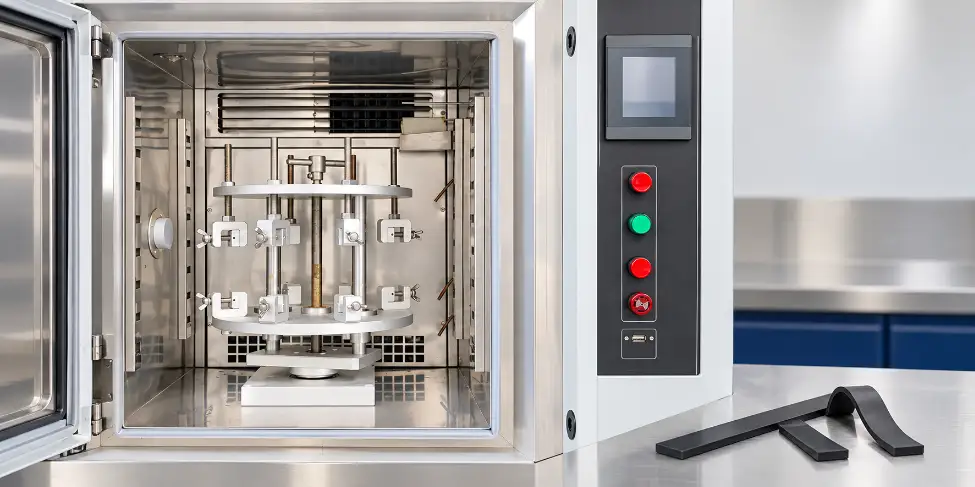
The DR-H305 is offered for laboratories comparing rubber compounds, molded or extruded rubber parts, seals, hoses, cable insulation and sheathing. The ordered configuration can support static or dynamic tensile fixtures. Final suitability depends on the cited standard, edition and specimen geometry.
Match the Chamber to the Ozone-Cracking Procedure
ISO 1431-1:2024 addresses static and dynamic tensile-strain exposure of vulcanized or thermoplastic rubber in ozone-containing air at a defined temperature and, when required, relative humidity. ASTM D1149-18(2025) also evaluates cracking in an ozone-controlled environment under static or dynamic strain. Neither method turns one generic chamber programme into a universal product-life prediction.
| Buyer requirement | DR-H305 configuration direction | Confirm before quotation |
|---|---|---|
| Static-strain ozone cracking | Static tensile holders and rotating rack where required | Specimen shape, extension, holder count, orientation and inspection interval |
| Dynamic-strain ozone cracking | Dynamic tensile mechanism with method-specific motion | Strain limits, frequency, cycle pattern, loaded quantity and fixture drawing |
| Cable or customer-specific procedure | Reviewed fixture, ozone range and environmental controls | Exact document, edition, clause, specimen preparation and acceptance criteria |
Use the current ISO 1431-1 or applicable customer method to define the procedure. ISO 1431-3 covers reference and alternative methods for determining ozone concentration in laboratory chambers.
Ozone Generation, Measurement and Chamber Control
The published DR-H305 options cover 10–1000 pphm for low-concentration work or 1–500 ppm for high-concentration work. Select the required option at ordering; these ranges are not interchangeable defaults.
Define the analyser principle, sampling location, display unit, calibration method and required traceability. Confirm how the system records stabilization, exposure and alarm events.
The current specification lists 12–16 mm/s chamber air velocity. Confirm the measurement location, loaded condition, exchange requirement and distribution evidence for the governing procedure.
Choose the published temperature and humidity option only when the method requires it. The quotation should state the operating range and control performance for the selected ozone condition.
Ozone-cracking procedures exclude direct-light effects. Confirm chamber construction, viewing arrangement and inspection practice maintain the required exposure environment.
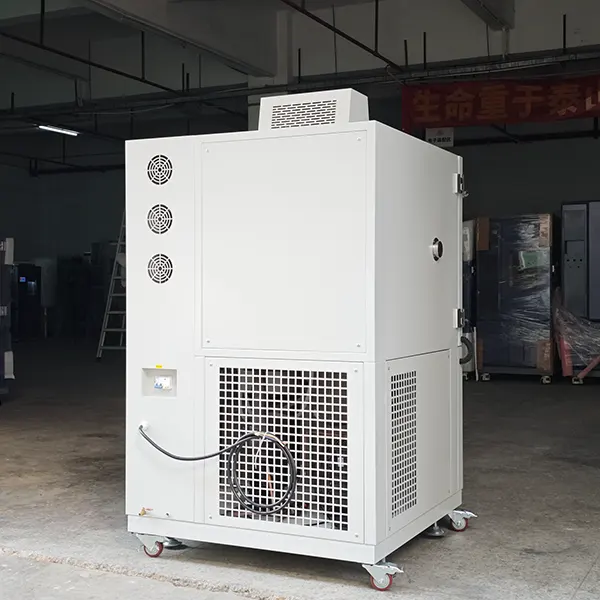
Define the destruction or exhaust path, interlocks and site connection before installation. Ozone is hazardous and must not be released into the work area.
Select the Fixture From the Specimen and Strain Programme
Fixture choice affects exposure validity and usable capacity. Provide a specimen drawing rather than estimating capacity from chamber volume. DERUI can review the clamping method, extension, clearance and number of simultaneously exposed pieces.
Specimen type, gauge section, required extension, clamping area, orientation, quantity and rack rotation requirement.
Minimum and maximum strain, frequency, waveform or motion sequence, cycle duration, quantity and stop conditions.
Visual grading or image analysis, inspection intervals, crack criterion, magnification, conditioning and control specimens.
The published rotating sample rack is listed at 1 r/min. Dynamic tensile movement is a separate fixture function and must be defined from the procedure; rack rotation alone does not establish dynamic-strain capability.
Monitoring, Alarms and Test Records
A useful record shows that the loaded test remained within the agreed conditions. Define the channels, sampling interval and export format in the purchase specification.
| Record or function | Buyer decision | Acceptance evidence |
|---|---|---|
| Ozone trend | Unit, setpoint, tolerance, interval and retention | Loaded-run trend and sample export |
| Environmental conditions | Required temperature, humidity and air parameters | Sensor identification and recorded values |
| Fixture operation | Rack speed or dynamic motion and duration | Demonstration with representative specimens |
| Fault response | High ozone, loss of flow, door opening and power interruption | Alarm list, interlock test and recovery behavior |
What to Send for a Model-Specific DR-H305 Proposal
A quotation can only be checked against the intended procedure when the test inputs are complete. Send these items together:
Standard, edition, clause, ozone unit, concentration, temperature, humidity and duration.
Material, dimensions, shape, quantity, preparation, conditioning and exposed surfaces.
Static extension or dynamic limits, frequency, cycle sequence and holder arrangement.
Inspection times, crack grading, image analysis, magnification and acceptance criteria.
Trend channels, export format, calibration documents, user access and alarms.
Voltage, room conditions, exhaust route, access, destination requirements and training.
Safety, Factory Review and Delivery Acceptance
Before shipment, agree the test load and evidence used to verify the ordered scope. A useful factory review covers concentration control, environmental conditions, fixture movement, records and safety response.
- Approve the chamber, fixture and installation drawings.
- Confirm the ozone analyser, unit, calibration scope and sampling location.
- Demonstrate stabilization and control at agreed representative conditions.
- Check rack rotation or dynamic fixture motion with a representative load.
- Test alarms, door interlock, ozone shutdown and destruction or exhaust response.
- Review trend exports, manuals, maintenance tasks, consumables and spare parts.
Ozone is hazardous. The laboratory remains responsible for site ventilation, exposure controls, operating procedures and applicable safety regulations. Equipment verification does not replace specimen testing and evaluation under the approved method.
Request an Ozone-Chamber Configuration Review
Send the method, ozone concentration, specimen drawing, strain programme, evaluation intervals and site utilities. DERUI can prepare the DR-H305 technical offer around those inputs.