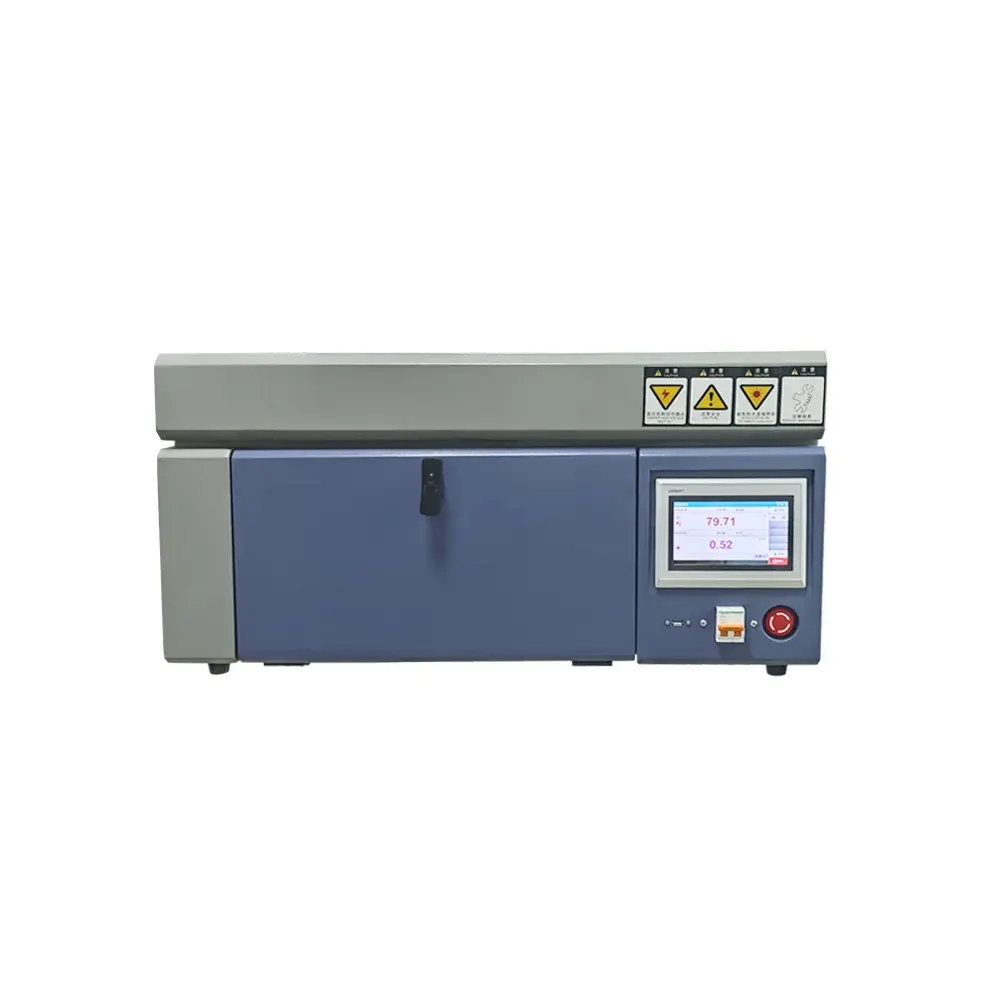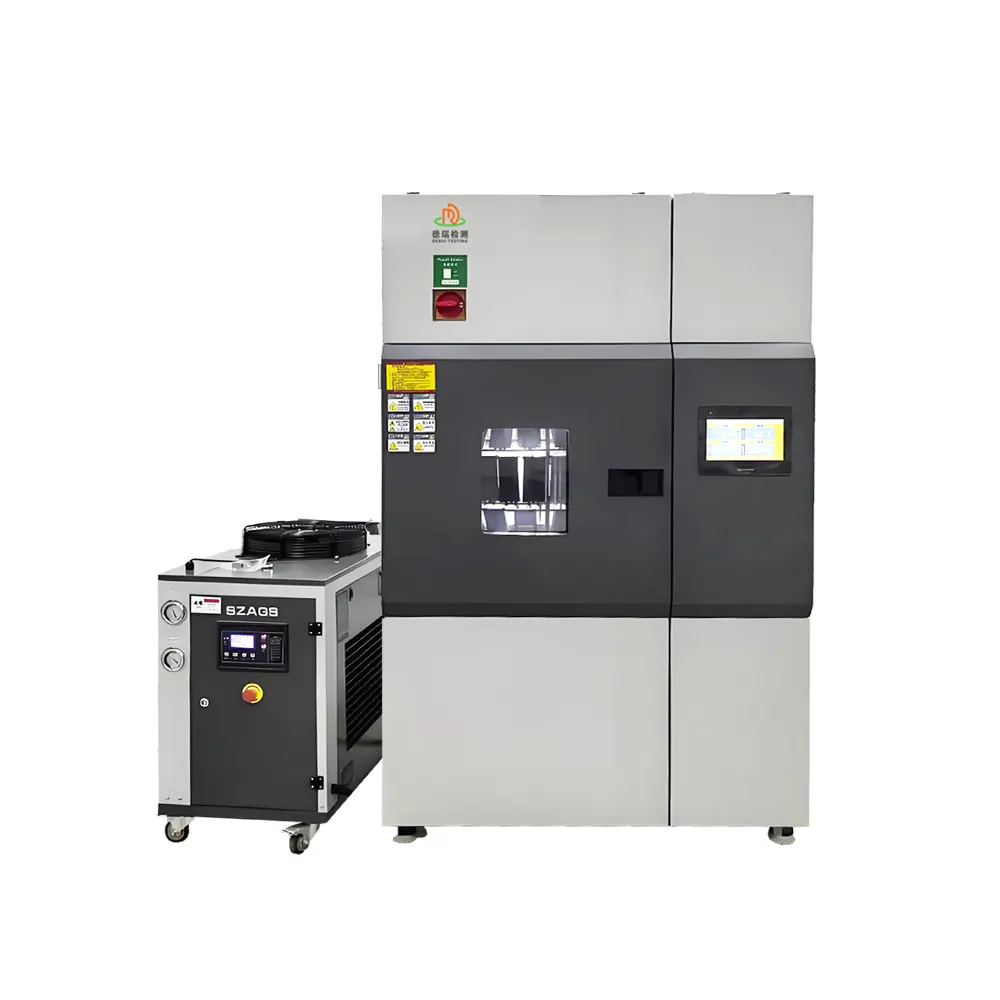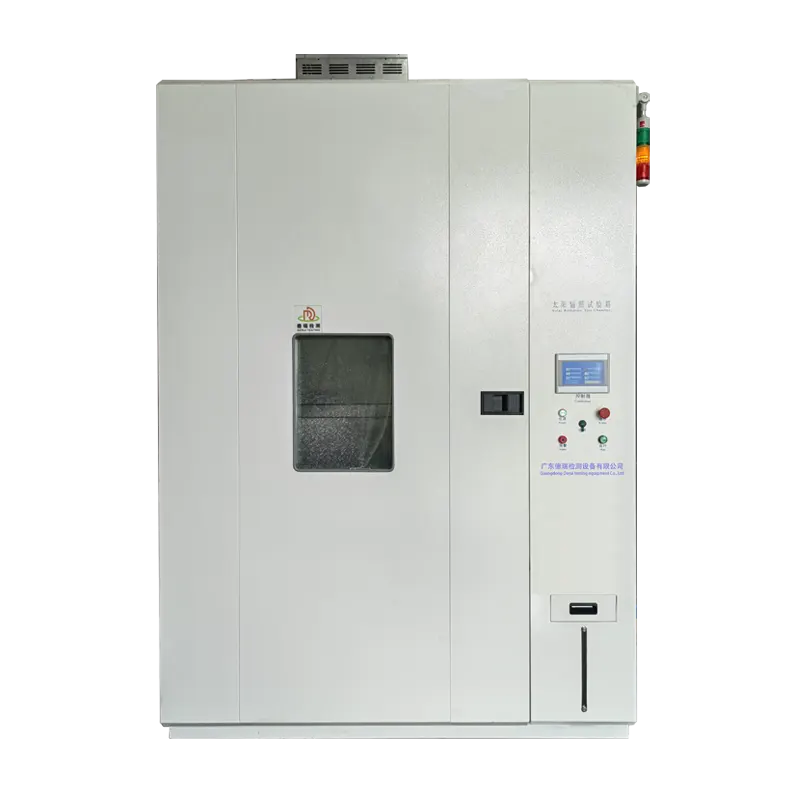


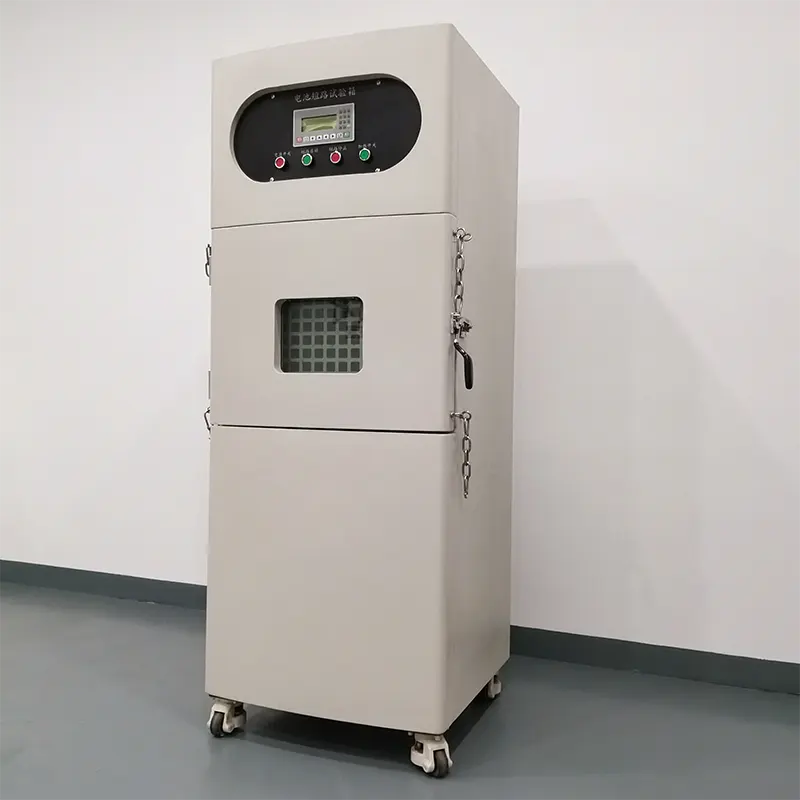
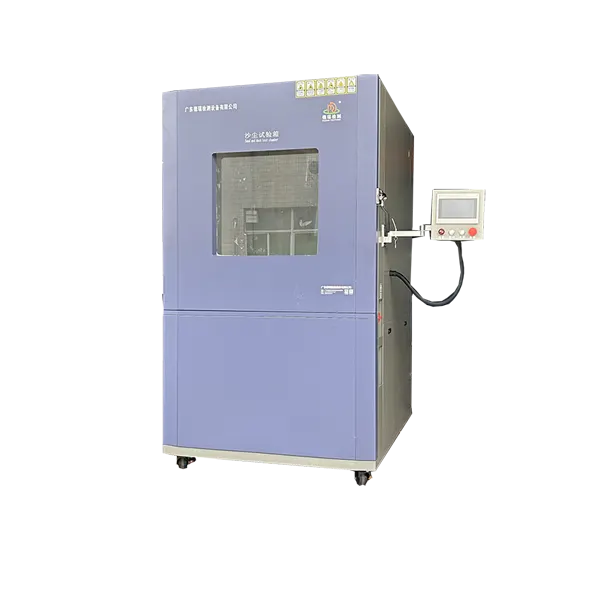

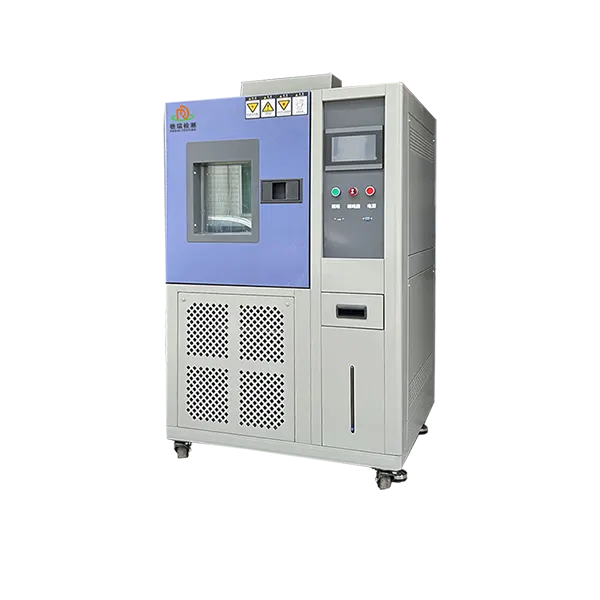
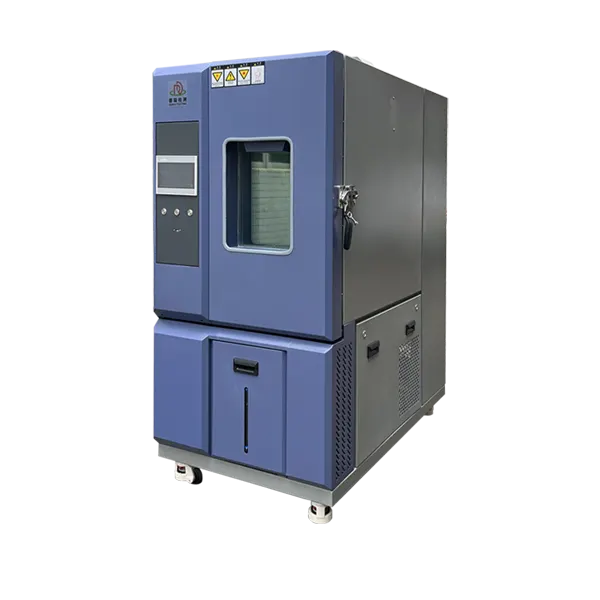
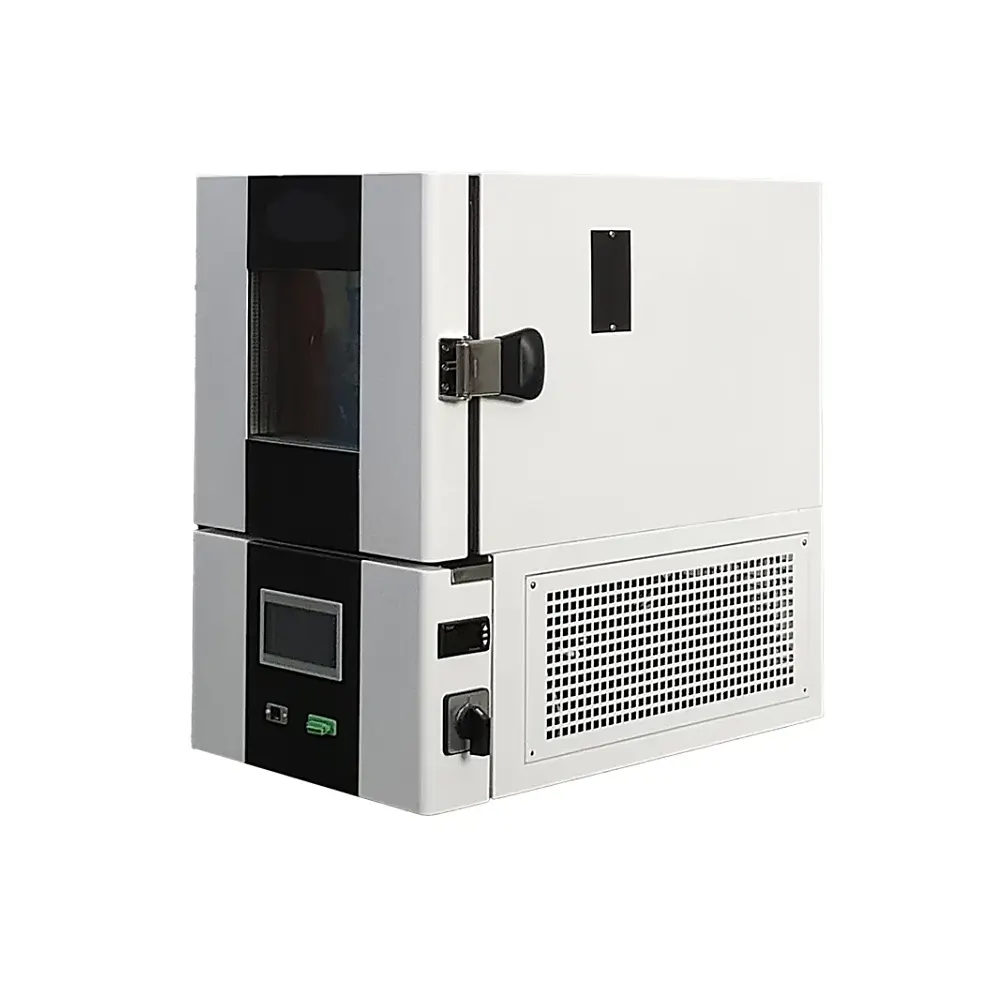
Derui Solar Simulation Chamber: Precision Testing for Lasting Performance
Experience unmatched accuracy and reliability with the Derui Solar Simulation Chamber—designed to replicate real-world sunlight conditions for precise, repeatable testing. Whether you’re evaluating photovoltaic modules, materials, or components, our advanced sun simulation test chamber ensures your products meet the highest standards of durability and performance over time.
Built for the demands of modern testing, the Derui chamber helps extend product longevity by exposing samples to controlled solar radiation, temperature, and environmental conditions. This means you get trustworthy results that drive smarter design decisions and reduce costly field failures.
Unlock the power of accurate solar exposure testing with Derui—where precision meets lasting quality.
Product Overview: Advanced Solar Simulation Chamber Technology
Our Derui Solar Simulation Chamber brings cutting-edge technology to your testing needs. Designed to replicate real-world sunlight conditions, this chamber uses high-intensity xenon lamps and precise control systems to simulate solar radiation, UV exposure, temperature, and humidity all in one compact unit.
It’s perfect for a wide range of core applications like testing photovoltaic (PV) modules, evaluating automotive materials, conducting aerospace durability tests, and accelerating weathering studies in materials science. Whether you need steady-state solar simulators for consistent irradiance or pulsed solar simulators for dynamic testing, Derui delivers reliable performance tailored to your project.
What sets the Derui Solar Simulation Chamber apart is its modular design, user-friendly control interface, and stringent compliance with global testing standards. These features ensure consistent, repeatable results, helping you improve product quality and longevity with confidence.
Key Features and Technical Specifications
Our Derui Solar Simulation Chamber is built for accuracy and durability, designed to meet the toughest testing needs with flexible control and reliable performance.
| Feature | Specification | Highlights |
|---|---|---|
| Irradiance Range | 200 – 1200 W/m² | Adjustable to simulate real sunlight levels |
| Light Source | Xenon lamp / Metal halide options | Stable, long-life lamps for consistent output |
| Temperature Range | -40°C to 85°C | Wide range for thermal stress testing |
| Humidity Control | 10% – 95% RH | Precise humidity settings for material testing |
| Vacuum Capability | Down to 10⁻³ Torr | Suitable for thermal vacuum solar testing |
| Simulation Modes | Steady-state & pulsed solar simulator | Covers different PV testing requirements |
| Control Interface | Touchscreen + Remote access | User-friendly with real-time monitoring |
| Compliance Standards | IEC 60904, ASTM E903, ISO 9847 | Meets global solar testing norms |
Key Feature Highlights:
- Dual light source options for tailored testing.
- Advanced humidity and temperature control for reliable environmental simulation.
- Vacuum environment ideal for space and aerospace solar tests.
- Smart control system for easy operation and precise data logging.
- Meets all major solar exposure testing equipment standards, ensuring test results you can trust.
This mix of features makes the Derui Solar Simulation Chamber perfect for simulating the full range of sunlight and environmental conditions encountered in the U.S. market.
Applications and Industry Use Cases
“Our Derui Solar Simulation Chamber, a specialized form of Environmental test chamber, fits perfectly across several industries...”
- Photovoltaics: Test solar panels and photovoltaic (PV) modules for performance and durability using our PV performance tester setup. Leading solar manufacturers rely on us to replicate real-world solar radiation, speeding up R&D and quality checks.
- Automotive: Auto companies use our solar radiation test chamber to measure how vehicle coatings, interiors, and components hold up under sunlight exposure. It’s key for UV aging test chambers that make sure cars withstand heat and light over time.
- Aerospace: Aerospace engineers simulate harsh sunlight and thermal vacuum solar system conditions to test materials and components in environments like outer space. The steady-state solar simulator capabilities help in accurate stress testing.
- Materials Science: Researchers study polymers, coatings, and composites under accelerated weathering simulator conditions. Our xenon lamp weatherometer simulates years of sun exposure within days, revealing how materials age.
Real-world users praise the Derui solar simulator chamber for speeding testing, improving accuracy, and cutting costs. One leading solar panel lab called it “essential for reliable product development,” while an aerospace manufacturer noted, “it’s the backbone of our material qualification process.” Whatever your field, our chamber adapts to your testing needs with precision and reliability.
Compliance and Testing Standards
Our Derui Solar Simulation Chamber meets all key global testing standards, ensuring you get reliable, repeatable results every time. The chamber is fully compliant with major industry norms such as IEC 60904 for photovoltaic testing, ASTM G155 for accelerated weathering, and ISO 10993 for material exposure. This means your solar radiation test chamber aligns with US and international protocols, giving you confidence in product validation.
We carry certification badges from recognized bodies, highlighting our commitment to quality and safety. These include UL certification, CE marking, and RoHS compliance, which confirm that the chamber is built to meet stringent environmental and safety guidelines.
To make compliance easy, downloadable resources like calibration certificates, test protocols, and verification reports are available with every unit. These documents support your audit and validation processes, so your team stays ahead of regulatory requirements without the headache.
With Derui, you’re not just purchasing a solar simulator chamber—you’re investing in a tool that helps you verify your products against the toughest standards in the industry.
Customization and Accessories for Solar Simulation Chambers
Our Derui solar simulation chambers are built to fit your exact testing needs. Whether you need a compact model or a larger setup, our sizing options make it easy to choose the perfect chamber for your lab or production line.
Modular Add-Ons
- Extended wavelength ranges: Add UV or infrared lighting modules for broader testing.
- Vacuum and humidity control: Precisely simulate different environments with optional vacuum or humidity accessories.
- Cooling systems: Keep your samples stable with integrated cooling units for high-temperature testing.
Accessory Options
- Photovoltaic module holders: Secure your solar panels or cells for accurate PV performance testing.
- Data acquisition kits: Upgrade your chamber with real-time monitoring tools for better test tracking.
- Software packages: Customize control interfaces to automate cycles or integrate with lab systems easily.
We designed our customization options to give you full control and flexibility with your solar radiation test chamber. Need help choosing the right setup? Our team is ready to guide you through the sizing and accessories that best fit your testing goals.
Installation, Operation, and Maintenance
Setting up your Derui Solar Simulation Chamber is straightforward. We provide a clear step-by-step guide in the user manual to get you up and running quickly. The installation process covers positioning the chamber, connecting power and data lines, and calibrating the solar simulator for accurate testing.
Operating the chamber is user-friendly, thanks to an intuitive control interface. You can easily adjust irradiance, temperature, humidity, and vacuum settings to match your specific testing needs. Our software also offers preset test profiles for common solar exposure scenarios, speeding up your workflow.
Maintenance is simple but essential to keep the solar radiation test chamber performing at its best. We recommend routine checks including:
- Cleaning xenon lamps and optical components
- Inspecting seals and vacuum system integrity
- Verifying sensor accuracy and calibration
- Following the preventive maintenance schedule provided in the manual
Regular upkeep ensures long-term reliability and accurate test results, helping your products meet durability and performance standards. If you need help, our customer support is ready to assist with troubleshooting and maintenance tips.
Quality Assurance and Warranty
At Derui, quality isn’t just a buzzword—it’s built into every solar simulation chamber we make. Our manufacturing process uses top-grade materials and precision engineering to ensure reliable, long-lasting performance you can count on. Each unit undergoes thorough testing to meet strict solar exposure testing equipment standards, so you get consistent, accurate results every time.
We back our products with a solid warranty that covers key parts and workmanship, giving you peace of mind for your investment. Plus, our performance metrics are transparent and easy to access, showing you how the chamber meets or exceeds industry benchmarks for irradiance stability, temperature control, and environmental simulation.
In short, when you choose a Derui solar simulator chamber, you’re getting proven quality, dependable durability, and support that keeps your testing running smoothly.
Pricing and Purchasing Options
We offer flexible pricing tiers to fit different budgets and project sizes. Whether you need a basic solar simulator chamber or a fully customized sun simulation test chamber, we have options that work.
| Package | Features | Price Range |
|---|---|---|
| Standard | Core solar radiation test chamber features | $25,000 – $40,000 |
| Advanced | Includes UV aging test chamber and control upgrades | $40,000 – $65,000 |
| Custom | Tailored configurations with modular add-ons | Contact for quote |
Financing Options
- Flexible payment plans available for U.S. customers
- Lease-to-own programs to ease upfront costs
- Financing tailored to business size and credit
Custom Pricing
For unique setups or large-scale projects, reach out to us directly. We’ll work with you to design a solar simulator chamber that fits both your needs and your budget.
Contact us today for a personalized quote or to learn more about our tiered pricing and financing options.
Customer Support and Resources
We’re here to make your experience with the Derui Solar Simulation Chamber smooth and hassle-free. Our dedicated support team is ready to help through phone, email, or live chat whenever you need assistance.
You’ll find plenty of resources on our website, including easy-to-follow tutorials and detailed FAQs that cover setup, operation, and troubleshooting. For customers focused on ROI, we offer tools to help you calculate cost savings and efficiency gains from using our solar simulator chambers.
Don’t just take our word for it—check out customer testimonials from businesses across photovoltaics, aerospace, and materials science. They highlight how our chambers have boosted testing accuracy and product reliability.
Whether you’re new to solar simulation testing or upgrading your lab, we’re committed to supporting you every step of the way.
Ready to Upgrade Your Testing?
Explore our full range of solar simulation chambers and related environmental testing equipment designed to fit your needs. Whether you’re looking for a steady-state solar simulator, pulsed solar simulator, or a UV aging test chamber, we’ve got reliable options built for accurate results and long-term durability.
Have questions or want a custom solution? Contact our experts today for a free consultation and see how Derui can help boost your product testing and quality assurance.
Related Products:
- Xenon Lamp Weatherometer
- Photovoltaic Module Tester
- Solar Radiation Test Chamber
- Thermal Vacuum Solar System
Get in touch now — your next-level solar testing starts here!