Tầng 1, số 3, đại lộ Shugang, thị trấn Hongmei, thành phố Đông Quan, tỉnh Quảng Đông, Trung Quốc

Nhà sản xuất buồng kiểm tra môi trường 20 nămHơn 3000 khách hàng trên toàn thế giới giao hàng           Email: shirley@deruitest.com
WhatsApp Consultation:+86 135 2795 8363
Buồng Kiểm Tra PinBuồng Kiểm Tra Pin

Battery Test Chamber Manufacturer & Safety Solutions

Configure environmental and safety test equipment for EV and lithium-ion cells, modules and packs. Select temperature, humidity, low-pressure and abuse-test systems from the exact method and hazard assessment.

Máy kiểm tra ngắn mạch nội bộ bắt buộc của pin với điều khiển lực chính xác và kiểm soát nhiệt độ

Máy kiểm tra ngắn mạch nội bộ bắt buộc của pin với điều khiển lực chính xác và kiểm soát nhiệt độ

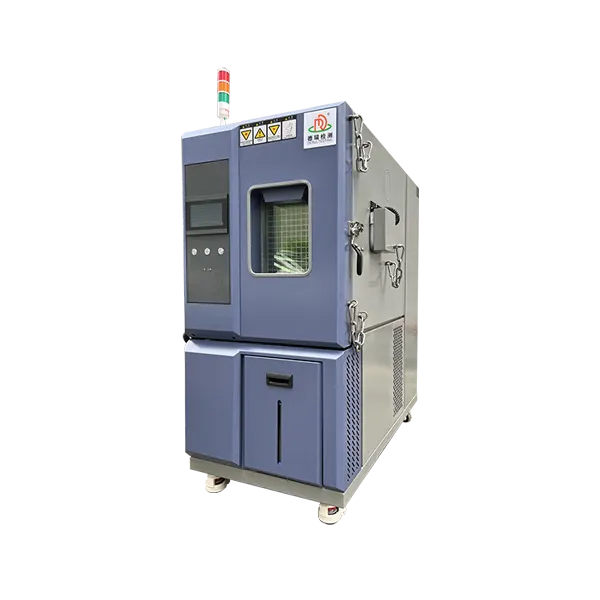
Buồng thử nhiệt độ pin

Buồng thử nhiệt độ pin

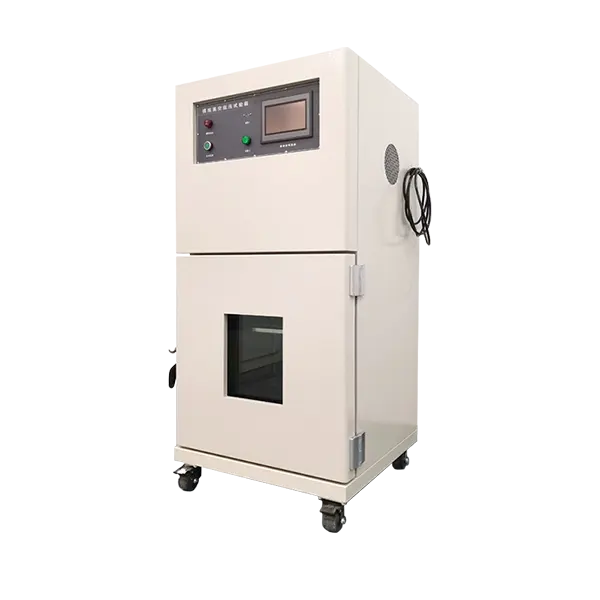
Buồng mô phỏng độ cao pin

Buồng mô phỏng độ cao pin

Buồng thử nghiệm tác động pin

Buồng thử nghiệm tác động pin

Buồng thử nghiệm nghiền pin

Buồng thử nghiệm nghiền pin

Máy Thử Nhiệt Cháy Tế Bào Pin Xe Điện

Máy Thử Nhiệt Cháy Tế Bào Pin Xe Điện

Buồng thử nghiệm lạm dụng pin

Buồng thử nghiệm lạm dụng pin

Buồng thử nghiệm đốt cháy pin

Buồng thử nghiệm đốt cháy pin

Hệ Thống Kiểm Tra Pin Năng Lượng

Hệ Thống Kiểm Tra Pin Năng Lượng

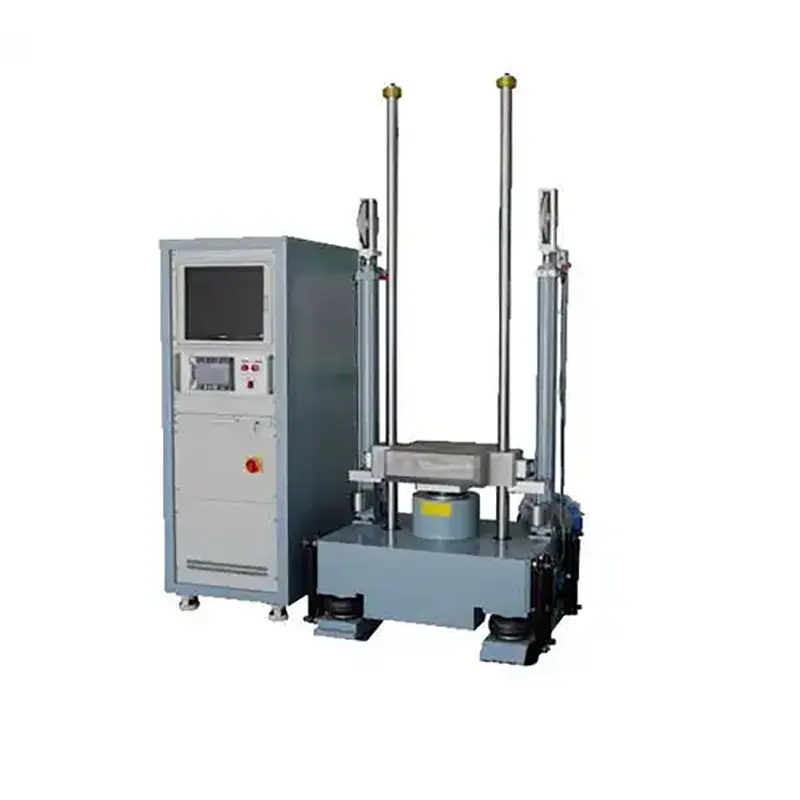
Máy gia tốc mô-đun pin với mô phỏng sốc chính xác cho thử nghiệm tác động

Máy gia tốc mô-đun pin với mô phỏng sốc chính xác cho thử nghiệm tác động

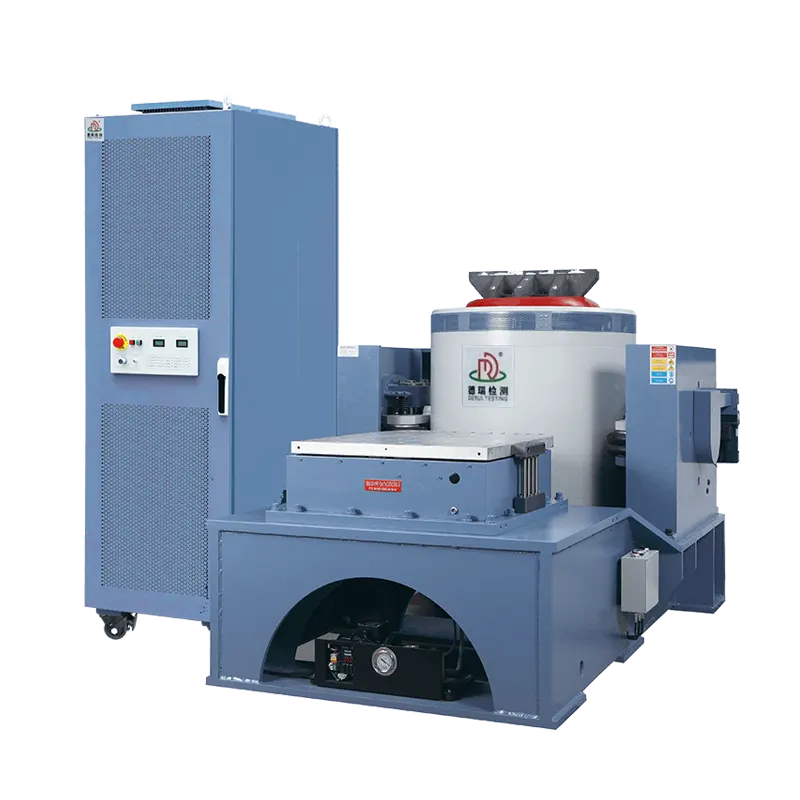
Bàn kiểm tra rung điện từ với phạm vi tần số 600Hz

Bàn kiểm tra rung điện từ với phạm vi tần số 600Hz

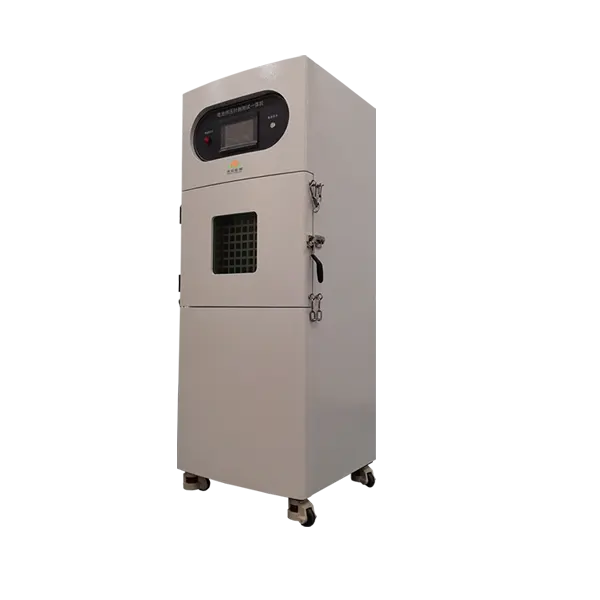
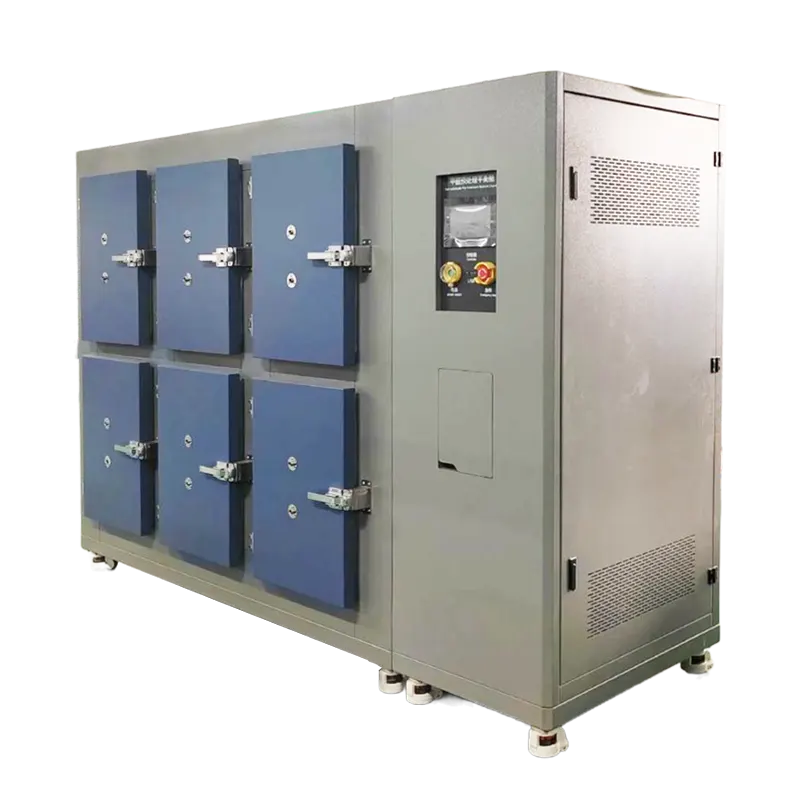
Buồng kiểm tra pin Lithium đa lớp với độ an toàn và hiệu quả cao

Buồng kiểm tra pin Lithium đa lớp với độ an toàn và hiệu quả cao

Specify Battery Test Equipment from the Method and Hazard

Battery environmental and abuse equipment must be selected from battery chemistry, format, energy, state of charge, operating condition, expected failure modes and the exact procedure. No single chamber is suitable for every battery test.

Test Method and Hazard Assessment

Identify whether the requirement is environmental conditioning, altitude, thermal cycling, crush, impact, short circuit, vibration or fire exposure. Document expected gases, pressure, electrolyte release, fire and electrical hazards before selecting equipment.

Define the Battery Test Method →

Environmental Conditioning or Abuse Testing

Temperature and humidity chambers produce controlled climatic profiles. Crush, impact, fire and electrical-abuse procedures require dedicated mechanisms and protection selected for the expected failure mode.

Compare Environmental and Abuse Tests →

Temperature, Humidity or Low Pressure

State whether the procedure requires climatic cycling, low-pressure exposure, or simultaneous temperature-pressure control. A battery altitude chamber and an altitude temperature chamber are different procurement decisions.

Review Battery Altitude Simulation →

Specimen Load and Monitoring Interfaces

Provide dimensions, mass, quantity, stored energy, state of charge, energized heat load and required voltage, current, temperature, pressure or gas channels. Confirm cable ports and monitoring connections in the approved configuration.

Request an Interface Review →

Containment, Venting and Emergency Functions

Select reinforced construction, pressure relief, exhaust, gas monitoring, fire-system interfaces, isolation and emergency shutdown from the battery risk assessment. Do not assume every feature is standard on every model.

Review Battery Abuse Equipment →

Site Readiness and Acceptance Testing

Confirm electrical supply, room ventilation, exhaust destination, drainage, safety distances, emergency response and post-test handling. Define alarm, interlock, monitoring and record checks for factory or site acceptance.

Request a Site and Safety Review →

Build the Battery Test System Around the Actual Method and Hazard

Send the exact procedure and revision, battery chemistry, cell/module/pack format, dimensions, mass, quantity, stored energy, state of charge, operating connections, expected failure modes, monitoring channels and site-safety provisions.

Request a Battery Test Safety Review Download Battery Test Equipment Information

Battery test equipment selection

Choose the Test Mechanism Before the Chamber

A battery temperature profile, a forced short circuit, a crush event and a fire exposure call for different equipment and laboratory safeguards. Start with the exact procedure, cell or module format, state of charge, stored energy and credible failure mode. Use the routes below to find the relevant product page; no single cabinet performs every battery test.

Required test Relevant product pages What determines the configuration
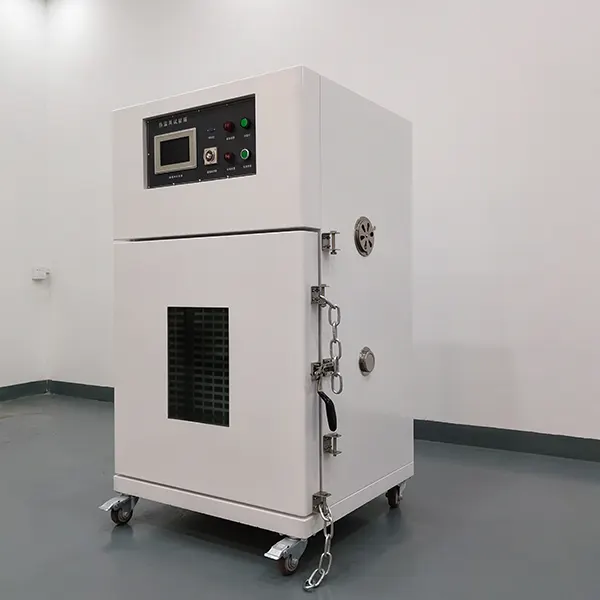
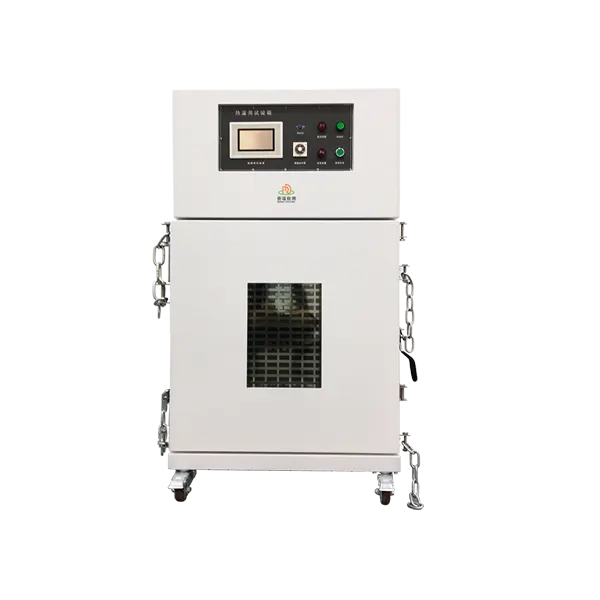
Temperature exposure, climatic cycling or separated specimen levels Buồng thử nhiệt độ pin
Buồng kiểm tra pin Lithium nhiều lớp
Loaded temperature profile, specimen spacing, powered heat output, monitoring channels and safety requirements. Confirm any independent layer control in the approved configuration.
Reduced-pressure exposure Battery Altitude Simulation Test Chamber Specify absolute pressure, hold time, ambient-temperature conditions and specimen state. A low-pressure-only chamber is not automatically a combined temperature–pressure system.
Electrical abuse or cell cycling and measurement Forced Internal Short Circuit Tester
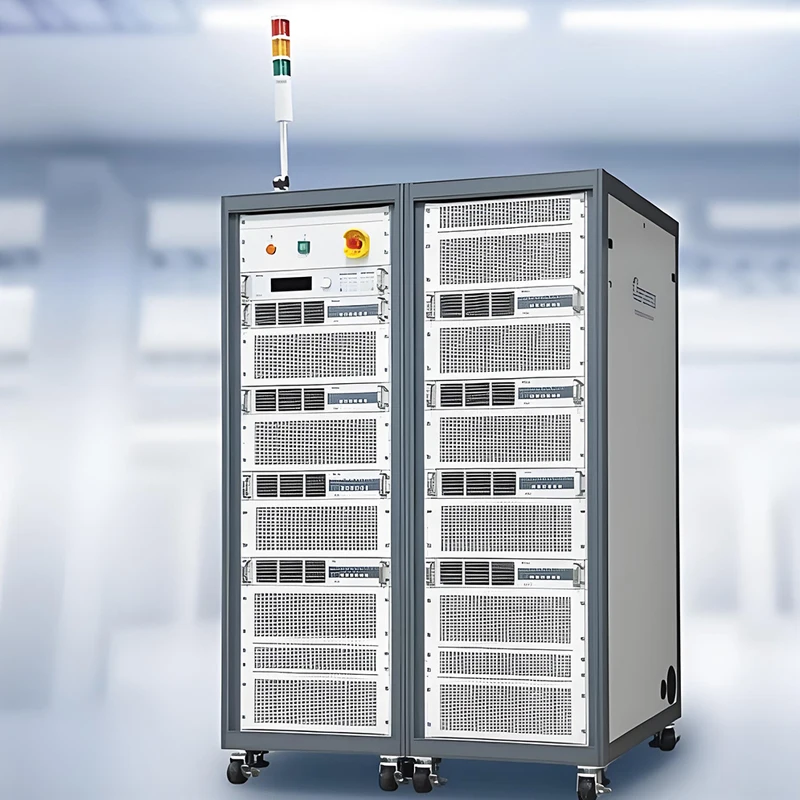
Hệ Thống Kiểm Tra Pin Năng Lượng
Define the exact short-circuit method, force and electrical records for the first system. The cell-testing system is a cycling/measurement platform, not a protective abuse chamber.
Impact, accelerated impact or crush Buồng thử nghiệm tác động pin
Battery Module Accelerated Impact Tester
Buồng thử nghiệm nghiền pin
Impact energy or acceleration, contact geometry, specimen orientation, fixture, crush force and stop criteria are method-specific. These mechanisms are not interchangeable.
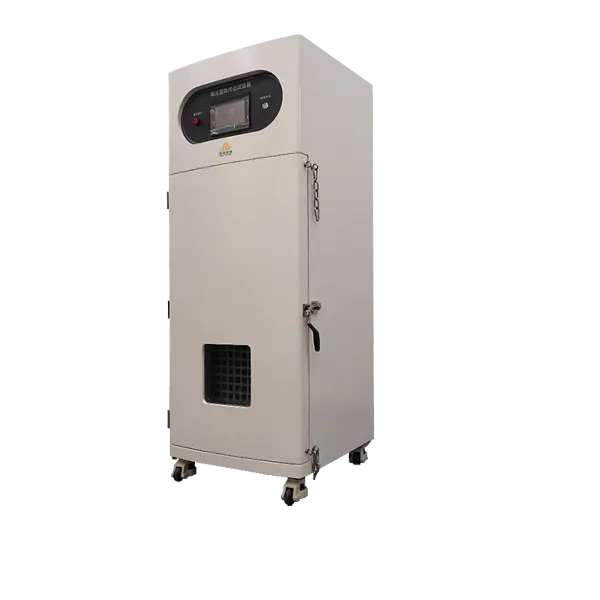
High-temperature abuse, flame exposure or fire observation Battery Thermal Abuse Test Chamber
Máy Thử Nhiệt Cháy Tế Bào Pin Xe Điện
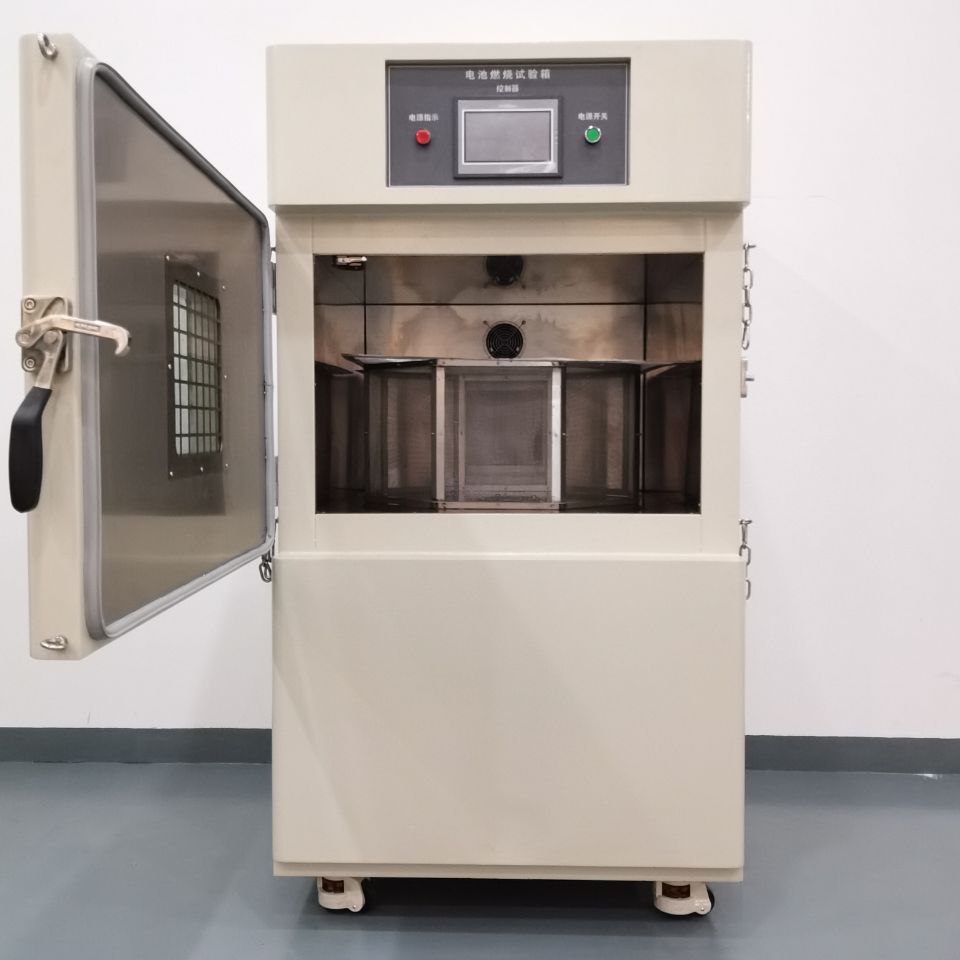
Buồng thử nghiệm đốt cháy pin
Programmed heating and direct flame are different exposures. Define the method, fuel or heat input where applicable, expected vent gas, exhaust route, isolation and emergency response.
Controlled vibration Electromagnetic Vibration Test Bench Specify sine, random or transport profile; frequency, acceleration, axes, duration, specimen mass, fixture and required control/report evidence.
Method suitability and safety are separate checks. A reference to UN 38.3, IEC, UL or another standard does not establish that every listed device covers every clause. Match the selected edition, specimen and acceptance criteria to the equipment mechanism, then specify containment, pressure relief, exhaust, detection and interlocks from the project risk assessment. For a deeper planning framework, see the battery test chamber safety guide.

Send a Test Plan, Not Just a Battery Size

These details let engineering review the test mechanism, monitoring, safeguards and site interfaces together.

Method
Standard, edition, clause, profile and pass/fail criteria
Battery
Chemistry, cell/module/pack format, dimensions, mass, quantity and energy
cURL Too many subrequests by single Worker invocation. To configure this limit, refer to https://developers.cloudflare.com/workers/wrangler/configuration/#limits
State of charge, energized load, cycler and cable connections
Failure scenario
Credible gas, pressure, electrolyte, fire and electrical hazards
Measurement
Voltage, current, temperature, force, pressure and event records
Facility
Power, ventilation, exhaust destination, emergency plan and FAT checks

Send your battery test requirements to DERUI for an equipment and safety review →

WhatsAppWhatsApp
WhatsAppWhatsApp
WhatsApp
Tin nhắnTin nhắn

Yêu cầu báo giá