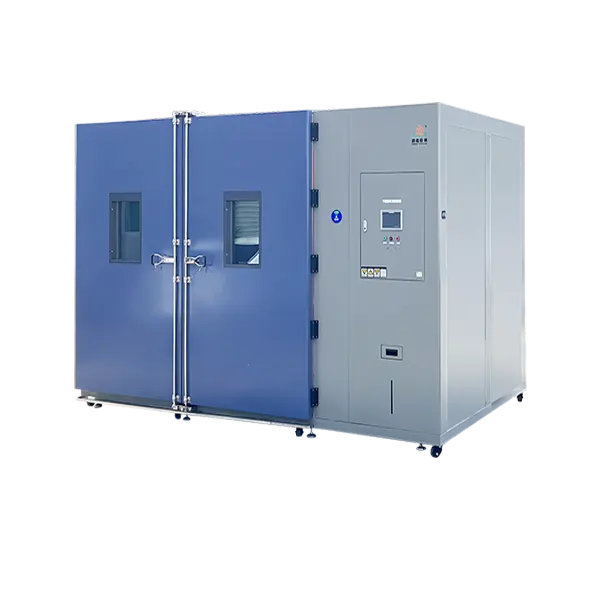
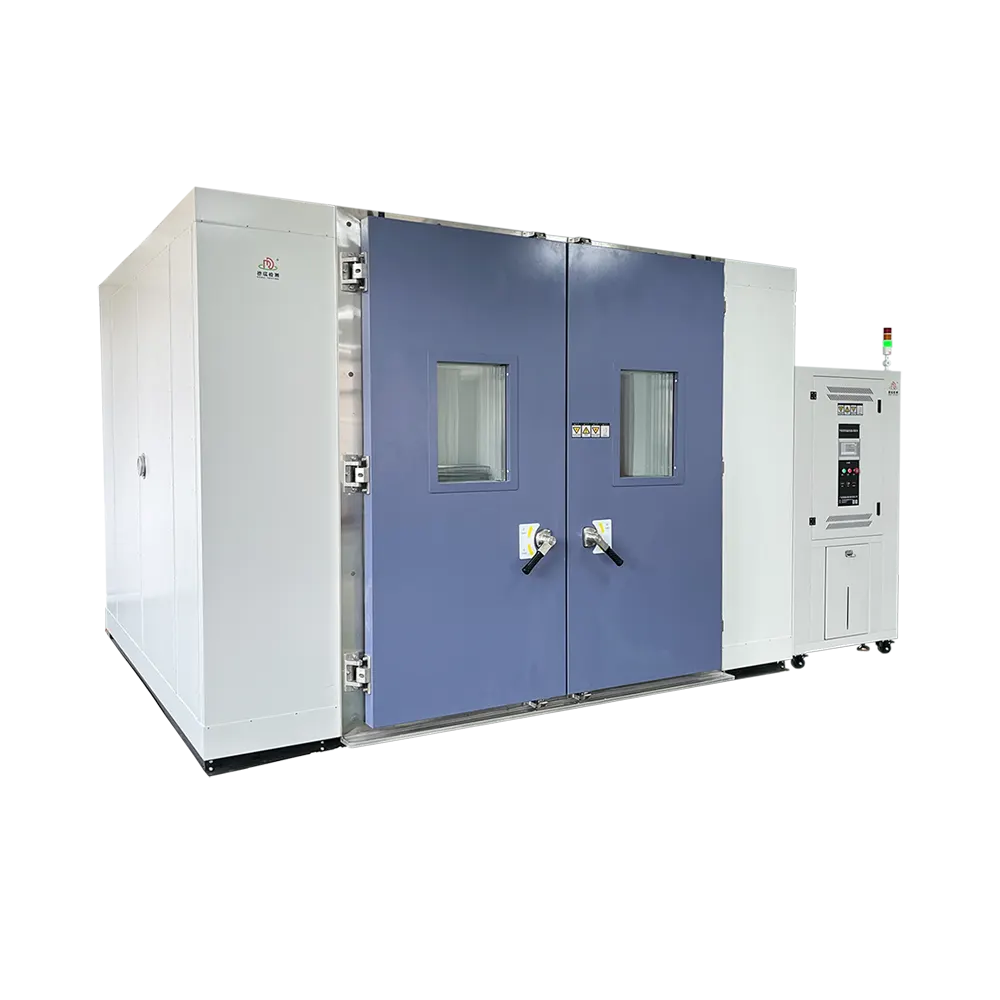
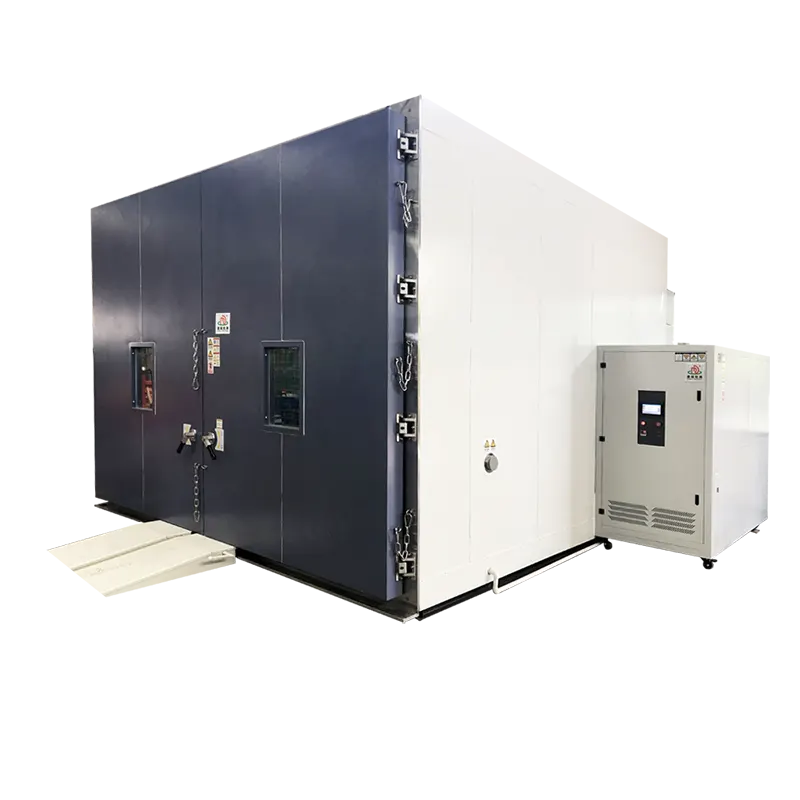
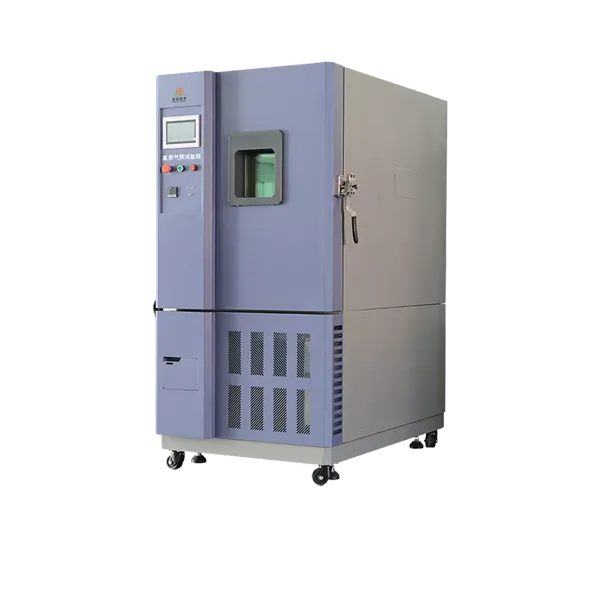
Can DR-D701 Reproduce Your Vibration Profile with the Real Payload?
A frequency number alone cannot answer that. The proposed machine must sustain the specified acceleration or displacement after the specimen and fixture are installed, in the required axis, for the full test duration. Use this page to define that engineering decision before ordering DR-D701.
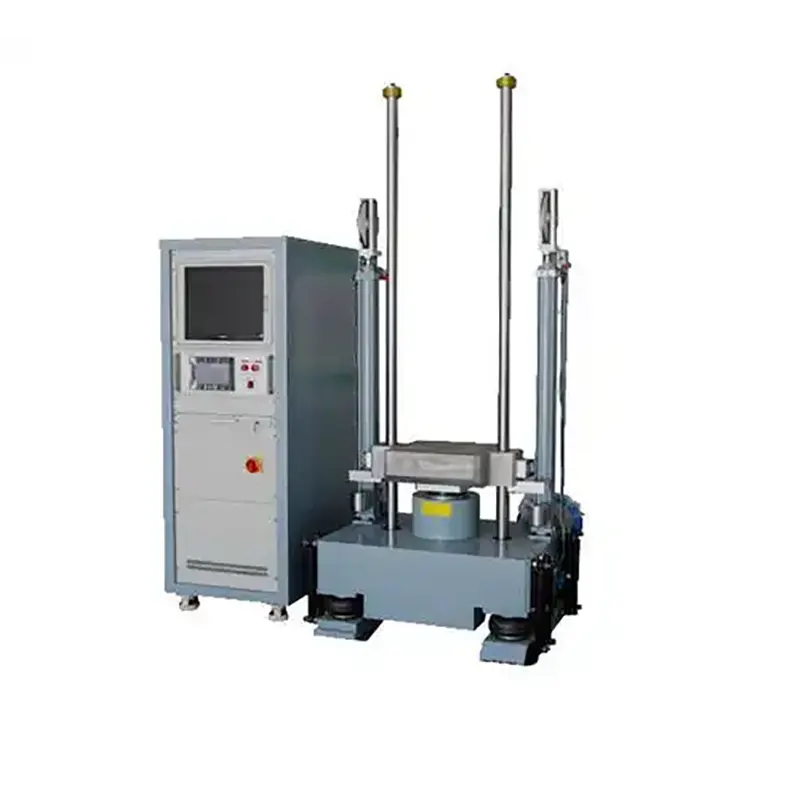
Is DR-D701 a Shaker System or a Multi-Point Vibration Platform?
The present page uses “electromagnetic shaker,” “four-point excitation” and “uniform table vibration” as if they describe one unambiguous machine. They may imply different actuator and control architectures. This must be resolved before a technical claim—or a vibration-standard comparison—is credible.
Electrodynamic shaker route
Request the shaker model, armature diameter/mass, amplifier rating, cooling method, controller, head expander or slip table, and loaded performance envelope. A single shaker system is normally selected around force, displacement, velocity and acceleration limits.
Multi-point platform route
Request actuator count/location, table size, payload distribution, phase synchronization, control-point placement and measured spatial uniformity. A “four-point” statement cannot substitute for this evidence.
Why 100 kg and 50 g Cannot Be Quoted in Isolation
The first screening calculation for a shaker is required force ≈ total moving mass × target acceleration. “Total” includes the specimen, fixture, armature or slip-table moving parts, adapters, cables and relevant attachments—not just the specimen on the bench. Resonance and control strategy can increase the practical demand, so final selection requires the vendor's rated envelope and a witnessed run.
Illustrative sizing only—not a DR-D701 capability claim
If a proposed test has a 20 kg specimen, 10 kg fixture and 8 g peak acceleration, even the specimen plus fixture alone call for approximately (20 + 10) × 8 × 9.81 = 2,354 N peak. The moving-element mass, margins and dynamic effects would increase the required system rating. This example cannot prove DR-D701 can perform the test.
Low frequencies: stroke
Large displacement may be required before a high acceleration value is reached. Confirm peak-to-peak stroke and mechanical clearance.
Middle band: velocity
The velocity limit can constrain the sweep even when force and stroke appear adequate.
High frequencies: force/control
Moving mass, fixture resonances and sensor placement govern whether target acceleration is actually maintained.
For a sinusoidal point, peak displacement is x = a/(2πf)². This relationship explains why the same acceleration target can demand very different travel at different frequencies. It is a physics check, not a substitute for the machine's measured performance curve.
Three Profiles That Should Not Be Merged into One Claim
| Buyer request | Required input | What DR-D701 must demonstrate |
|---|---|---|
| IEC 60068-2-6 sinusoidal vibration | Frequency band, sweep rate, amplitude/acceleration, axes, duration, functional checks and mounting | Loaded sine sweep with control tolerance and resonance handling |
| IEC 60068-2-64 broadband random vibration | PSD breakpoints, overall grms, duration, axes, control/abort channels | Installed random controller, force rating, control spectra and data report |
| UN 38.3 T.3 battery transport vibration | Adopted manual revision, specimen definition, mounting orientations, prescribed sweep and post-test criteria | Method-specific profile, fixture/monitoring and witnessed evidence; no automatic product certification |
IEC describes cURL Too many subrequests by single Worker invocation. To configure this limit, refer to https://developers.cloudflare.com/workers/wrangler/configuration/#limits as a sinusoidal method and IEC 60068-2-64 as broadband random. The UN Manual of Tests and Criteria has a separate T.3 transport-vibration procedure. The final test plan, not the standard name in a brochure, determines suitability.
The Fixture and Accelerometer Can Decide the Result
Mounting review
Document the bolt pattern, fixture material, stiffness, first fixture resonance, specimen center of gravity and cable routing. A heavy, flexible fixture may consume force and distort the input before the specimen sees the intended vibration.
When the test changes axis, define whether a horizontal slip table or a separate mounting orientation is used. The horizontal assembly's mass and travel must be included in sizing.
Control review
Place control and monitoring accelerometers according to the method and fixture dynamics. Agree single- or multi-point control, abort limits, notching where appropriate, sensor calibration and what waveform/PSD report will be delivered.
At resonances, the specimen can experience an amplified response while the control point remains within tolerance. Compare both control and response channels during FAT.
Ask DERUI to Prove One Representative Loaded Profile
1. Identify the build
DR-D701 nameplate, actual machine and fixture photos, shaker/actuator, amplifier, controller and axis hardware.
2. Show the envelope
Rated sine/random force, frequency, stroke, velocity, acceleration, payload and table size—with definitions and simultaneous-limit conditions.
3. Witness the profile
Run a representative specimen/fixture mass at agreed low-, mid- and high-band points. Supply raw control data and deviation/abort record.
Also agree factory utilities: electrical input, cooling airflow, floor loading, room noise, lifting/access clearance and any climate-chamber interface. If combined temperature/vibration is required, review the separate combined system rather than assuming it is part of DR-D701.
Questions to Resolve Before Quotation
Is the DR-D701 frequency ceiling 600 Hz or 5,000 Hz?
The live page states both. The correct value—and whether it changes by configuration—requires a signed DR-D701 datasheet and loaded performance curve. The H1 should not retain “600Hz” until resolved.
Does “100 kg load” mean it can deliver 50 g with 100 kg installed?
No such combined capability is proven by the page. Total moving mass and the force, velocity, stroke and frequency limits must be checked at the required test points.
Is random vibration standard?
The current copy claims sine and random, but the exact controller, amplifier and loaded random-force rating are not identified. Confirm the ordered software and witnessed PSD run.
Does the machine provide four-point excitation?
The phrase appears in the existing copy without a machine drawing. Confirm the actual actuator architecture before making it a product feature.
Will this automatically satisfy UN 38.3?
No. A qualified laboratory must follow the adopted T.3 procedure with the correct specimen and records; the equipment must first be shown capable of the required loaded profile.
Send One Profile. Get a Verifiable System Proposal.
Share the test method and your specimen/fixture data. Ask for the exact DR-D701 configuration, a sizing calculation and a witnessed sample run—not a collection of unrelated headline maximums.
Attach these four items
- Waveform or PSD and duration
- Specimen and fixture mass/drawing
- Axes and sensor locations
- Acceptance/reporting requirements