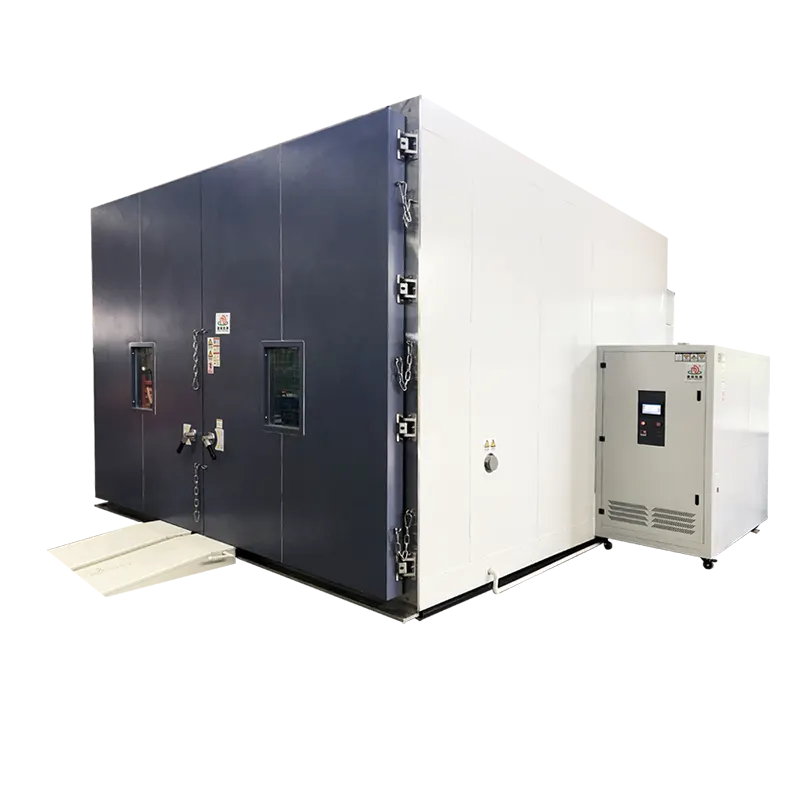
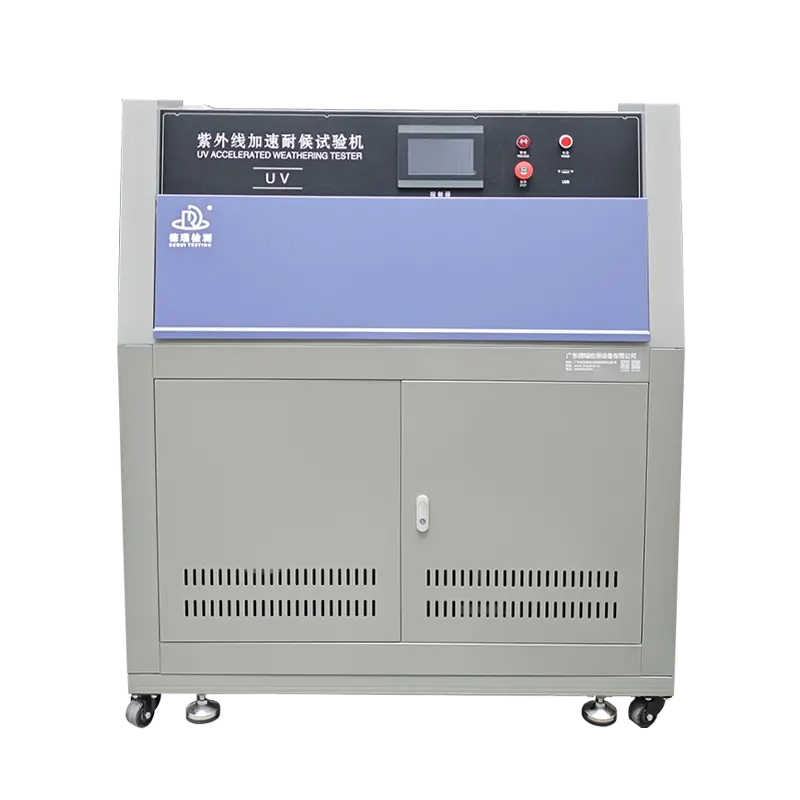
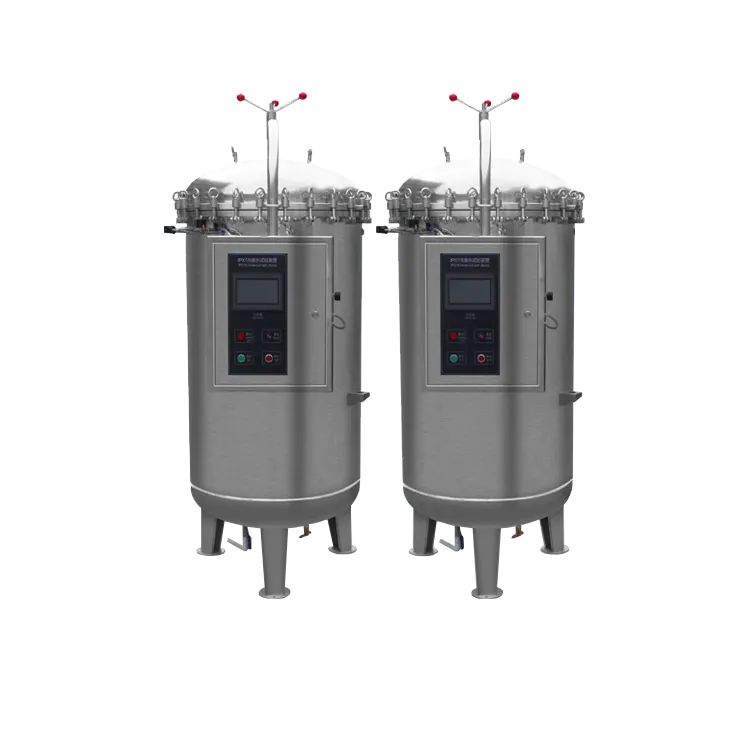
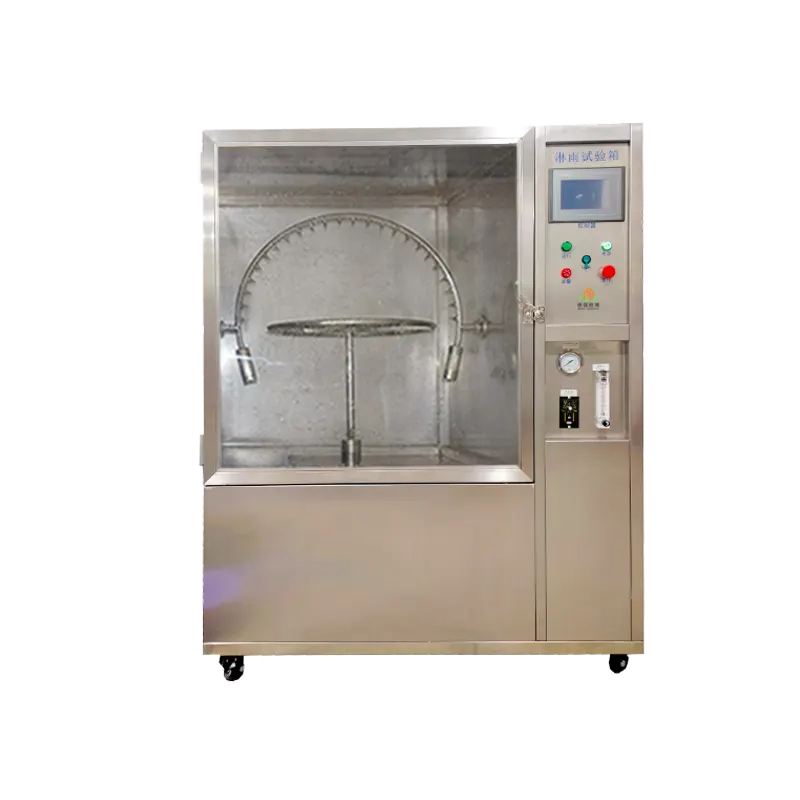
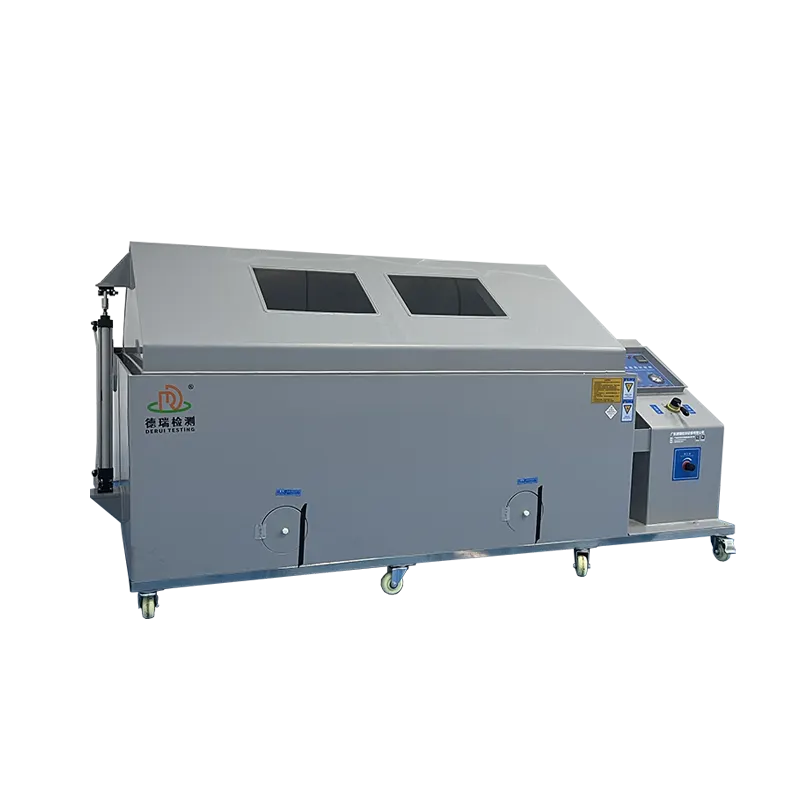
Select the chamber from the governing method, environmental stress, specimen, operating load and acceptance criteria—not from a catalogue range alone. A complete requirement allows chamber type, workspace, performance, safety interfaces and site utilities to be evaluated together.
Governing Standards and Test Sequence
Start with the applicable IEC, ISO, ASTM, MIL-STD, GB or customer procedure. Record every exposure stage, setpoint, tolerance, dwell, transition, cycle count and pass criterion so the chamber is selected for the actual method rather than a general test name.
Review Test Standards and Methods →
Environmental Stress and Chamber Technology
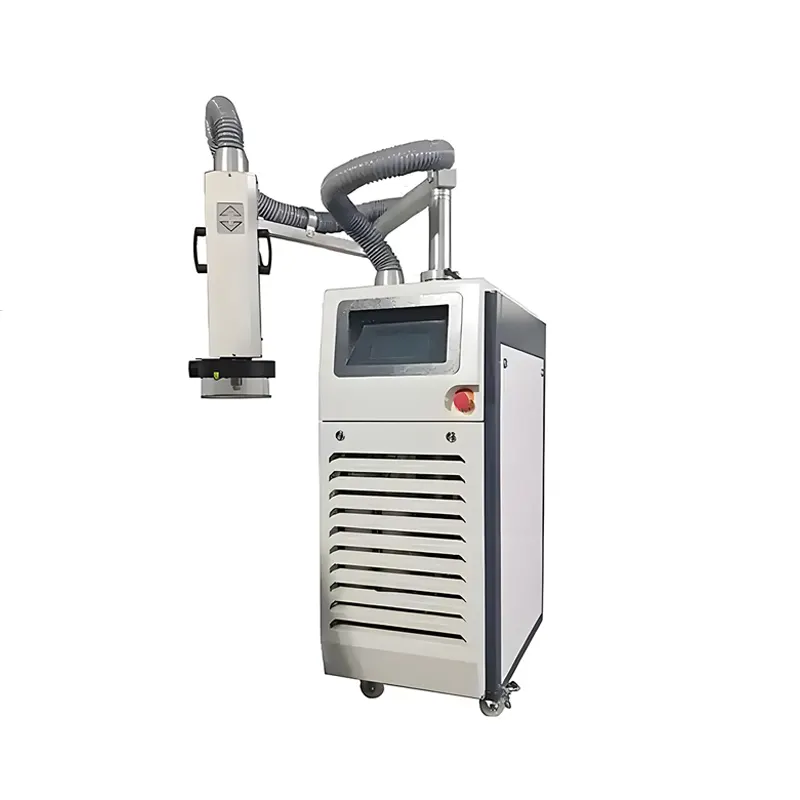
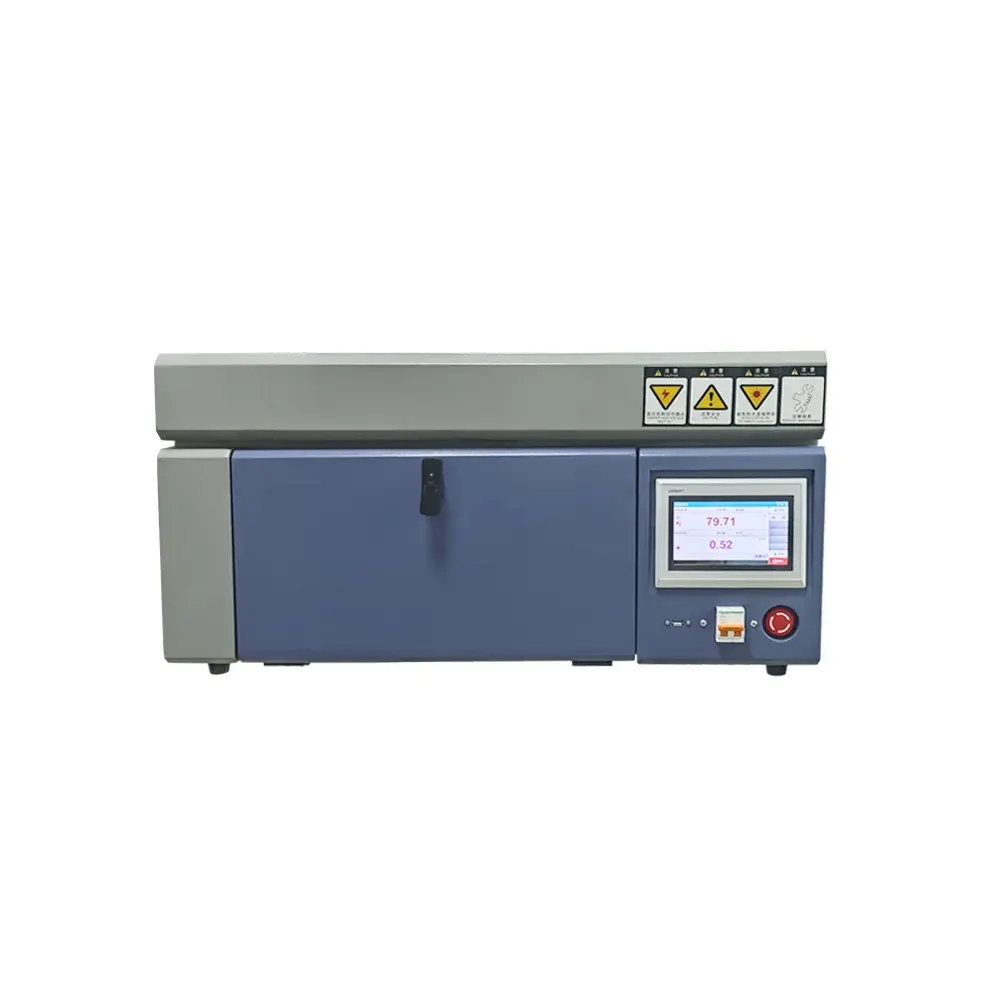
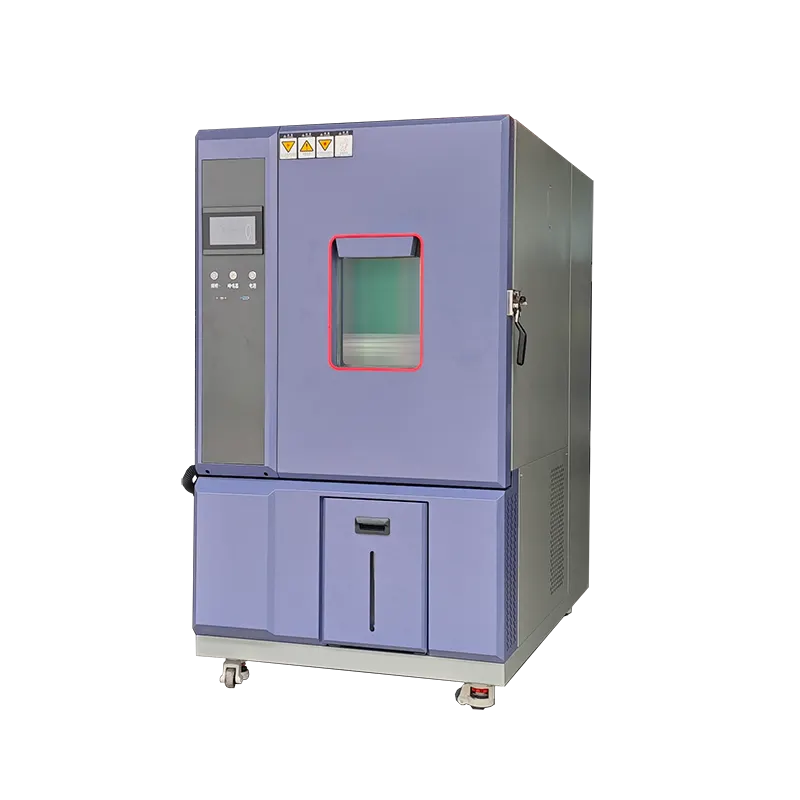
Define whether the product requires temperature, humidity, thermal shock, altitude, salt fog, UV or xenon weathering, dust, rain or a combined exposure. Different stresses require different conditioning, circulation, measurement and specimen-handling systems.
Compare Environmental Test Systems →
Workspace, Specimen and Airflow
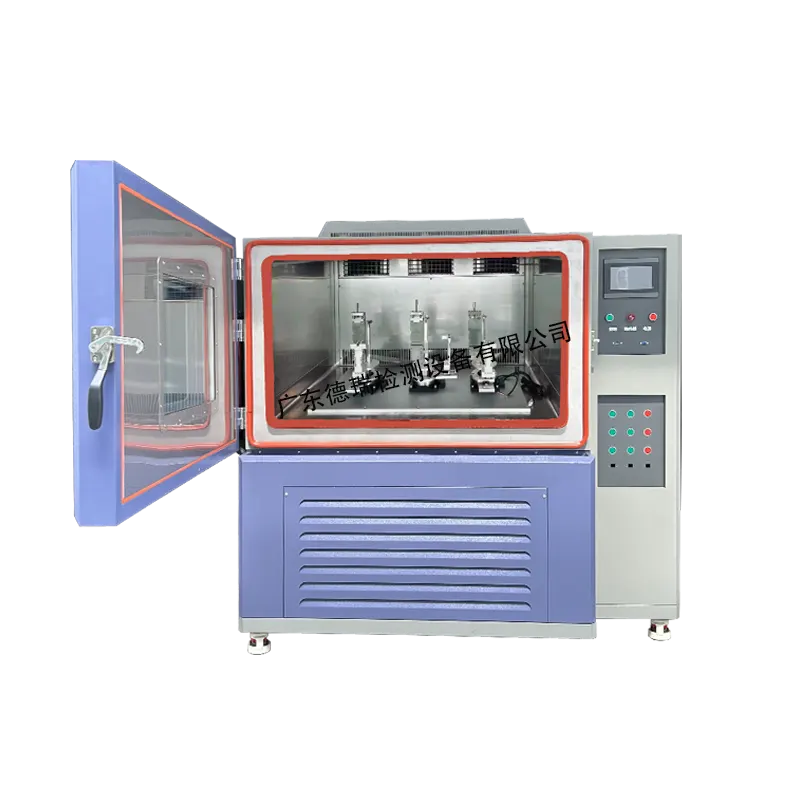
Provide the loaded specimen envelope, quantity, mass, fixtures, shelves, cable routing and required clearance. Usable workspace and airflow around the load matter more than nominal chamber volume and directly affect uniformity and specimen response.
Plan Chamber Size and Loading →
Performance under the Actual Test Load
State whether ramp rate, recovery and tolerances apply to chamber air or the specimen. Product thermal mass, energized heat output, fixtures and door openings can change pull-down, heat-up, recovery and refrigeration capacity.
Evaluate Loaded Chamber Performance →
Monitoring, Safety and Test Interfaces
List powered operation, sensor channels, internal power, cable ports, data recording, observation, pressure or fluid connections and foreseeable hazards. Battery, altitude and other high-risk tests require application-specific containment, alarms and interlocks.
Review Safety and Monitoring Options →
Site Utilities and Acceptance Criteria
Confirm electrical supply, cooling method, water, drainage, exhaust, ambient limits, installation access and service clearance. Define calibration, uniformity, fluctuation, loaded performance, alarms, records and documentation required for factory or site acceptance.
Prepare a Configuration and FAT Review →
Need the Right Chamber for a Defined Test Requirement?
Send the standard, complete exposure profile, specimen dimensions and mass, powered heat output, monitoring points, safety risks, available utilities and required delivery date. DERUI will review chamber type, usable workspace, loaded performance and configuration before quotation.
Request a Test Chamber Configuration Review
Download Test Chamber Information