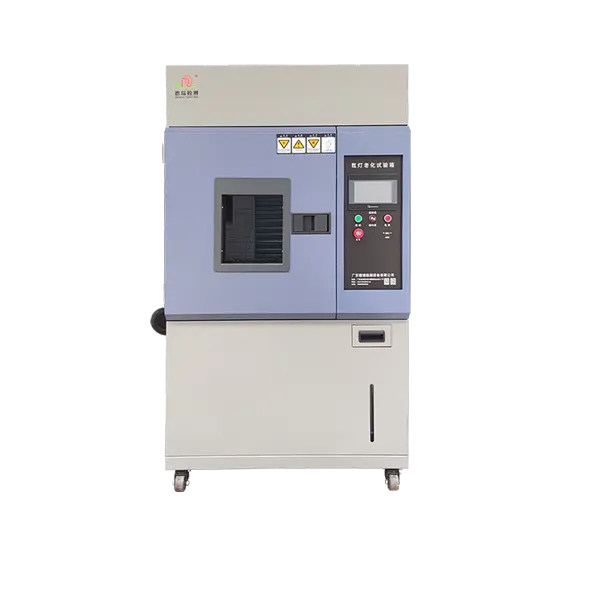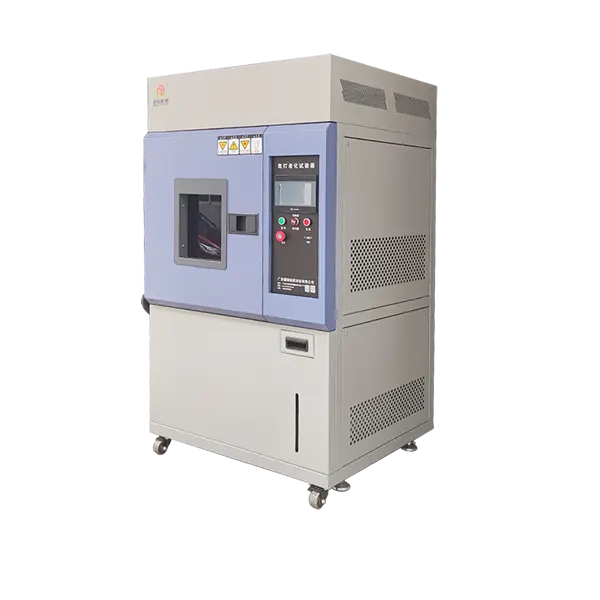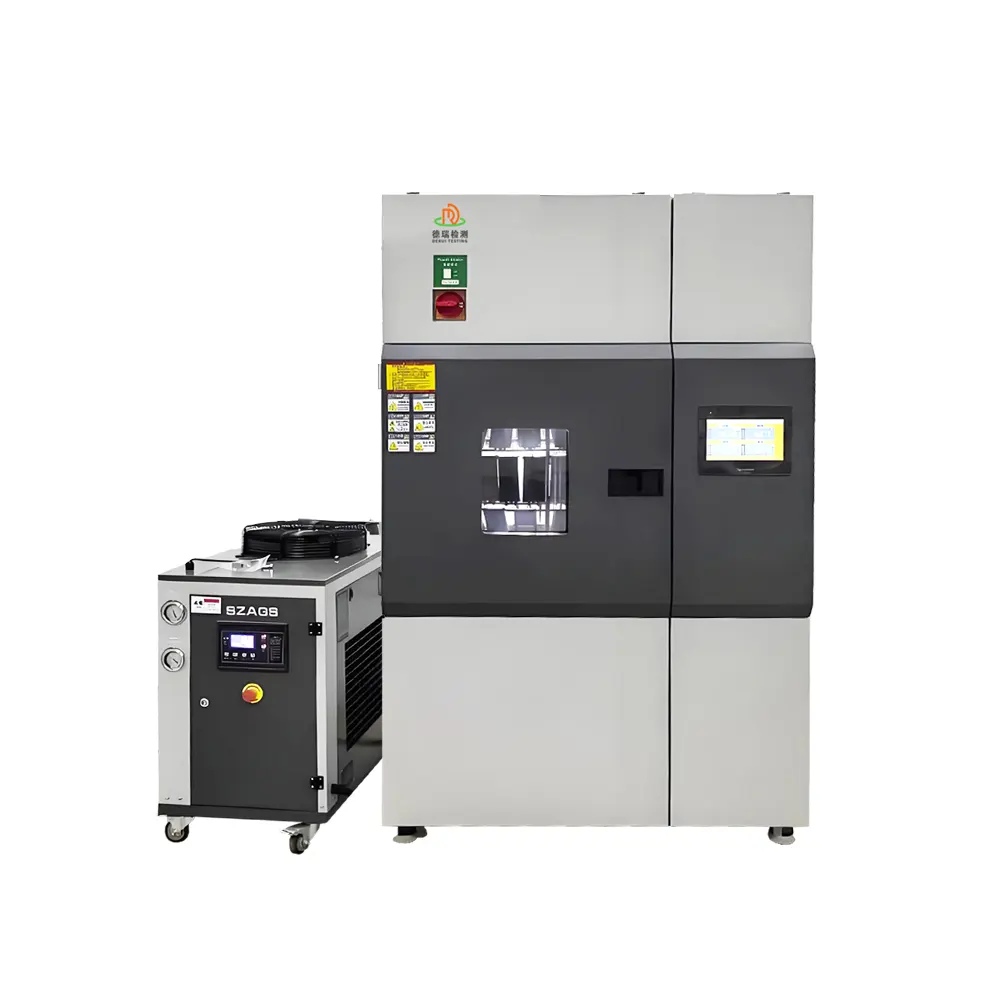
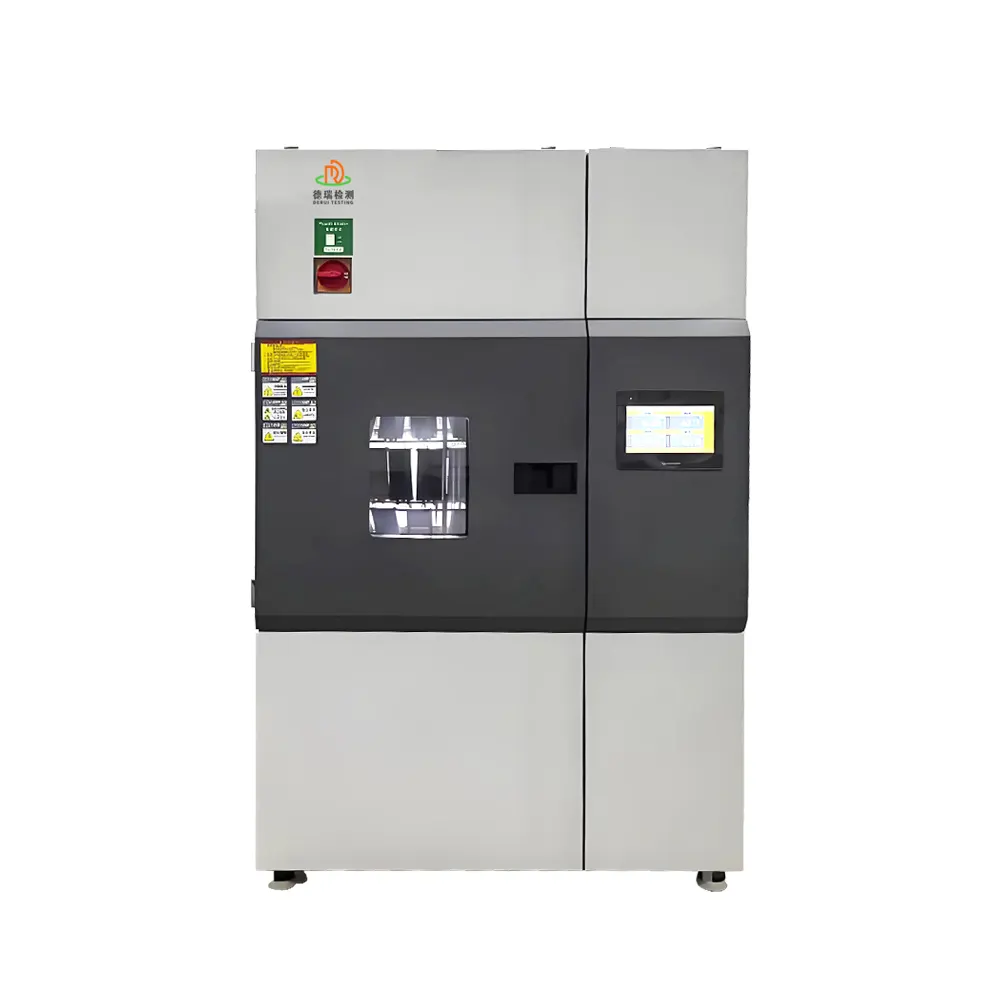
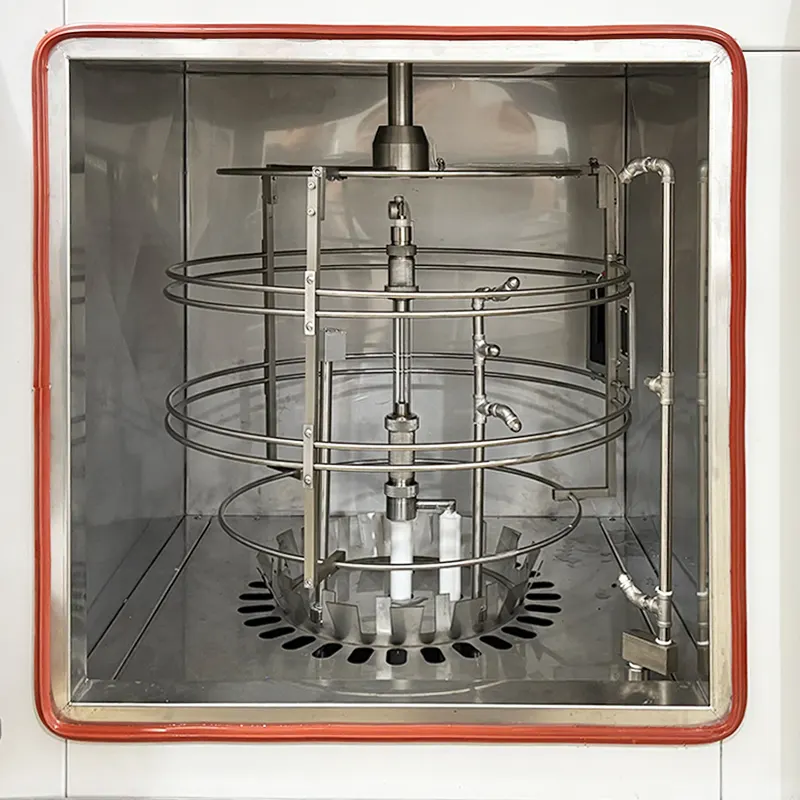
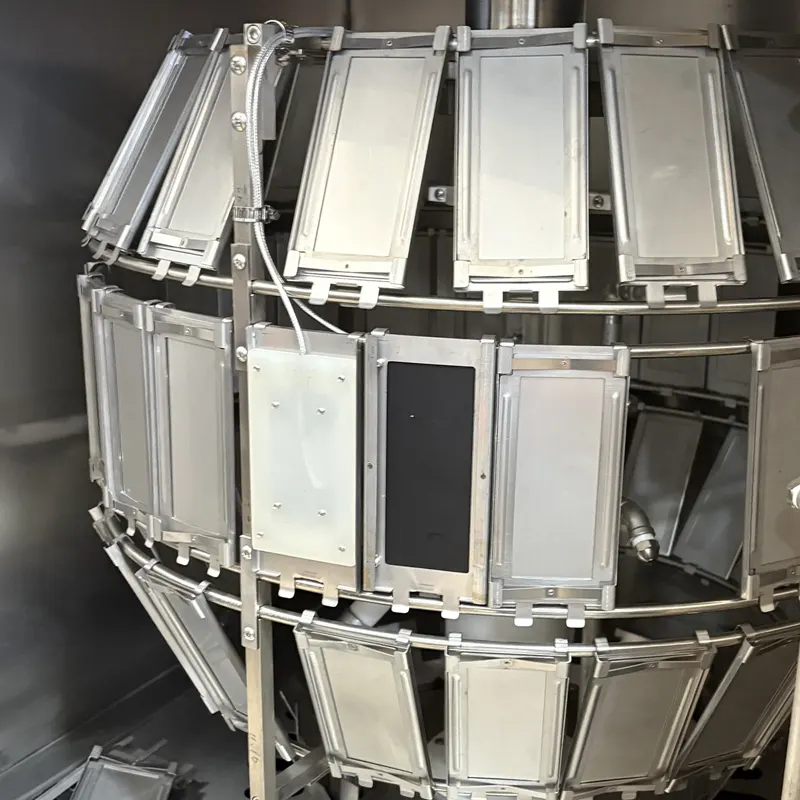








Xenon Weathering Built Around Your Optical Test Conditions
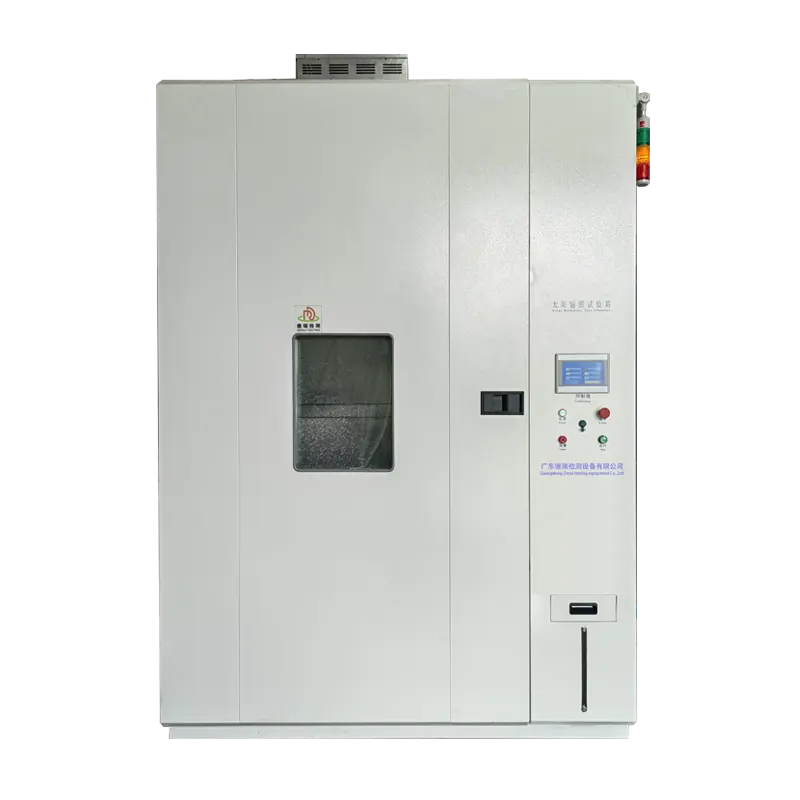
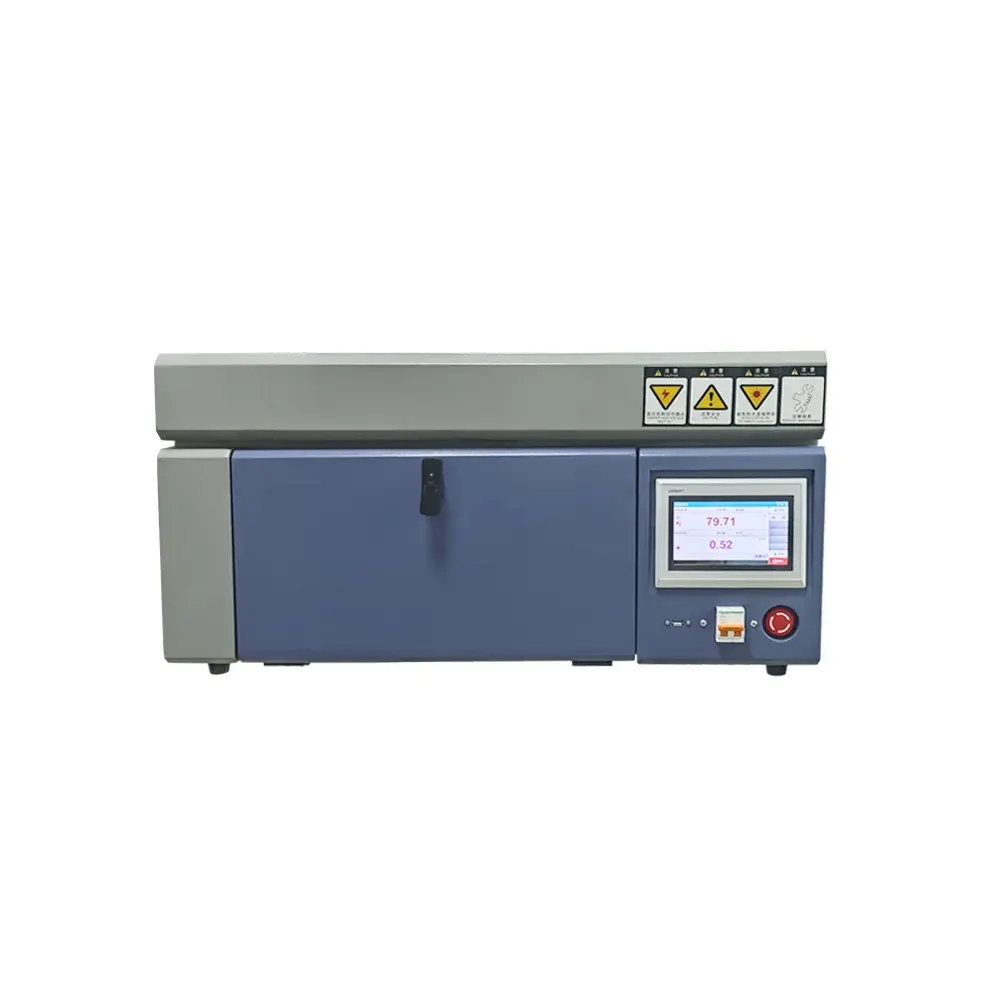
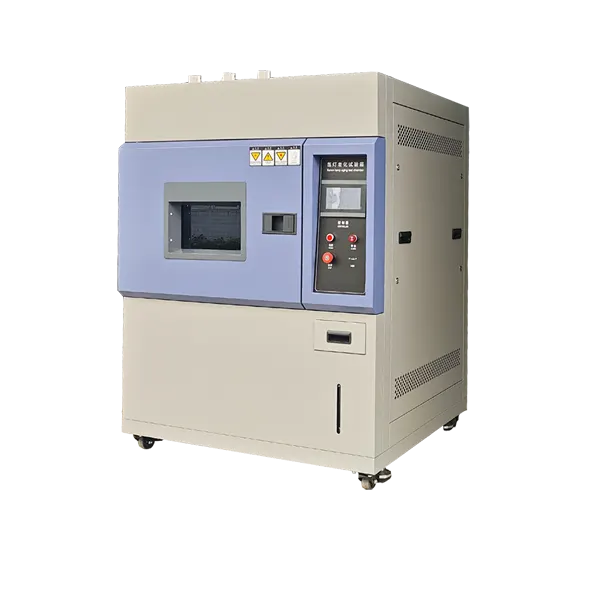
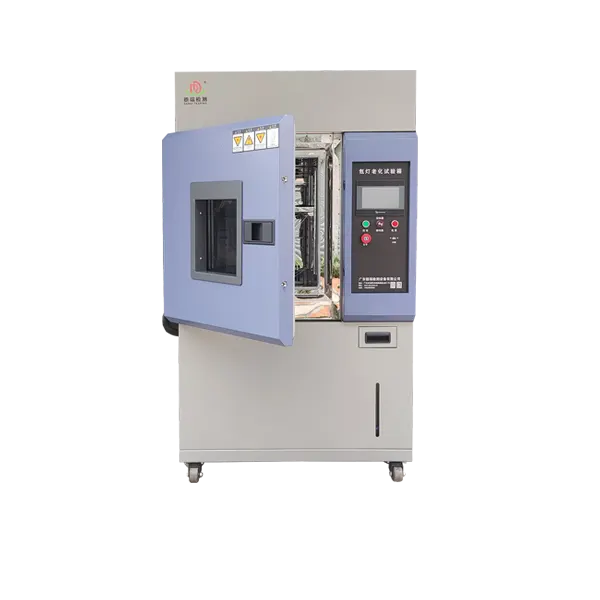
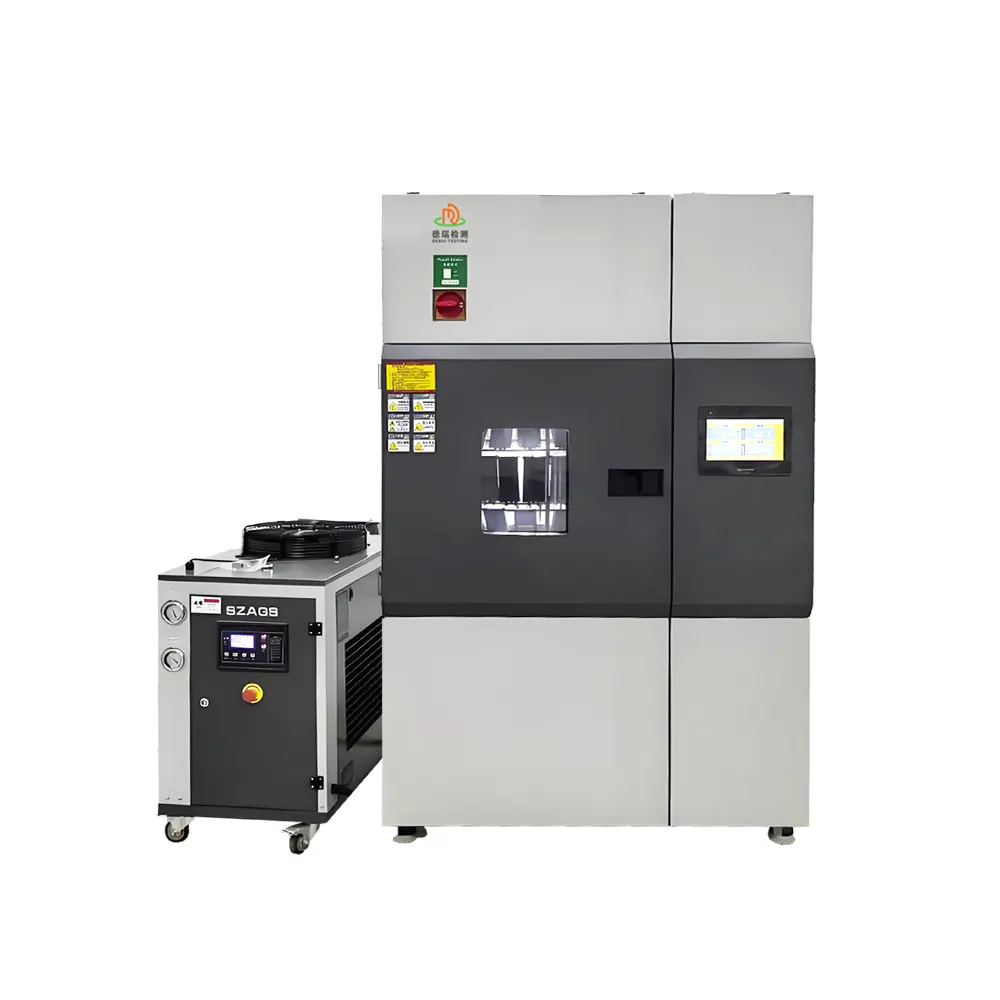
Define the spectrum and exposure your material program needs—not simply the lamp power. The DERUI DR-H301-K420S combines a 6.5 kW xenon lamp with configurable filters and closed-loop irradiance regulation for laboratory weathering and lightfastness evaluations.
For Laboratories Comparing Controlled-Irradiance Systems
Make the exposure specification the comparison
When qualifying a new xenon system or expanding laboratory capacity, compare the delivered exposure: filter spectrum, irradiance channel, usable specimen area, temperature, moisture sequence and records. A familiar instrument name or similar lamp rating is not enough to establish that two systems produce comparable results.
DR-H301-K420S is positioned around configurable spectral monitoring and closed-loop regulation. It can be reviewed for plastics, coatings, automotive materials, textiles and other light-sensitive materials when the selected configuration supports the required procedure.
For an established test program, provide the existing equipment specification and reference-material results. Agree acceptance and correlation checks before changing the apparatus used for customer-approved evaluations.
Select the Optical Channel and Filter Together
| Optical choice | What it describes | What to include in the test specification |
|---|---|---|
| 340 nm channel | Narrowband monitoring at a UV wavelength | Required spectral irradiance unit, setpoint, filter class, calibration and allowable control deviation. |
| 420 nm channel | Narrowband monitoring at a visible-light wavelength | Method-defined setpoint and filter combination; do not substitute a 340 nm numerical value. |
| 300–400 nm total UV | Integrated irradiance over a UV wavelength band | Band definition, W/m² setpoint and calibrated measurement response. |
| Daylight / window-glass filters | Different spectral conditions reaching the specimen | Required filter spectral classification, installed combination and identification in the report. |
Narrowband spectral irradiance is commonly specified in W/(m²·nm), while integrated band irradiance uses W/m². Specify the channel and its unit explicitly. Lamp power in kW and illuminance in lux are different quantities.
DR-H301-K420S Technical Configuration
Use the following configuration as the starting point for a cycle-specific proposal. Agree the actual filters, control channel, loaded conditions and acceptance tolerances with the order.
| Parâmetro | cURL Too many subrequests by single Worker invocation. To configure this limit, refer to https://developers.cloudflare.com/workers/wrangler/configuration/#limits |
|---|---|
| Modelo | DR-H301-K420S |
| Internal dimensions (D × W × H) | 750 × 750 × 750 mm |
| Overall dimensions (D × W × H) | 1050 × 1270 × 2100 mm |
| Xenon lamp | One lamp; 6.5 kW lamp rating |
| Lamp power supply | Independent electronic ignition power supply |
| Optical filters | Double-layer glass filter combinations for daylight or window-glass exposure; specify the spectral class for the method |
| Configured monitoring/control points | 340 nm, 420 nm and total UV over 300–400 nm; select the required channel in the configuration |
| Irradiance regulation | Sensor-feedback closed-loop regulation with PID control |
| Published total-UV range (300–400 nm) | 29–75 W/m² |
| Narrowband irradiance settings | 340 nm / 420 nm channels: rated setpoint range and spectral units to be specified in the configuration proposal |
| Chamber-air temperature | 38–80°C; published tolerance ±3°C |
| cURL Too many subrequests by single Worker invocation. To configure this limit, refer to https://developers.cloudflare.com/workers/wrangler/configuration/#limits | Determined by holder layout and the validated exposure area; internal volume is not the usable exposed area |
The 6.5 kW rating describes the lamp, not total equipment power. The 750 mm internal dimensions describe cabinet space, not validated specimen capacity or exposed surface area.
Build a Complete Weathering or Lightfastness Program
Outdoor material exposure
Define the daylight-filter condition, irradiance, air and surface temperatures, wetting sequence and inspection intervals. Evaluate the failure mechanism relevant to service use.
Behind-glass lightfastness
Specify the appropriate window-glass-filter condition and optical-control channel. Define backing, masking, reference specimens and the color-change evaluation method.
Controlled R&D comparisons
Expose candidate and reference materials under the same conditions. Fix specimen preparation, replicate count and measurement procedures before comparing formulations or suppliers.
Translate the method into operating requirements
| Requisito | What to define |
|---|---|
| Temperatura | Chamber-air and required black-panel/black-standard sensor, setpoints, tolerances and simultaneous operating conditions. |
| Moisture | RH and front/back spray requirements, light/dark timing, water quality and drainage; specify the supplied hardware for the required sequence. |
| Specimen layout | Drawings, exposed faces, holder orientation, quantity, lamp distance and shading limits. |
| Exposure and records | Duration or radiant exposure, inspection intervals, interruptions, sensor channels and required report/export format. |
ASTM G155 addresses operation of xenon-arc exposure apparatus. ISO 4892-2 addresses plastics exposure using xenon-arc lamps. The adopted edition and exact cycle determine the configuration; a standards list alone is not a compliance certificate.
The chamber creates the exposure. Color difference, gloss, cracking, adhesion or mechanical-property retention require the corresponding evaluation methods and instruments.
Acceptance Evidence for a New or Replacement System
| Acceptance check | Evidence to agree before delivery |
|---|---|
| Optical configuration | Filter identification, measurement wavelength/band, calibration traceability and checks at the required setpoint. |
| Loaded exposure area | Uniformity mapping over the declared specimen plane with the agreed holders and loading arrangement. |
| Climate and moisture program | Sensor type/location, achievable simultaneous conditions and actual execution of the ordered light/dark and wetting steps. |
| Program records | Time-based exposure history, interruption handling and included recording/export functions. |
| Reference-material comparison | An agreed endpoint and comparison procedure when replacing an instrument in an established laboratory program. |
| Safety and installation | Installed interlocks, overtemperature/utility alarms, shutdown checks and final power/water/ventilation requirements. |
For supplier comparisons, separate controlled setpoint error, repeatability, spatial uniformity and calibration uncertainty. A single percentage claim does not describe all four. Define the condition and verification method for each required tolerance.
Follow the supplied lamp, filter, water-system and sensor maintenance instructions. Record lamp use, inspect optical surfaces and calibrate the relevant channels. Do not infer another manufacturer’s component life or service procedure applies to this equipment.
Compare broader configurations in the xenon chamber category. For the defined three-lamp air-cooled cabinet, see DR-H301; for the larger water-cooled rotating-rack configuration, see DR-H301-2. For material evaluation planning, see paint and plastic xenon testing.
DR-H301-K420S Xenon Chamber FAQ
What distinguishes DR-H301-K420S from the other DERUI xenon chambers?
Its published configuration combines a single 6.5 kW xenon lamp, interchangeable optical-filter combinations and sensor-feedback irradiance regulation, with control-point configurations at 340 nm, 420 nm and total UV over 300–400 nm. Selection should focus on the required optical channel and complete exposure program.
Which irradiance channel should my laboratory select?
Use the channel specified by the adopted material method or customer procedure. A narrowband setting at 340 nm or 420 nm and a broadband total-UV setting describe different measurements. Their numerical setpoints are not interchangeable.
Does closed-loop control guarantee uniform exposure everywhere?
No. Feedback regulates the exposure measured by its sensor. Uniformity across the usable specimen plane is a separate acceptance check and must be assessed with the installed filters, specimen holders and agreed loaded layout.
Can this chamber replace an existing Q-Lab tester in an approved program?
A replacement decision needs a configuration and correlation review, not a brand-level equivalence claim. Provide the existing model and option package, filters, sensor channel, setpoints, moisture sequence and specimen layout. Define comparative checks and any customer approval required before changing an established test program.
Can I increase irradiance to obtain the same result faster?
Not automatically. Higher irradiance can change specimen temperature and degradation behavior. Use elevated exposure only when permitted by the method and supported by material-specific correlation; there is no universal conversion to outdoor service time.
What should be included in the quotation request?
Send the exact procedure and edition, optical filter, irradiance channel and setpoint, required temperature and moisture sequence, specimen drawings and quantity, inspection intervals, recording requirements and site utilities. Include the acceptance evidence needed by your laboratory or customer.
Request a Method-Matched Configuration Proposal
Send Your Optical Settings and Exposure Cycle
Ask DERUI to map the DR-H301-K420S configuration to your test program, specimen layout and acceptance requirements. For a replacement project, include the existing equipment model and option package.
Include: adopted procedure; filter and irradiance channel; setpoint and units; temperature/moisture sequence; specimen drawings and count; reference material; reporting needs; destination utilities and qualification requirements.